Dead Animal Removal in Port St. Lucie — Find the Source. Restore Your Home.
That smell you can’t explain almost always has a source: a carcass in the attic, a wall void, or a crawlspace you can’t reach. We trace the odor to the exact spot, remove the animal, and decontaminate the space so your home is livable again.
- Odor source
- Carcass located
- Recovered
Common Clues a Dead Animal May Be Nearby
You’ll rarely see the animal itself; you notice the signs. Here’s how to read each clue, what it likely means, and the right next move.
Persistent, foul odor
A strong rotting smell that won’t air out no matter how much you ventilate.
An animal is decomposing somewhere inside the structure.
Trace and remove the source before the odor saturates materials.
A sudden surge of flies
Clusters of flies or gnats indoors — often gathering at one window or vent.
Insects are breeding on a carcass hidden nearby.
Follow the fly activity back to the concealed source.
Staining on ceilings or walls
A yellow-brown greasy stain spreading across drywall or a ceiling.
Fluids are seeping from a carcass in the space above.
Locate and remove it before the stain and damage spread.
Sudden silence after activity
Scratching or scurrying in the attic or walls that abruptly stopped.
The animal may have died in place instead of moving on.
Inspect the last-active area right away.
Unusual insect presence
Beetles, maggots or ants appearing seemingly out of nowhere.
Scavenger insects are drawn to decomposing remains.
Track the trail to the carcass and treat the area.
A localized odor zone
The smell is strongest in one room, closet or around a single vent.
The source is concentrated in that wall or cavity.
Map the hot zone and open minimal access to it.
How We Locate Hidden Dead Animals
A smell can travel a long way from its source. We map the property zone by zone, reading odor strength, staining and insect activity, and pin the carcass to one exact spot before opening any access.
Fig. 02 — zone scan sequence (illustrative)
Attics
Grid-searched by scent, staining and fly activity — the most common resting place for larger animals.
Wall voids
Narrowed by odor intensity and surface temperature so access is opened in one precise spot.
Crawlspaces
Inspected at ground level where rodents and small animals commonly die out of sight.
Rooflines & soffits
Checked where animals enter and become trapped between the roof deck and the ceiling.
Garages & sheds
Searched behind stored items and equipment where carcasses and odor go unnoticed.
Utility & vent access
Traced through ductwork, chases and utility penetrations that carry odor between rooms.
Dead Animal Situations We Commonly Resolve
Different animals die in different places and leave different problems behind. These are three of the cases we’re called for most.
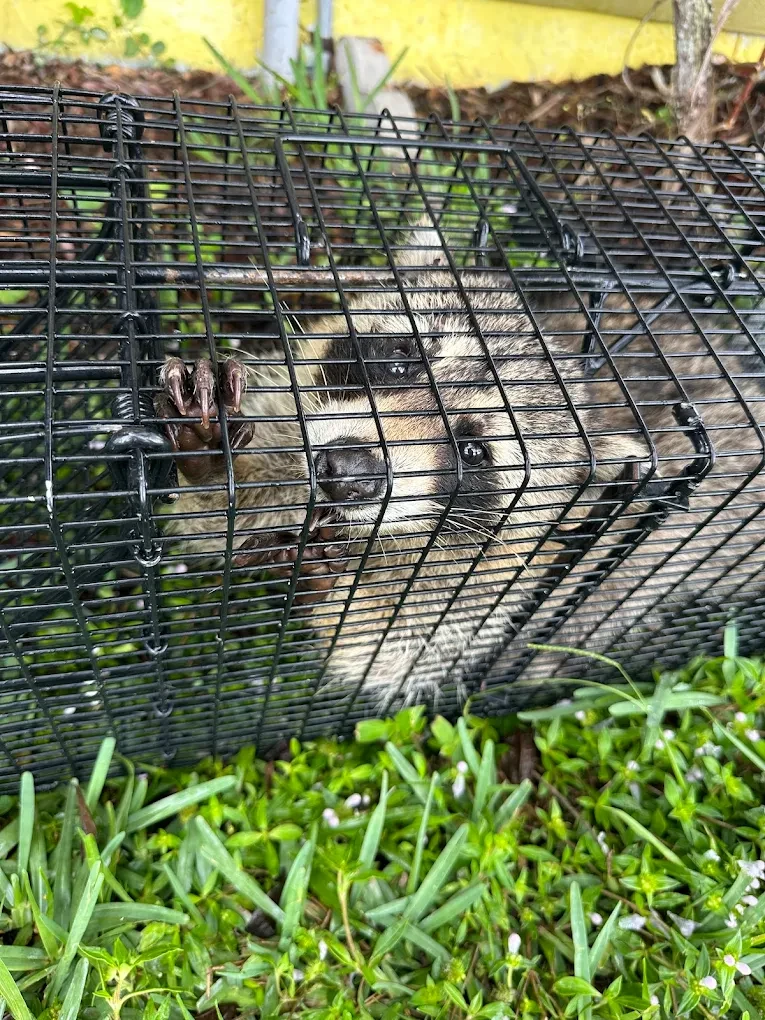
Dead Raccoon Removal
Status: ResolvedMost often in attics, soffits and wall chases where a large animal became trapped.
A big carcass means heavy odor, seeping fluids, stained ceilings and soiled insulation.
We locate the animal, fully extract it, remove contaminated material and sanitize the area.
Dead Rat Removal
Status: ResolvedTypically inside wall voids, behind cabinets or under appliances where rats nest and die.
A small carcass is hard to pinpoint, and the smell lingers until the exact spot is found.
We detect the precise location, open minimal access, remove it and treat the void.
Dead Squirrel Removal
Status: ResolvedCommonly in attics, chimneys and vent runs squirrels use to enter and get stuck.
Chewed insulation and wiring plus odor that pushes through vents into living spaces.
We recover the carcass, clear the debris and decontaminate the affected run.
Beyond Removal: Restoring a Healthy Environment
Taking the animal out is only the first step. Here’s how we get a contaminated space back to being a clean, protected part of the house.
Removal
The carcass is fully located and extracted — nothing left behind to keep the odor alive.
Contamination cleanup
Soiled insulation, nesting debris and affected material are removed from the space.
Sanitization
Surfaces are cleaned and disinfected to address bacteria and biological residue.
Odor neutralization
Odor is treated and neutralized at its source, not masked with fragrance.
Prevention
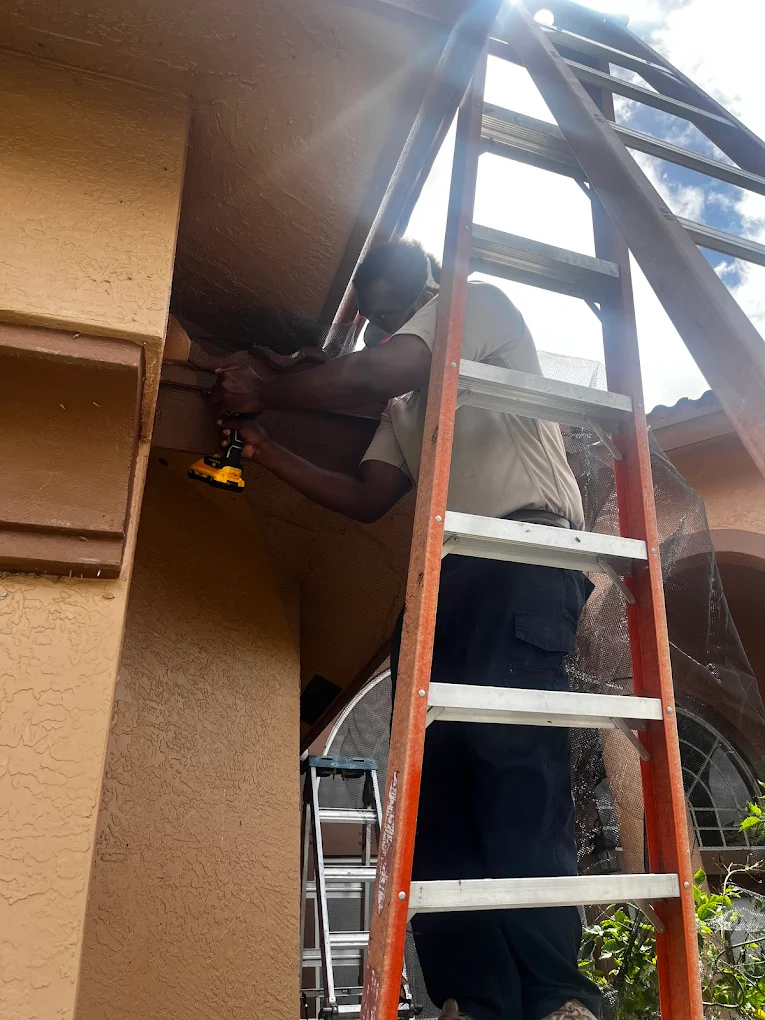
Entry points are identified and sealed so the same problem doesn’t return.
Problems Solved for Local Homeowners
Real Google reviews from Swift Wildlife customers across the Treasure Coast. It’s the same thorough approach we bring to every dead-animal call.
“These guys were awesome. After dealing with the issue, they completely disinfected my attic and made it feel clean and safe again. They showed up on time, explained everything in a way that actually made sense, and didn't cut corners.”
“Swift Wildlife Removal is the company to call if you have a rat infestation. After calling several places, they were the only ones who could come the same day. They came within the expected time and took care of the problem.”
“Listen… I don't scare easy, but when I tell you I saw a critter and immediately started questioning my entire life and safety… I mean it. In full panic mode, I called Swift Wildlife Removal, fully expecting to be put on hold while I fought for my life. But nope, they showed up SO fast it was like they teleported. 10/10 recommend.”
Why Odors Often Persist Without Professional Help
Removing the smell is harder than it looks, because the odor is rarely just the animal. Here’s what actually keeps a dead-animal odor alive.
Hidden contamination
The carcass is only part of the problem. Fluids, bacteria and biological residue soak into insulation, wood and drywall. That residue keeps producing odor and health risk long after the animal is gone, unless it’s specifically removed and treated.
Difficult access areas
Animals die in the hardest places to reach: deep wall voids, tight attic corners, chimney chases and under sub-floors. Without the right access and detection you simply can’t get to the source, so the smell persists no matter what you try.
Air-circulation issues
Your HVAC and natural airflow spread odor far from its origin, which is why the smell often seems to come from everywhere. It’s also why masking sprays fail: the source keeps releasing odor into moving air.
Insulation absorption
Insulation acts like a sponge for odor and fluids. Once it’s saturated it becomes a secondary source that keeps a room smelling long after cleanup. That’s why affected insulation usually has to come out rather than be deodorized.
Lingering odor sources
Decomposition leaves residue on every surface it touches. Neutralizing odor means treating those surfaces at the source, not covering them. Otherwise the smell comes back as soon as the fragrance fades or the humidity rises.
Secondary pest attraction
A carcass draws flies, beetles, ants and other scavengers, and can attract more wildlife. Leave remains in place and you get more than a smell; you get a second infestation that outlasts the original problem.
Dead Animal Removal FAQs
Straight answers on odor, carcass location, wall and attic removals, sanitization, response times and prevention.
01 How long will the odor last if a dead animal isn’t removed?
It depends on the animal’s size and the temperature, but decomposition odor can last from one to several weeks, and Florida’s heat and humidity make it stronger. The only way to end it is removing the carcass and treating the contaminated area. Airing the room out and masking sprays just buy time.
02 How do you find a dead animal you can’t see?
We combine a systematic inspection with the clues the property gives us: odor intensity, staining, fly and insect activity, and the animal’s likely travel paths. That narrows a hidden carcass down to a specific attic zone, wall cavity or crawlspace area. We confirm the exact spot before opening any access.
03 Can you remove a dead animal from inside a wall?
Yes. Once we pinpoint the location, we open the smallest access needed, usually a small, repairable cut. We remove the carcass and any nesting material, then treat the void for odor and bacteria. You end up with a complete removal and one small patch to repair, not a torn-up wall.
04 What’s involved with a dead animal in the attic?
Attics are the most common location. We locate and remove the animal, clear away soiled insulation and debris, and decontaminate the affected area. Because attic air and insulation carry odor down into living spaces, sanitizing and neutralizing the source is just as important as the removal itself.
05 Do you sanitize and clean up after removing the carcass?
Yes, removal is only the first step. We clean and disinfect the affected surfaces, remove contaminated material, and neutralize the odor at its source. That deals with the bacteria and biological residue left behind, which is what actually restores the space.
06 Is a dead animal in my home a health risk?
It can be. Decomposing animals harbor bacteria, and the flies, maggots and other pests they attract create their own sanitation concerns. Airborne odor and contaminated insulation can affect indoor air quality. Prompt, proper removal and decontamination is the safe way to protect your household.
07 How quickly can you respond to a dead animal problem?
We answer live and prioritize dead-animal calls because odor and contamination only get worse with time. Reach out and we’ll get a free inspection scheduled promptly, and tell you what you can do in the meantime to limit the smell and keep the area contained.
08 Will you find where the animal got in?
Yes. Part of every inspection is finding the entry point the animal used, because a carcass usually means there’s an active or recent wildlife issue. Sealing that access is what stops the next animal, and the next dead-animal problem, from happening.
09 How do I keep this from happening again?
Prevention comes down to sealing the gaps and entry points wildlife use and addressing what attracted them. After removal we point out the vulnerabilities on your property and can seal them, so animals aren’t getting into the walls, attic or crawlspace where they die out of sight.
10 Do you handle the cleanup, or just the removal?
Both. We handle the whole problem: locating and removing the carcass, cleaning and decontaminating the area, neutralizing the odor, and finding the entry point behind it. You’re not left dealing with the aftermath of a bare removal.
Ready to Eliminate the Odor and Move Forward?
Don’t wait for the smell to spread. Call us or book a free inspection and we’ll take it from here. No forms.
Open 24 hours · 7 days a week · 24/7 emergency line