
Bee & Wasp Removal in Port St. Lucie — Safe for Families & Pollinators
Found a hive in a wall or a nest under the eaves? We identify the colony first, because the right plan depends entirely on what you have. Then we remove bees, wasps, hornets and yellow jackets safely across the Treasure Coast, and when it’s honey bees, we relocate the colony alive whenever we can.
- Pollinator-first approach
- Colony & hive assessment
- Family & property safety
Relocation
Bee, Wasp, Hornet, or Yellow Jacket?
They’re easy to confuse — and the right response is completely different for each. Tap a specimen to compare appearance, nests, behavior, risk and the recommended action.
Honey Bee
The protected pollinator
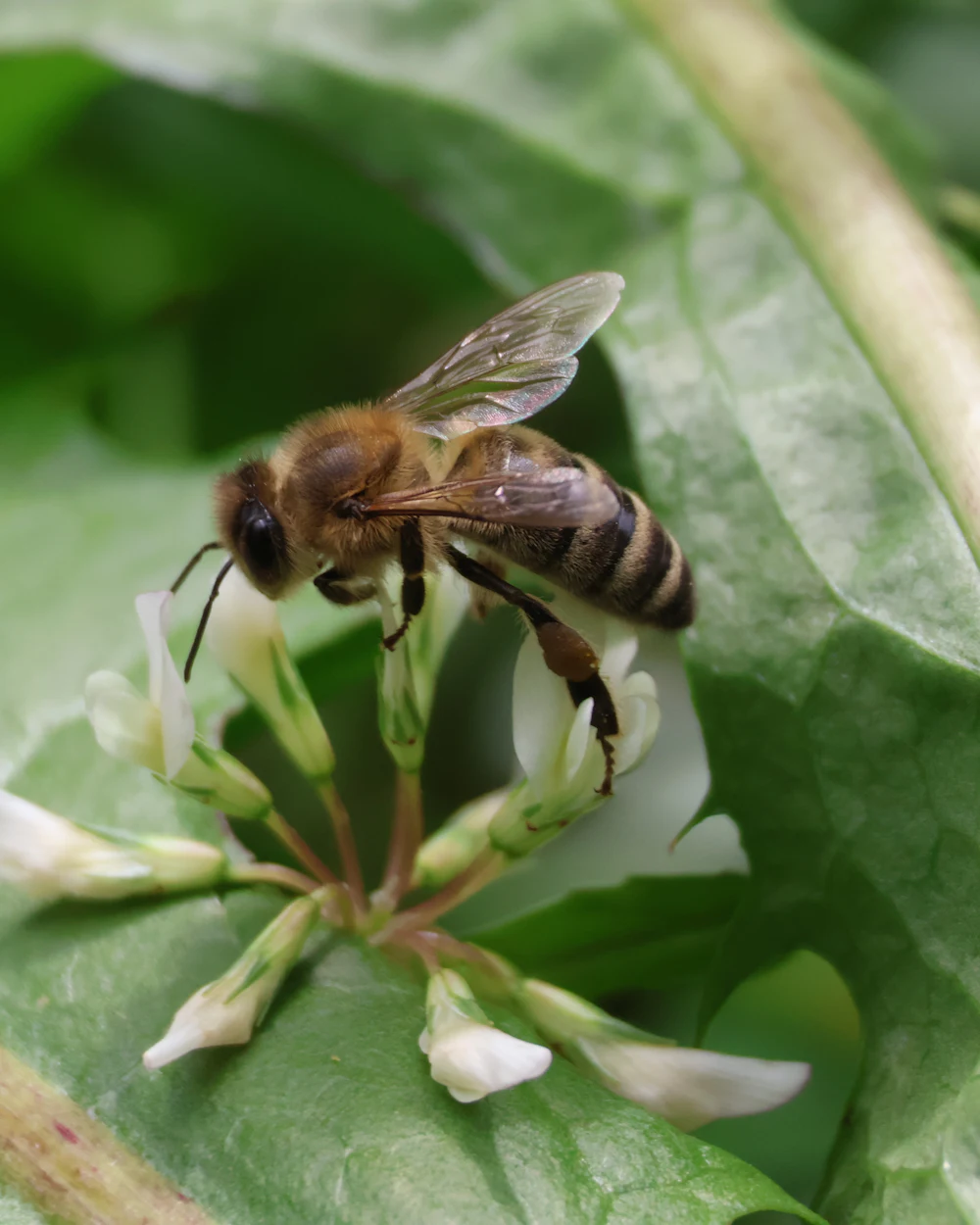
Fuzzy, golden-amber and black body, rounded and hairy — built to carry pollen. Slower, heavier flight.
Large wax combs inside wall voids, soffits, hollow trees or attics — often revealed by a warm spot or honey seepage.
Generally docile away from the hive; stings once and dies, so they only defend when the colony feels threatened.
Whenever possible, live relocation rather than extermination — honey bees are vital pollinators worth protecting.
Paper Wasp
The umbrella-nest builder
Slender, smooth and shiny with a narrow "waist," longer dangling legs and brown-to-reddish coloring.
Open, upside-down "umbrella" combs under eaves, railings, door frames, grills and play sets.
Territorial near the nest and able to sting repeatedly, but usually leaves you alone unless disturbed.
Careful nest removal and treatment of the attachment point so the colony can’t simply rebuild.
Hornet
The aggressive defender
Larger and bulkier than wasps, with bold black-and-white or brown banding and a heavy, loud flight.
Big enclosed, papery football-shaped nests hanging in trees, shrubs, or tucked under eaves and overhangs.
Highly defensive of the nest, stings repeatedly and can rally the colony — disturbances escalate fast.
Professional removal only. Never approach or spray a hornet nest yourself; a disturbed colony attacks together.
Yellow Jacket
The hidden ground colony
Bright yellow-and-black, smooth and fast — often mistaken for bees but shinier and more angular.
Hidden underground burrows, wall cavities and dense shrubs — colonies can number in the thousands by late summer.
Aggressive scavengers drawn to food and drinks; sting repeatedly and swarm quickly when a nest is disturbed.
Locate and treat the concealed colony fully — a partial job leaves an angry, active nest behind.
When Bee & Wasp Activity Peaks
Stinging-insect pressure builds through the year, and Florida’s mild climate stretches the season longer than most states get. Here’s how it usually plays out, from the first small nests to peak activity.
Spring
Colony establishment
Overwintered queens emerge and start new nests. Small, easy-to-miss combs appear under eaves and in wall voids — the ideal time to catch a colony before it grows.
Summer
Population growth
Warm Florida weather drives rapid colony expansion. Nests enlarge quickly and worker numbers climb, so activity around the home becomes far more noticeable.
Late Summer
Increased encounters
Peak season. Colonies are at their largest and most defensive, and yellow jackets turn to scavenging — this is when most stings and backyard run-ins happen.
Fall
Nest expansion & pressure
Colonies push to raise new queens and can get more aggressive as food thins. Florida’s mild fall keeps activity going well past when northern nests die off.
Specialized Removal Services
Every stinging insect calls for its own strategy. Three core services cover the situations Treasure Coast homeowners run into most.
Honey Bee Removal
Get a Free InspectionSteady bee traffic at one point in a wall or soffit, a warm spot on the wall, or honey/dark staining bleeding through drywall.
Established combs hold thousands of bees and heavy honey; disturbing them risks defensive stinging and, left behind, attracts pests and structural damage.
We locate the colony, assess the comb, and prioritize live relocation of the bees where it’s feasible — then address the cavity so it isn’t recolonized.
Wasp Nest Removal
Book Wasp RemovalUmbrella-shaped combs under eaves, railings or grills, and wasps repeatedly patrolling doorways, patios and play areas.
Paper wasps and hornets sting repeatedly and defend the nest as a group — knocking one down without treatment invites an aggressive response.
We treat and remove the nest safely, then address the attachment point and nearby harborage so the same spot doesn’t get rebuilt.
Yellow Jacket Removal
Emergency Wildlife RemovalA steady stream of insects vanishing into a ground hole, wall gap or shrub — often thousands strong by late summer.
Concealed colonies are easy to trigger by accident with a mower or foot traffic, and yellow jackets swarm and sting aggressively when disturbed.
We pinpoint the hidden nest, treat the full colony at the source, and confirm it’s neutralized so activity doesn’t simply resume.
Where Colonies and Nests Commonly Develop
Stinging insects seek out sheltered, undisturbed spots — many of them right around your home. These are the seven zones we check first.
Fig. 04 — representative nesting zones (illustrative)
Rooflines & eaves
Sheltered overhangs and fascia gaps give wasps a dry, protected spot to hang umbrella nests.
Attics & soffits
Warm, quiet voids behind soffit vents are prime real estate for honey-bee combs.
Wall cavities
Small exterior gaps lead into hollow walls where colonies can grow unseen for months.
Sheds & outbuildings
Rarely-disturbed corners and rafters in sheds attract paper wasps and hornets.
Trees & shrubs
Dense canopy and branches conceal hornet nests and shelter foraging yellow jackets.
Decks & railings
Undersides of decks, railings and steps are classic paper-wasp nesting points near people.
Utility boxes & meters
Electrical boxes, meter housings and irrigation valves offer enclosed, undisturbed nooks.
Resolved Safely and Professionally
Real reviews from Swift Wildlife customers across the Treasure Coast — the same safe, humane, professional approach we bring to every bee and wasp call.
“Excellent immediate professional response. Outstanding customer service caring and intelligent removal plan that allows for humane removal of uninvited wildlife.”
“Had a great experience with them. Very professional and very knowledgeable answering all my questions! Definitely would recommend!”
“Ella and Issac are absolutely wonderful. Polite, courteous, reasonable and very professional. They are very knowledgeable and explained everything they were doing. A great team!! I would highly recommend this company.”
Why Professional Identification Matters
Getting the species right is the difference between saving pollinators and getting hurt. Open each module for the short version of why.
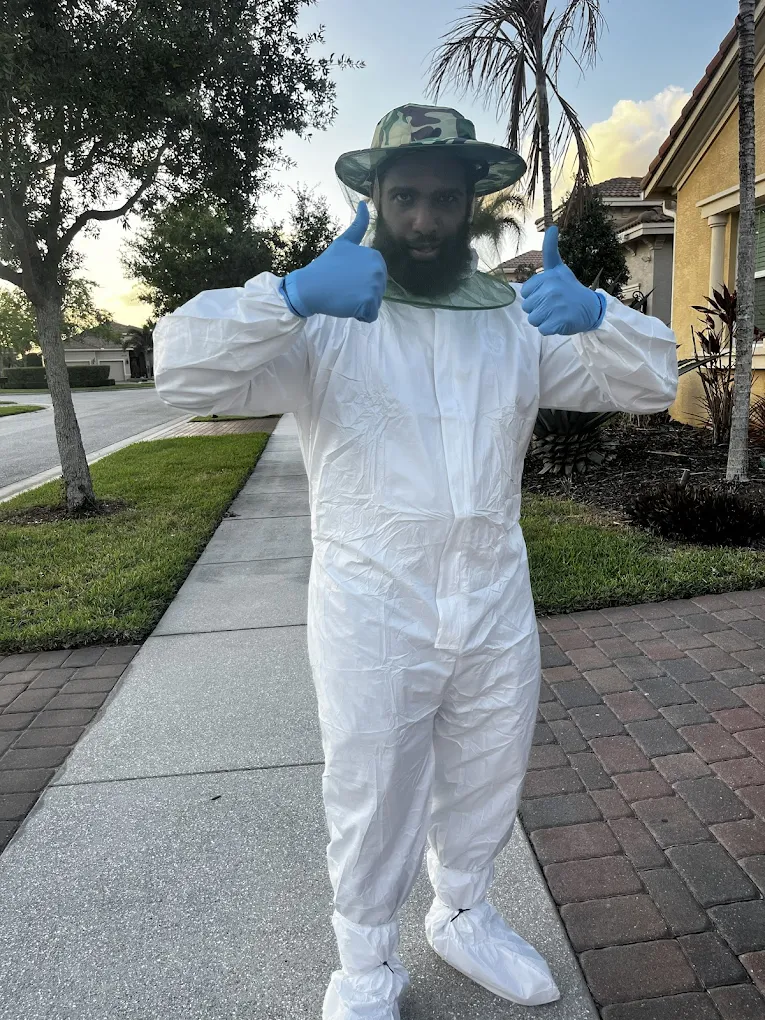 Swift crew · real removal
Module 01 Misidentification risks
Bees, wasps, hornets and yellow jackets call for very different handling. Treat a protected honey-bee colony like a wasp nest and you destroy pollinators for nothing. Mistake aggressive yellow jackets for docile bees and someone gets badly stung. Identification comes first, every time.
Module 02 Protected pollinators
Honey bees pollinate a huge share of Florida’s crops and gardens, and their decline is a real environmental concern. So whenever a colony can be safely relocated instead of exterminated, that’s what we do.
Module 03 The danger of DIY removal
Store-bought sprays rarely reach a full colony and often just provoke it. Ladders, roof edges and enclosed nests turn a sting response into a fall or a swarm. Allergic reactions can be life-threatening. Established nests are a job for trained, equipped removal.
Module 04 Hidden colony growth
A colony inside a wall or underground can grow for weeks before you notice more than a few insects. By the time the activity is obvious, the nest may be far bigger than it looks from outside. An early inspection catches it small.
Module 05 Nest expansion risks
Left alone, nests keep expanding through summer and into Florida’s mild fall. Bigger colonies mean more defensive behavior, more stings and, with honey bees, heavy combs and honey that can damage drywall, insulation and ceilings.
Module 06 Structural concerns
Abandoned combs and honey attract rodents, ants and mold, and can stain and rot building materials. Removing the nest is half the job. Sealing and treating the cavity is the other half, and it’s what keeps the same spot from being colonized again.
Bee & Wasp Removal FAQs
Straight answers on relocation, hive removal, wasps, yellow jackets, safety and prevention.
Do you relocate honey bees instead of killing them?
Whenever it’s safely feasible, yes. Honey bees are important pollinators, so our goal is live relocation of the colony rather than extermination. Feasibility depends on where the colony is, how established it is and how accessible the comb is. We assess all of that during the free inspection and tell you straight what we recommend.
How do you remove a bee hive inside a wall or soffit?
First we locate the colony and assess the comb, then we open access to the cavity, remove the bees and comb, and address the honey and residue left behind. The final step matters most: sealing and treating the void so odor and old comb don’t attract pests or a new swarm back to the same spot.
What’s the difference between a bee, wasp, hornet and yellow jacket?
Bees are fuzzy, docile pollinators that build wax combs. Paper wasps are slender with open "umbrella" nests under eaves. Hornets are larger and build enclosed papery nests in trees and overhangs. Yellow jackets are bright, aggressive scavengers that nest underground or in cavities. They look and behave differently — which is why correct identification changes the whole approach.
Are yellow jackets more dangerous than other stinging insects?
They’re among the most problematic because their nests are hidden, their colonies can reach the thousands, and they sting repeatedly and swarm aggressively when disturbed. It’s easy to trigger a ground nest by accident with a mower or foot traffic, so professional treatment of the full concealed colony is the safe route.
Do I really need a professional inspection?
For anything beyond a single small nest you can clearly identify, yes. An inspection confirms the species and finds the true nest location, which is often not where you see the activity. It also gauges the size and risk before anyone disturbs the colony. That’s what makes the removal complete instead of a partial job that comes back.
Is bee and wasp removal safe around children and pets?
Protecting your family is the point. We work to remove the colony safely and reduce the ongoing sting risk to kids and pets who share the yard. We’ll also walk you through any short precautions to take during and right after the work so everyone stays clear of the area while it’s handled.
When is stinging-insect activity worst in Florida?
Activity climbs through spring, grows in summer and peaks in late summer, when colonies are largest and most defensive and yellow jackets turn to scavenging. Florida’s mild fall keeps nests active longer than in colder states, so encounters can continue well into the season.
Can you prevent bees and wasps from coming back?
Removal and prevention go together. After the nest is handled we address the attachment points and entry cavities that made your property attractive, and point out the eaves, voids and yard conditions worth watching. The same spots are far less likely to be re-nested that way.
How fast can you respond to an active nest?
We answer live and prioritize active, high-risk situations — a nest by a doorway, an allergic family member, or an aggressive colony near where people gather. Call us and we’ll advise what to do in the meantime and get an inspection scheduled promptly. For urgent cases, see our emergency wildlife service.
Will removing a nest protect my property from damage?
Yes, especially with honey bees. Left in place, combs and honey can stain and rot drywall and insulation and draw in rodents, ants and mold. Removing the colony and properly treating and sealing the cavity protects both the people around it and the structure itself.

Protect Your Property From Stinging Insect Activity
Catch colonies and nests before late-summer activity peaks. Call us or book a free inspection; there’s no form to fill out.
Open 24 hours · 7 days a week · 24/7 emergency line