
01
Food sources
Iguanas graze on flowers, fruit and tender ornamentals. Choosing less-palatable plantings and clearing fallen fruit removes a standing invitation.
If you live on the water here, you know the signs: burrows opening up behind the seawall, droppings on the pool deck, ornamental beds chewed down overnight. Iguanas are invasive in Florida, and we remove them humanely. Then we help you protect the seawall, deck and landscaping so the damage actually stops.
Waterfront, protected.
Seawall · deck · landscape
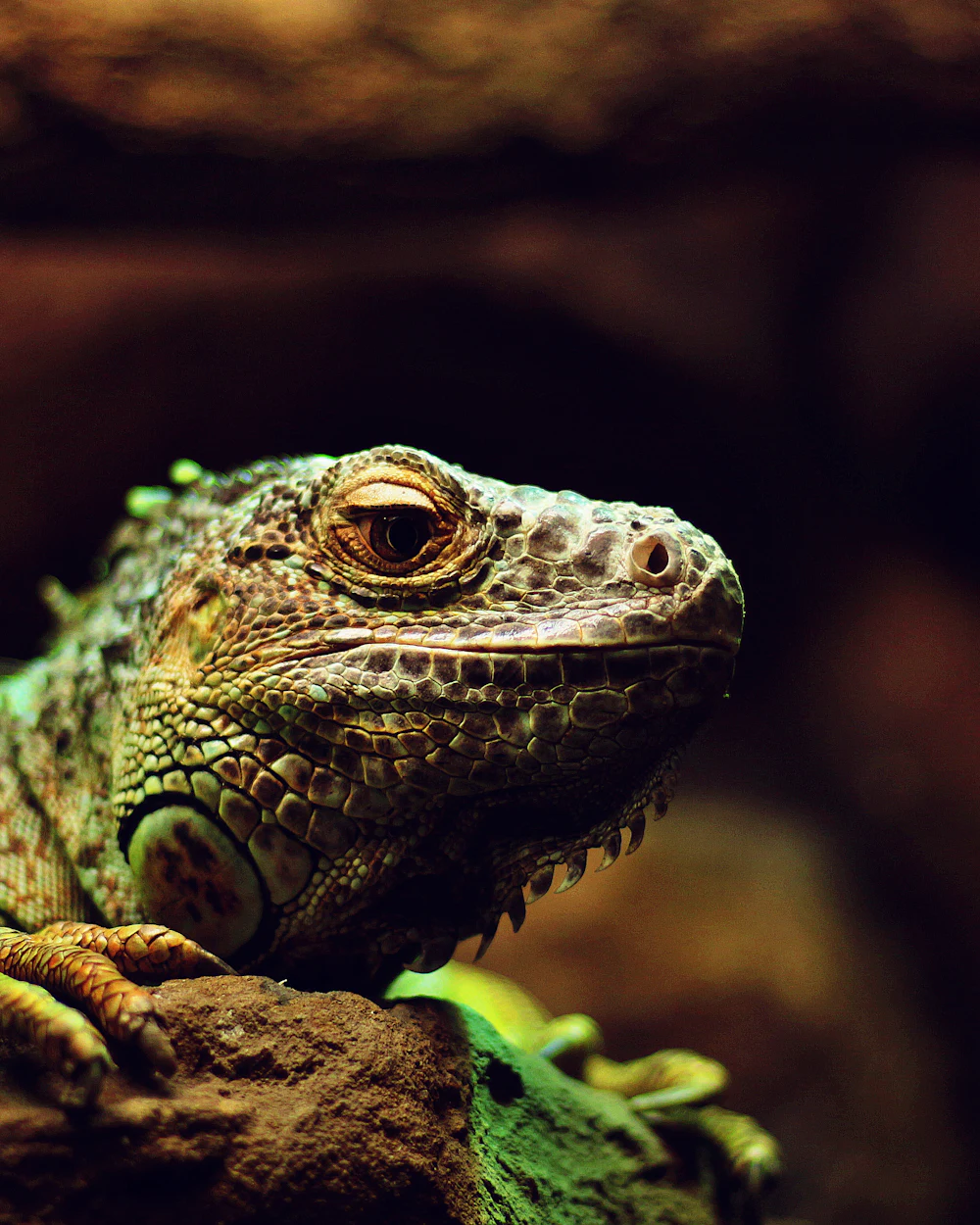
Green iguanas aren’t part of Florida’s natural landscape. They’re an invasive species from Central and South America, and Florida happens to suit them perfectly. Warm weather, endless waterways and few natural predators have let their numbers climb, especially along the coast.
For property owners, that means real, recurring damage. Iguanas burrow into seawalls and canal banks, undermine pool decks, strip ornamental landscaping and foul docks and patios. And because the surrounding water keeps supplying new arrivals, the problem tends to return unless it’s actively managed. That’s the difference between chasing sightings and protecting a property.
The green iguana comes from Central and South America. It’s an invasive species here, not part of the natural ecosystem.
Florida’s warm weather and endless waterways suit iguanas perfectly. There’s no cold season here to knock the population back.
A female can lay dozens of eggs at a time, and almost nothing here preys on them. A few iguanas becomes a lot of iguanas fast.
Canals, seawalls and lakefronts are ideal habitat. That’s why waterfront and coastal properties see the problem first.
Iguana damage concentrates where water, warmth and soft soil meet. These are the six areas our inspections examine first.
Iguanas burrow into the soft soil behind seawalls to nest and shelter, out of sight.
Burrow openings along the wall, soil voids and slumping ground.
Erosion behind the wall that can crack and eventually collapse it. It’s the costliest iguana damage we see.
The loose fill behind retaining walls is just as easy to tunnel into.
Holes at the base, settling soil and bulging or leaning sections.
Undermined footing and structural failure over time.
Warm decks are prime basking spots, and the soil beneath is easy to tunnel.
Droppings across the deck, burrows at the edges and hollow-sounding pavers.
Cracked, sunken deck sections and persistent staining.
Ornamental plants, shrubs and flowers are a favorite iguana food.
Chewed leaves, stripped flowers and grazed foliage.
Destroyed plantings and repeated regrowth losses.
Soft, planted soil offers both an easy meal and easy digging.
Uprooted plants, droppings and freshly disturbed beds.
Ruined beds and ongoing nesting activity.
Docks and seawall caps are ideal basking spots and access points to the water.
Droppings on docks, basking iguanas and burrows at the waterline.
Fouled surfaces and eroded dock and seawall footings.
One visit rarely fixes an iguana problem for good. We work through five phases so the property stays protected after we leave.
A full assessment of the property’s waterfront, landscape and structures to find burrows, basking sites and existing damage.
We map where the iguanas travel, feed and nest, so scattered sightings turn into a clear picture of their routine.
A targeted, humane removal plan built around that behavior and sized to the property and the population.
Barriers and hardening for seawalls, decks and gardens, so the next iguana off the canal can’t just take over the old burrow.
Plain advice on plantings, banks and habitat, so the property stops inviting new iguanas in.
Three services that work together, from stopping the active damage to keeping iguanas off the property for good.
An established or growing iguana population damaging the landscape, decks and seawalls.
Humane, targeted removal informed by activity mapping across the whole property.
Fewer iguanas, less damage, and a plan to keep it that way.
The seawall voids, deck edges and garden access points iguanas exploit again and again.
Barriers and hardening engineered for waterfront and coastal conditions.
The structural protection that removal alone can’t provide.
Wanting invasive-species control handled responsibly and humanely.
Humane methods applied within Florida’s invasive-species guidelines.
Iguana control that follows Florida’s invasive-species rules and stays humane.
Iguana pressure looks different depending on the property. Here’s what we tend to find at each kind.
Canal- and lakefront homes see the heaviest pressure — seawall burrowing, dock basking and constant access straight from the water.
Ponds, manicured landscaping and open banks make golf-community homes a magnet for feeding and nesting iguanas.
Inland neighborhoods deal with landscape and garden damage as populations spread outward from nearby waterways.
Shared seawalls, common landscaping and appearance standards make coordinated, community-scale management essential.
Retention ponds, ornamental landscaping and hardscape face both damage and liability from large, visible populations.
“Amazing work! Issac and Ella came over immediately and removed the lizard from my enclosed patio quickly, efficiently and with care. We recommend using this company.”
“Excellent immediate professional response. Outstanding customer service, caring and an intelligent plan that allows for the humane removal of uninvited wildlife.”
“Absolutely outstanding service! Professional, quick and incredibly knowledgeable. They safely removed the problem from my property and made sure everything was secure afterward.”
You can’t move the water, but you can make a property far less inviting. These are the changes that quietly cut down iguana pressure.
Iguanas graze on flowers, fruit and tender ornamentals. Choosing less-palatable plantings and clearing fallen fruit removes a standing invitation.
Dense, overgrown landscaping offers both cover and food. Thoughtful trimming and plant selection make a property far less hospitable.
Canals, ponds and seawalls are the highway. You can’t remove the water, but managing the banks and basking spots reduces the appeal.
Filling old burrows, hardening seawall soil and closing deck voids takes away the shelter iguanas depend on to stay.
Iguana pressure is constant near water, so periodic checks catch new burrows and basking activity before they become an infestation.
A plan built for your specific property ties it all together. That’s the difference between a one-time removal and control that holds.
Green iguanas are invasive in Florida. Swift Wildlife removes iguanas; we do not relocate them.
Straight answers on invasive iguanas, seawall damage, pool areas, humane removal and long-term management.
Yes. The green iguana is native to Central and South America, not Florida, and the state classifies it as invasive. That means iguanas aren’t protected wildlife, so they can be humanely removed from private property year-round. Given what they do to seawalls, landscaping and structures, the state encourages responsible removal.
More than most people realize. The biggest concern is burrowing — iguanas dig into the soil behind seawalls, retaining walls and beneath pool decks, causing erosion that can crack and collapse expensive structures. They also strip ornamental landscaping, foul decks and docks with droppings, and dig up garden beds. On waterfront property especially, the structural damage adds up fast.
Water is their highway and their habitat. Canals, seawalls and lakefronts give iguanas easy travel, warm basking spots and soft soil to burrow into, so waterfront and canal-front homes take the heaviest pressure. It’s also why the problem recurs — the water provides an endless supply of new iguanas moving in from nearby banks.
No. Green iguanas are invasive in Florida, and Swift does not relocate them. Our service is iguana removal, not capture and release at another location.
Yes. Even though iguanas are invasive, we handle removal responsibly and humanely, within Florida’s invasive-species guidelines. We base the removal on how the animals actually use your property, then pair it with exclusion and prevention so the results hold. Otherwise you’re back where you started in a season.
That’s one of the most important things we do. Beyond removing the animals, we address the burrows and harden the vulnerable soil and access points behind seawalls, retaining walls and decks. Seawall repairs are expensive, so protecting the structure matters as much as clearing the iguanas.
On waterfront property, new iguanas can always move in from nearby banks and canals, so a one-time removal rarely holds on its own. Lasting control pairs removal with exclusion and habitat work: closing burrows, hardening structures and cutting back what attracts them. Periodic checks catch new activity early.
We go after the two things that draw them there: warm basking surfaces and easy shelter. We remove the resident iguanas, close the burrows and voids beneath the deck, and suggest deterrents and landscaping changes that make the area less appealing. The droppings and damage stop with them.
We walk the whole property the way an iguana uses it: the waterfront, seawall, docks, pool area, landscaping and any burrows. We map where they travel, feed and nest, then build a removal and protection plan sized to your property and population, whether it’s a single home or an HOA-scale community. The inspection itself is free.
Yes. Shared seawalls, common landscaping, retention ponds and appearance standards make community- and commercial-scale iguana management its own challenge. We can assess and plan for larger properties and coordinated areas, protecting shared structures and landscaping while keeping the approach humane and effective.
We answer live and schedule inspections quickly, because seawall burrowing only gets worse the longer it runs. Call or book a free inspection and we’ll get you on the schedule. For active or growing populations, we prioritize getting a specialist on site fast.
Yes. Iguanas and snakes are both reptile work, and we handle both across the Treasure Coast. If you’re not sure what you’re looking at — a native black racer, a young iguana, or something else basking on the seawall — describe where it is when you call. Identifying it correctly decides what’s legal and what happens next.

Seawall erosion and deck damage only grow with time. Call now — there’s no form to fill out.
Open 24 hours · 7 days a week · 24/7 emergency line
Dedicated local pages for every community we serve — same humane methods, licensed & insured, same-day response.