
Mouse Control in Port St. Lucie That Stops Small Problems Becoming Infestations
Mice are quiet, fast-breeding and hard to eliminate once they settle in. We read the signs — droppings, attic noise, travel paths — locate the activity, remove it and seal the way in, so a couple of mice never becomes a colony.
- Activity tracking
- Entry-path detection
- Long-term prevention
How Mouse Problems Grow Inside Homes
A mouse problem rarely stays small. Because mice breed so quickly, what starts as one curious visitor can compound into a colony — this is how that escalation unfolds.
Discovery
A few droppings or a faint scratching after dark.
A single mouse has found a way in and is scouting your home.
Nesting
Shredded paper, insulation or fabric tucked into a corner.
A nest means it’s staying — and signalling others to follow.
Reproduction
Little changes at first — until activity suddenly climbs.
One female can produce dozens of offspring in a single year.
Food Access
Chewed packaging, disturbed crumbs and greasy trails appear.
A reliable food source locks the growing colony in place.
Population Growth
Noises in multiple rooms and droppings almost everywhere.
Numbers compound fast once food and shelter are both secured.
Property Damage
Gnawed wiring, ruined insulation and spreading contamination.
Fire risk, structural damage and real health hazards set in.
Where Mice Commonly Travel and Hide
Mice follow warmth, food and cover. These are the six zones our inspections flag most — mapped by how much activity we typically find in each.
Attics
Warm, quiet and full of insulation to nest in — and rarely disturbed.
Droppings on insulation, overhead scratching at night.
Inspection, cleanup and sealing of roofline entry points.
Kitchens
Constant access to food and water in one convenient place.
Gnawed packaging and droppings near appliances.
Exclusion of gaps plus sanitation guidance.
Wall voids
Hidden highways between floors — safe from view and predators.
Scratching inside walls and grease marks at openings.
Locate the runs and seal the penetrations.
Garages
Open doors, clutter and stored pet food make easy pickings.
Nests in boxes and chew marks on stored items.
Seal gaps, declutter guidance and monitoring.
Utility rooms
Warmth from appliances and pipe penetrations to slip through.
Droppings near the water heater or HVAC, gnawed lines.
Seal the utility penetrations mice travel through.
Crawlspaces
Dark, undisturbed ground-level access into the structure.
Nests, droppings and entry around broken vents.
Reinforce vents and seal the access points.
Solutions for Common Mouse Problems
Three of the mouse situations we resolve most often — the symptoms homeowners report, the risks behind them, and how we fix each for good.
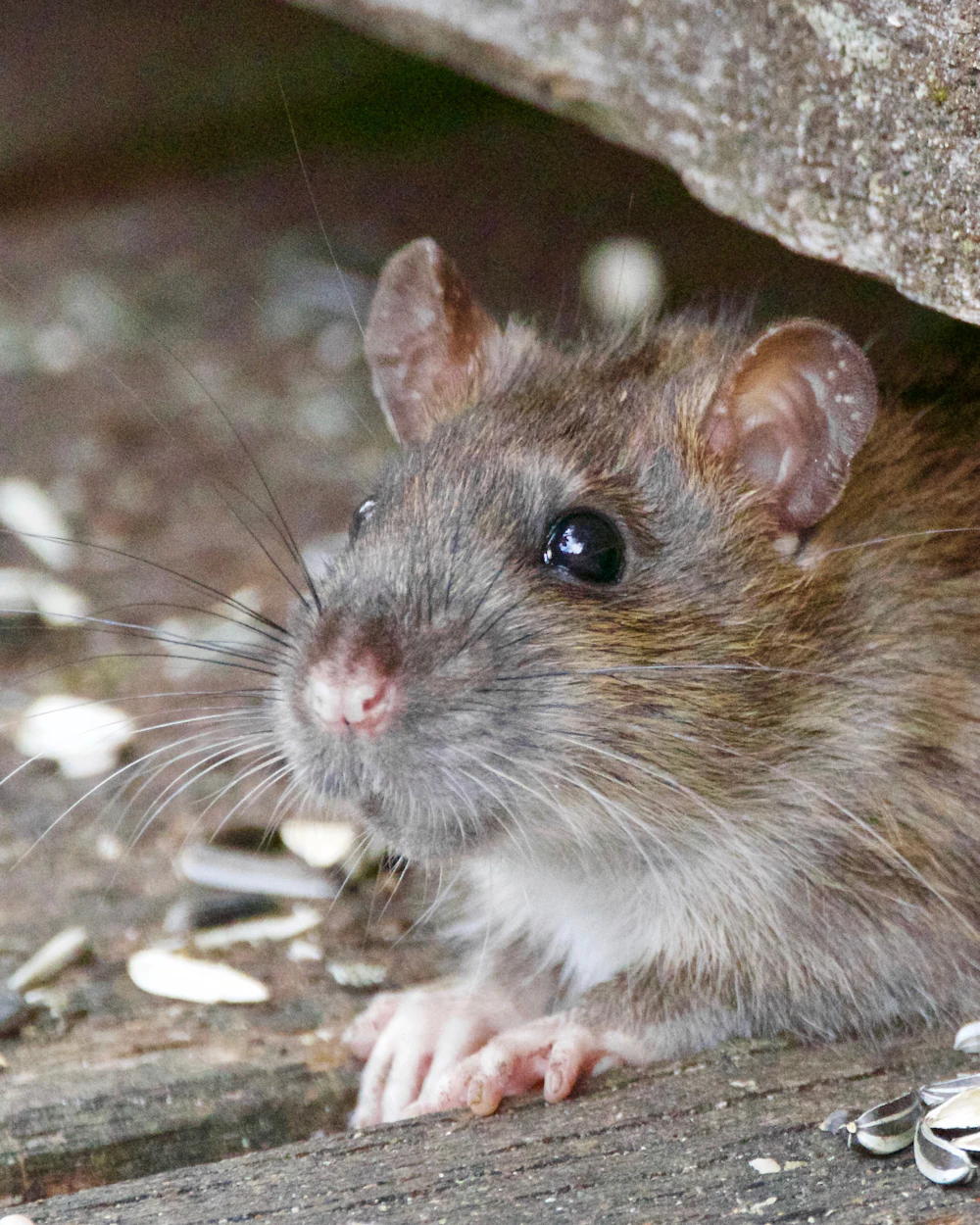
Finding the activity — then closing the door behind it.
Overhead scratching, droppings across the insulation and a building musty odor.
Chewed wiring and a genuine fire risk, soiled insulation and a colony spreading through the attic.
Attic inspection, removal, contamination cleanup and sealing of the roofline entries that let them in.
Mice returning weeks after traps or DIY, and predictable seasonal re-entry.
A never-ending cycle of activity, ongoing contamination and repeat call-outs.
Full entry-point sealing and home-hardening so mice can’t get back in at all.
Accumulated droppings, a urine odor and soiled insulation after an infestation.
Airborne contaminants, disease exposure and odor that lingers in the air you breathe.
Decontamination and sanitization of every affected area, restoring a clean, safe space.
DIY Mouse Control vs Professional Mouse Management
Store-bought traps have their place — but mice are a moving-target problem. Here’s how the two approaches compare where it actually counts.
Swipe to compare
A trap addresses the mouse — not the gap it walked in through.
Every entry point is found and sealed at the source.
Once the noise stops, there’s no follow-up to confirm it’s over.
Ongoing monitoring verifies activity is actually gone.
Traps catch a few while breeding quietly outpaces them.
The colony is controlled — not just thinned out.
Activity tends to return within weeks of the last catch.
Prevention is built to hold for the long term.
Serving Treasure Coast Homeowners
Rodent pressure isn’t uniform — it shifts with housing age, landscape and season. Here’s the intelligence on three of the areas we serve.
Fort Pierce
St. Lucie CountyHeavy roof-rat and house-mouse activity in older, tree-shaded neighborhoods.
Recurring attic entry through aging soffits, with seasonal indoor movement as temperatures shift.
Palm City
Martin CountyMice pushing indoors from canal-side lots and adjacent open land.
Garage and utility-room nesting, with entry commonly traced to utility penetrations.
Vero Beach
Indian River CountyHouse mice in north-county homes bordering wooded and coastal areas.
Wall-void activity and kitchen intrusions that spike in the cooler months.
Real Results From Local Homeowners
Genuine reviews from Swift Wildlife customers across the Treasure Coast — including the fast, thorough rodent work we bring to every mouse call.
“Had mice running in my house and they came late at night to deal with it. A day later and the problem is solved. Super fast, picked up first time, and late night is pretty awesome these days.”
“Helped me a ton with rodents. Professional, knowledgeable and easy to work with from start to finish.”
“The company to call if you have a rodent problem. After calling several places, they were the only ones who could come the same day, arrived within the expected time and took care of it.”
Reviews shown are genuine Google reviews from Swift Wildlife customers and reflect our overall wildlife service. Individual results and situations vary.
What Attracts Mice to Homes?
Mice don’t choose a home at random — they follow specific draws. Understanding the six biggest is the first step to making your property far less inviting.
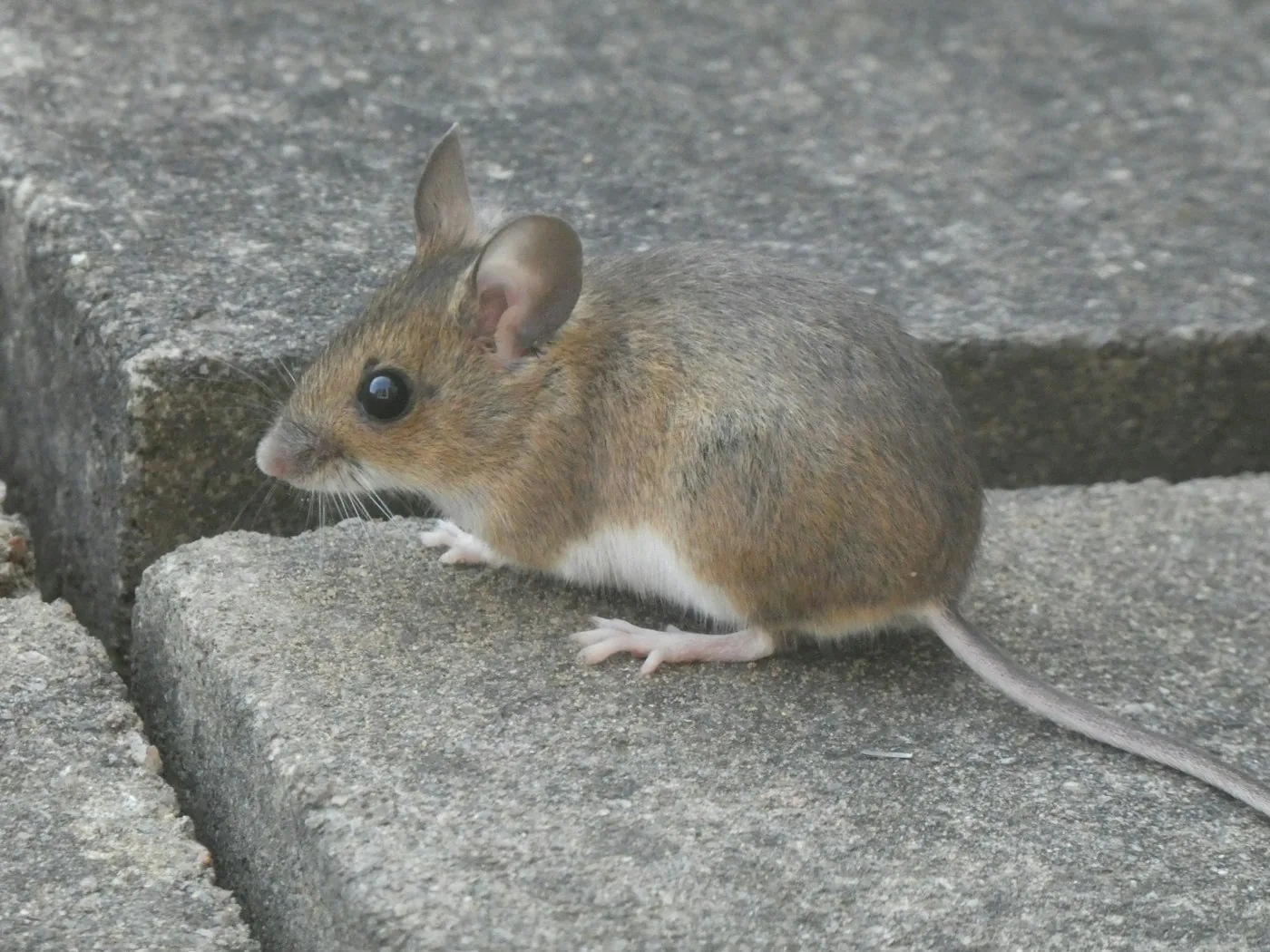
Food sources
Crumbs, pet food, pantry access and open trash are the biggest draws of all.
We identify and help you cut off the food access mice rely on.
Water sources
Leaks, condensation and pet bowls give mice the water they need to stay.
We flag the moisture sources that keep rodents coming back.
Shelter opportunities
Attics, wall voids and clutter offer safe, warm places to nest and breed.
We seal and reduce the harborage mice nest in.
Seasonal weather
Cooler, wetter spells push mice indoors looking for shelter and warmth.
We harden the home ahead of the seasonal pushes indoors.
Clutter
Stored boxes, piles and debris create hidden runways and nesting spots.
We advise on decluttering the exact zones mice exploit.
Exterior vulnerabilities
Gaps, cracks and utility penetrations are open doorways from the outside.
We find and seal the exterior openings mice use to enter.
Mouse Control FAQs
Straight answers on inspections, droppings, attic infestations, exclusion, cleanup, prevention and how long control lasts.
01 How do I know if I need a mouse inspection?
If you’re hearing scratching at night, finding droppings, noticing a musty odor or seeing gnaw marks, it’s worth an inspection. Mice are secretive and mostly nocturnal, so the signs usually show up before you ever see the animal. An inspection confirms whether it’s active, how far it’s spread, and where they’re getting in.
02 What do mouse droppings look like, and are they dangerous?
Mouse droppings are small, dark, rod-shaped pellets — often found along walls, in cabinets, drawers or on insulation. They’re more than unpleasant: droppings and urine can carry bacteria and contaminate surfaces and air. That’s why we pair removal with proper cleanup rather than just clearing the visible mess.
03 Why do mice keep coming back to my attic?
The attic gives mice everything they want — warmth, quiet, insulation to nest in and easy roofline access. If the entry points aren’t sealed, new mice simply follow the scent trails left behind. Lasting attic control means removing them, cleaning the contamination and closing the openings that keep drawing them back.
04 How does mouse exclusion actually work?
Exclusion is the prevention side of control. We inspect the structure for every gap a mouse can use — and mice fit through openings as small as a dime — then seal and reinforce them with rodent-resistant materials. Closing those access points is what turns a temporary catch into a long-term solution.
05 Do you clean up after a mouse infestation?
Yes. Removal is only part of the job. We handle contamination cleanup — droppings, urine, soiled insulation and nesting debris — and sanitize the affected areas. This addresses the health risks and lingering odor that a trap-only approach leaves behind.
06 Can I just use traps and bait myself?
Traps can catch individual mice, but they don’t seal entry points, control a breeding population or handle contamination — which is why DIY activity so often returns. Professional control combines inspection, removal, exclusion and cleanup so the problem is resolved at the source rather than managed week to week.
07 How do you keep mice out for good?
Long-term control comes down to prevention: sealing every entry point, reducing the food, water and shelter that attract mice, and advising on the conditions worth watching. We build the exclusion to last and point out the vulnerabilities so your home stays protected after we leave.
08 How small a gap can a mouse get through?
A house mouse can squeeze through a gap roughly the size of a dime — about a quarter-inch. That’s why casual sealing often misses the mark: the openings are easy to overlook. A thorough exclusion accounts for every qualifying gap around the roofline, foundation, utilities and vents.
09 How quickly can you respond to a mouse problem?
We answer live and schedule inspections promptly, because mouse populations grow fast — the sooner we assess it, the smaller and simpler the problem stays. Reach out and we’ll get you on the schedule and advise what to do in the meantime.
10 Is professional mouse control worth it for just a few mice?
A few mice rarely stay a few mice — they reproduce quickly and a small issue can escalate within weeks. Addressing it early, with inspection and exclusion, is almost always easier and less costly than waiting until an infestation has spread through the attic and walls.
 Next Steps
 Take Control of Mouse Activity Before It Expands
Every week counts with a breeding rodent. Choose your next step and we’ll get the activity assessed — no forms, just fast expert help.
Free Inspection
Identify mouse activity, entry points and contamination risks before populations grow.
Book Free InspectionCall Us Now
Speak with a mouse-control specialist about protecting your property.
Call (772) 227-1522