
Wildlife Exclusion in Port St. Lucie That Stops Animals From Getting Inside
Removal takes care of the animal in your house today. Wildlife exclusion is how we keep the next one out. We find the gaps, vents and weak points wildlife uses to get in, then seal and reinforce them so the next raccoon, rat or bat never gets the chance.
- Entry-point sealing
- Home hardening
- Long-term protection
Illustrative — your score is set by how many entry points are sealed.
Where Wildlife Finds a Way In
Every home has a handful of predictable weak points. We check eight zones on the exterior, the ones wildlife targets first. Here is each zone and how it gets protected.
Roof vents
Common targetWarm attic air venting at the roof draws animals straight to the opening.
Soffits
Common targetGaps where the soffit meets the roofline are easy pry-points to lever open.
Fascia gaps
Common targetWarped or rotted fascia leaves a lip that wildlife works loose over time.
Chimneys
Common targetAn uncapped flue is an open vertical shaft leading right into the home.
Utility penetrations
Common targetHoles cut for pipes, wiring and AC lines are ready-made entry points.
Crawlspace openings
Common targetBroken vents and loose access doors let animals settle beneath the home.
Roof intersections
Common targetWhere rooflines meet, flashing gaps form seams animals slip through.
Attic vents
Common targetGable and dormer vents with torn screens become open nesting doorways.
Why Removal Alone Isn’t Enough
Leave the entry point open and one animal becomes an ongoing cycle. Each stage compounds the last until exclusion breaks the chain.
Level 1 — Wildlife Entry
An animal exploits one unsealed gap and gets inside.
Level 2 — Nesting Activity
It settles in and reproduces in the attic or walls.
Level 3 — Property Damage
Chewed wiring, torn insulation and structural wear set in.
Level 4 — Contamination
Droppings, urine and odor foul the space and the air.
Level 5 — Repeat Infestations
With the entry still open, new animals keep returning.
Exclusion breaks the cycle
Seal the entry point and the chain has nowhere to restart. Animals can’t get back in, so the nesting, damage and contamination stop with them.
- Access closed at the source
- No path back in for the next animal
- One fix instead of repeat call-outs
- Protection that holds for the long term
Wildlife Exclusion Services We Provide
Different animals break into a home in different ways, so each exclusion system is built for the species it defends against.
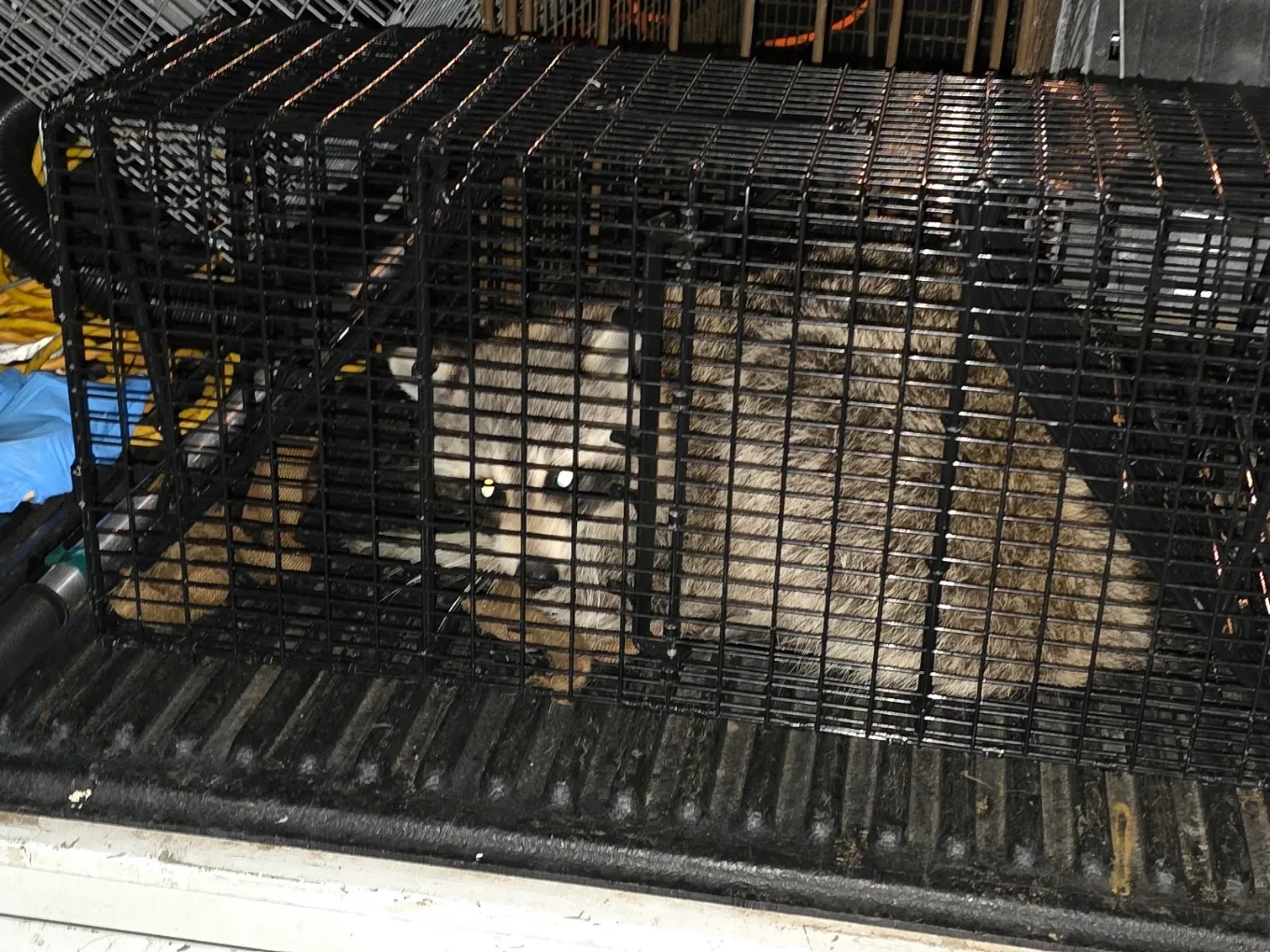
We seal the gaps wildlife uses, then reinforce them so they hold.
Gable vents, soffit gaps, ridge lines and uncapped chimneys.
One-way exclusion devices installed around Florida’s protected bat maternity season, then every gap permanently sealed.
A bat-free structure closed against re-entry, handled legally and humanely.
Soffits, roof intersections, chimneys and deck or foundation gaps.
Heavy-gauge sealing and reinforcement engineered for a raccoon’s strength and dexterity.
Even a determined raccoon can’t pry, pull or tear its way back in.
Utility penetrations, weep holes, garage gaps and vent openings.
Rodent-proof sealing of every opening a quarter-inch and larger, inside and out.
An end to the recurring rat and mouse cycle at its source.
Building a More Wildlife-Resistant Property
Real protection is layered. From the first inspection to long-term monitoring, each layer wraps the last so nothing is left exposed.
Home
Inspection
You start with a complete picture of every current and potential entry point.
Vulnerability Detection
Weak spots get found before wildlife finds them, not after the next intrusion.
Entry-Point Sealing
Every access point is closed with the right method for that location.
Material Reinforcement
Sealed areas are built to withstand chewing, prying and Florida weather.
Monitoring Recommendations
You leave with a simple plan to keep the property protected long-term.
How Homeowners Prevented Future Wildlife Problems
Real reviews from Swift Wildlife customers across the Treasure Coast. They describe the same secure-it-properly approach we bring to every exclusion.
“Absolutely outstanding service! The team was professional, quick, and incredibly knowledgeable. They safely removed raccoons from my property and made sure everything was secure afterward. I'm beyond impressed with their work!”
“I highly recommend! This team was quick, respectful of my home, and incredibly knowledgeable! They also made sure everything was clean and secure before they left. It's such a relief knowing the problem is solved and "Felix" is one call away if I ever need help!”
“Swift Wildlife was AMAZING. They were the only people in the area to help me get rid of a problem I was having with bats! I heard they are pros with raccoons as well!”
Signs Your Property Needs Wildlife Exclusion
Not sure if it’s time to harden your home? Run through the self-check. Tap each sign to see what it means and what to do.
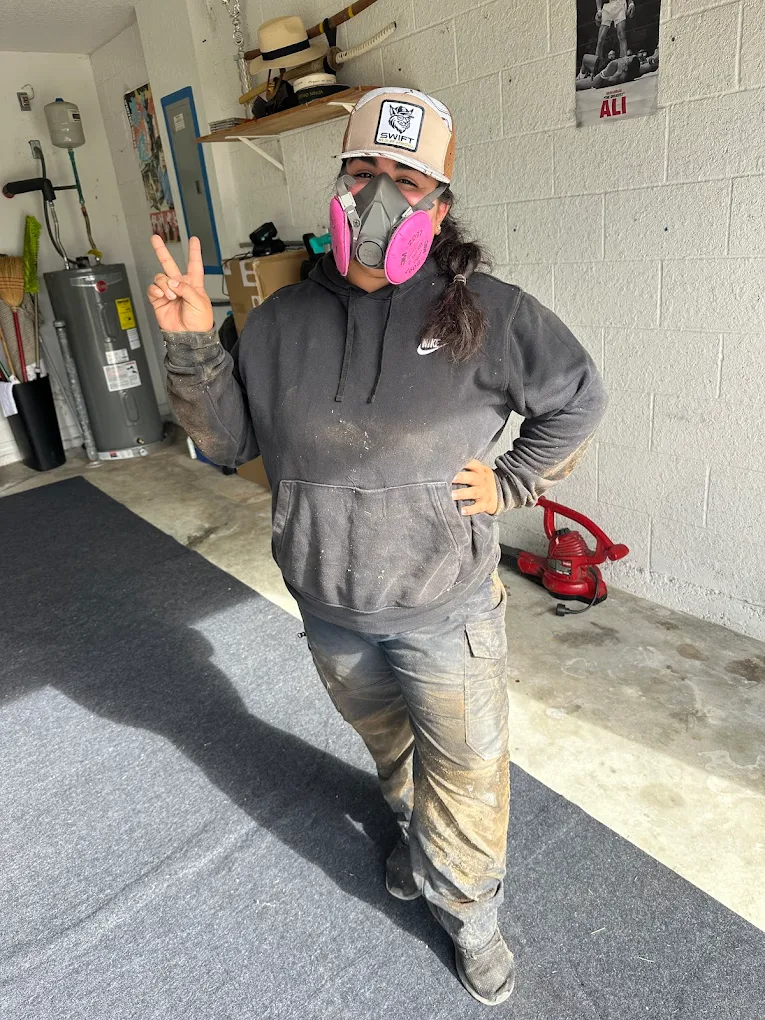
Repeated wildlife activity
The same animals keep coming back because the entry point was never actually sealed.
Exclusion seals the access itself, not only whichever animal is using it today.
New roofline noises
Scratching or scampering at the roofline usually signals a fresh entry point.
Inspect and seal it before nesting and damage start.
Exterior damage
Chewed soffits, torn screens and pried fascia are open invitations to wildlife.
Repair and reinforce the damaged points before they spread.
Seasonal invasions
Predictable spring or fall intrusions mean your home is an easy, repeat target.
Harden the property ahead of the season instead of reacting to it.
Recurring attic problems
Droppings or nesting returning after a cleanup means the door is still open.
Seal the entry points as part of the fix so it doesn’t come back.
Evidence of entry points
Grease marks, gaps and worn openings show exactly where wildlife gets in.
Map and close every one during a full exclusion.
Wildlife Exclusion FAQs
Straight answers on sealing methods, prevention, bats, raccoons, rodents, attic protection and how long exclusion lasts.
What exactly is wildlife exclusion?
Wildlife exclusion is the prevention side of wildlife control. Instead of only removing an animal, we find the gaps, vents and structural weaknesses it used to get in, then permanently seal and reinforce them so wildlife can’t re-enter. That turns a one-time removal into long-term protection.
How is exclusion different from removal?
Removal takes the animal out. Exclusion keeps the next one from getting in. Removal on its own leaves the entry point wide open, which is why infestations so often repeat. Exclusion closes the access itself, so the problem gets resolved instead of temporarily cleared.
How do you find every entry point?
We inspect the whole exterior and structure the way wildlife approaches it: roofline, soffits, fascia, vents, chimney, utility penetrations and the foundation. We look for existing openings and the vulnerable spots animals are likely to exploit next. Every one gets mapped before any sealing begins.
What materials do you use to seal entry points?
We match the material to the location and the animal: heavy-gauge metal, hardware cloth, structural sealants and vent guards, all chosen to resist chewing, prying and Florida’s heat and humidity. We want the repair still holding years from now, not failing after one season like a temporary patch.
Is bat exclusion handled differently?
Yes. Bats are protected, so exclusion is timed around Florida’s maternity season and done with one-way devices that let bats leave but not return, followed by sealing once the structure is clear. It’s a careful, regulation-compliant process. We never trap bats or seal them inside.
Can you keep raccoons out for good?
Raccoons are strong and dexterous, so effective raccoon exclusion means heavy-duty sealing and reinforcement at the soffits, roof intersections and chimney they target. Done properly, it stands up to their strength so they can’t reopen the access, even the determined ones.
How does rodent exclusion stop repeat infestations?
Rats and mice only need a gap about a quarter-inch wide, so rodent exclusion is meticulous: we seal every qualifying opening around utility lines, weep holes, garages and vents. Closing those access points is what finally breaks the cycle of rodents returning after each cleanup.
Do you exclude wildlife from the attic specifically?
The attic is the most common target, so it’s central to exclusion. We seal the roof vents, soffit gaps, fascia lines and roof intersections that lead into it, and reinforce them. That protects the insulation, wiring and air quality attic intrusions put at risk.
Does exclusion require ongoing maintenance?
A quality exclusion is built to last, but homes change. Weather, wear and new damage can create fresh openings over time. We leave you with monitoring recommendations and simple things to watch for, and we’re available to re-inspect so small issues get caught before they become intrusions.
How long does wildlife exclusion last?
When entry points are properly sealed and reinforced, exclusion protects for the long term. That’s the entire point of doing it. Longevity comes down to workmanship and materials, which is why we build for durability and back our work rather than applying quick fixes that fail.
Is exclusion the same as wildlife control?
Exclusion is the part of wildlife control that makes the result last. Removal takes the animal out; exclusion seals the gaps so the next one can’t take its place. On most Treasure Coast homes that means soffit returns, roof and gable vents, fascia gaps and the points where plumbing and wiring enter. Removal without exclusion is a repeat visit.

Protect Your Home Before Wildlife Returns
The best time to seal a home is before the next intrusion. Pick whichever step suits you. Either way, you reach a real person fast.
Open 24 hours · 7 days a week · 24/7 emergency line
Wildlife Exclusion Across the Treasure Coast
Dedicated local pages for every community we serve — same humane methods, licensed & insured, same-day response.