
01
Roof maintenance
Bats exploit the small gaps that open up as a roof ages: loose flashing, lifted tiles, worn ridge lines. Keeping the roof sound closes those doorways before a colony finds them.
Scratching overhead, a smell that keeps getting stronger, guano collecting in the attic. Most people don’t know a bat colony has moved in until it’s been there a while. We get bats out humanely with one-way exclusion devices, seal every gap they were using, and clean up what they left behind.
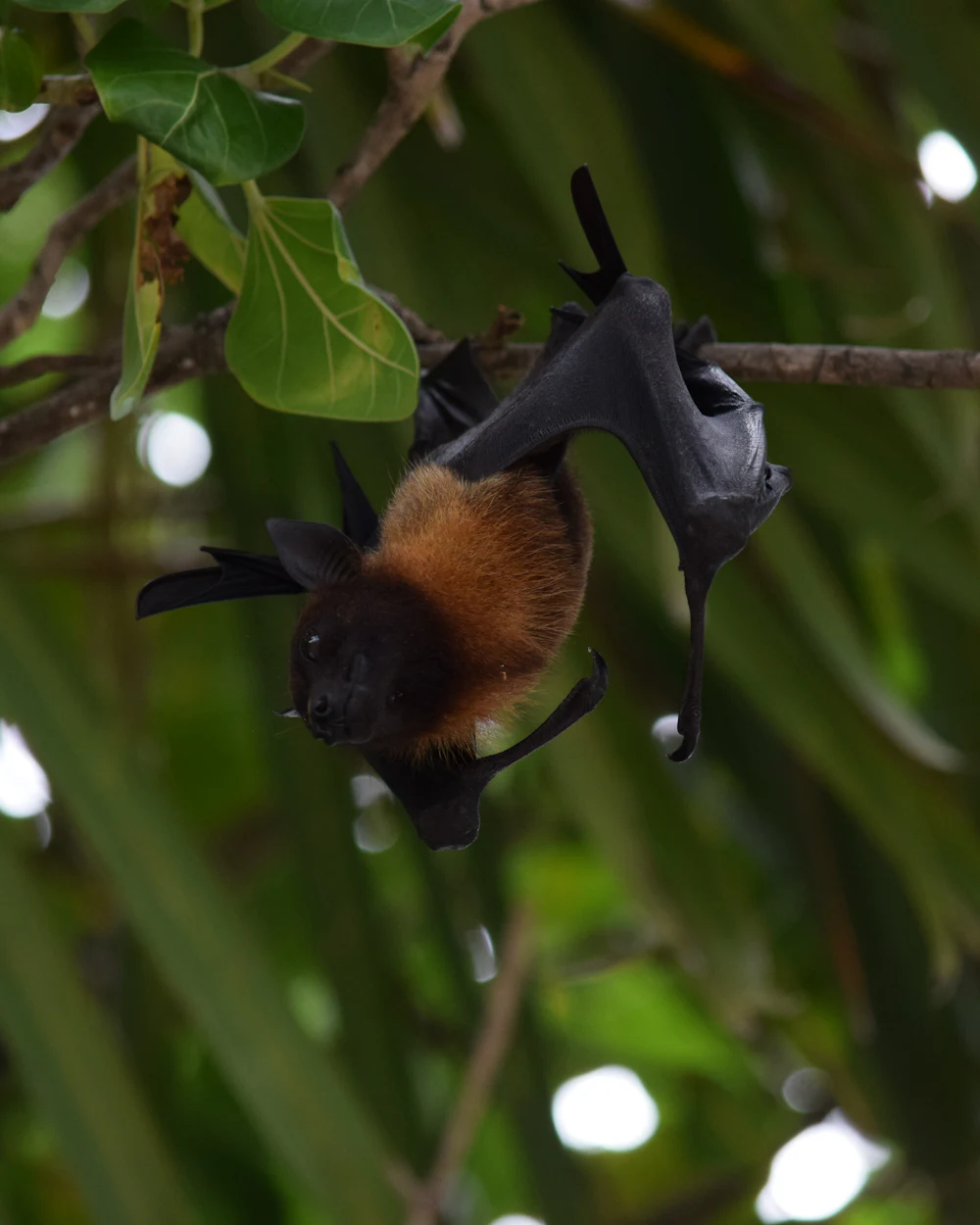
Humane one-way exclusion.
Bats out · sealed for good
Bat work is governed by timing and by what the colony leaves behind. Exclusion and cleanup are different pieces of work, and the calendar decides when the first can start.
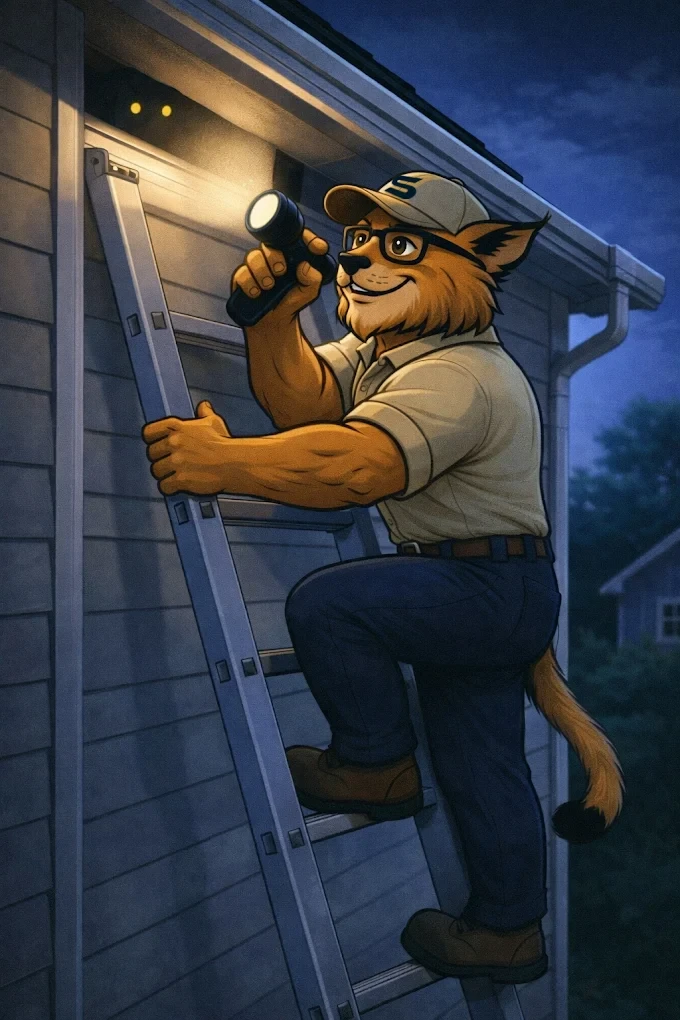
Attic and exterior both. We locate the roost, find every entry and exit point, gauge how established the colony is and check for guano and contamination. The inspection is free and comes with a written estimate.
Bats are never trapped. One-way devices on the openings in use let the colony leave on its own and stop it returning through them.
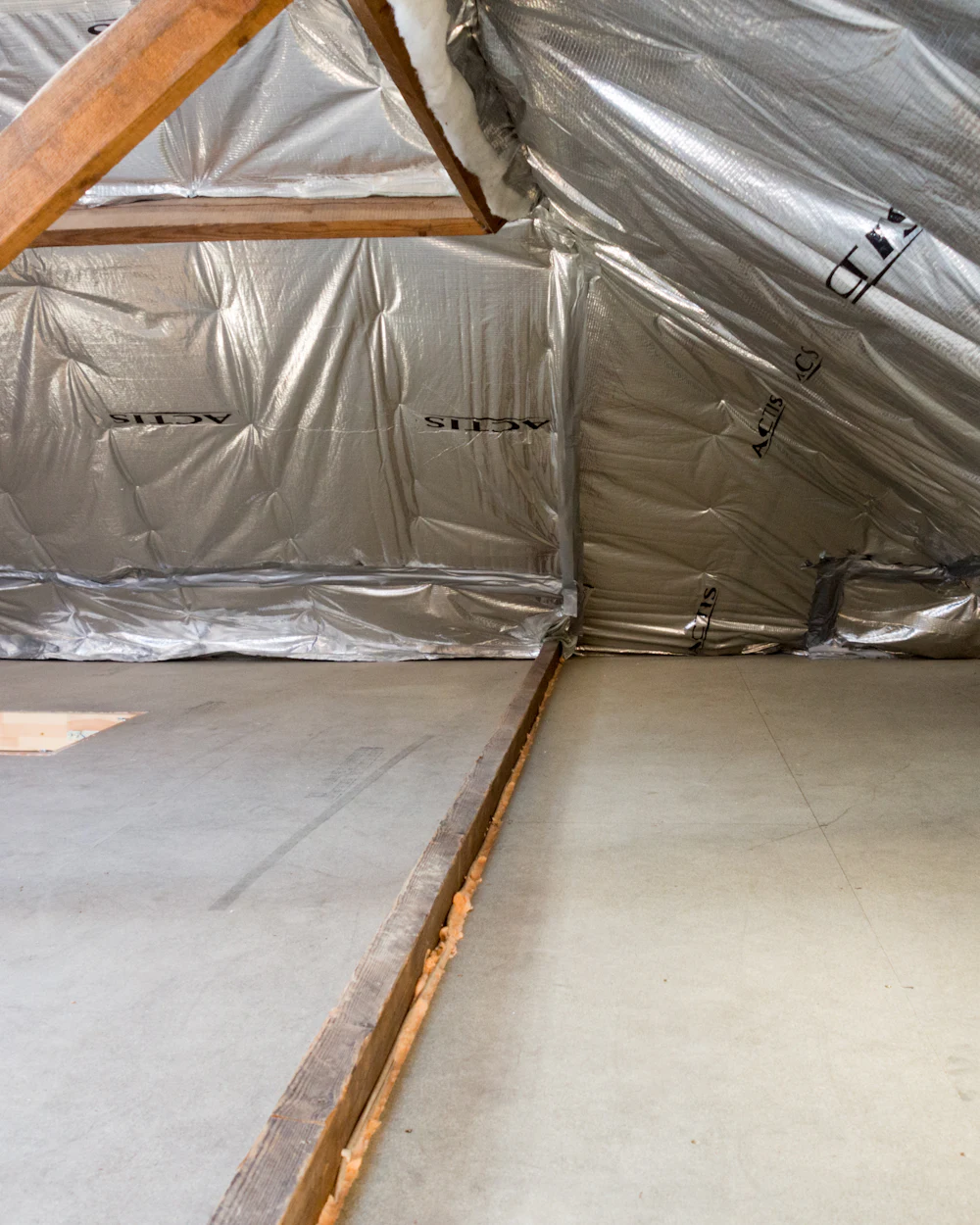
Exclusion treats the openings; cleanup addresses guano, soiled insulation and odour. They are quoted as distinct work, along with any insulation replacement, so the scope is clear.
Treasure Coast — St. Lucie County, Martin County and Indian River County.
All 28 communitiesFree, photo-documented, with a written estimate before any work starts.
Bat exclusion season is OPEN. FL maternity blackout begins April 16, 2027 — schedule now to avoid the pause.
Call (772) 227-1522 →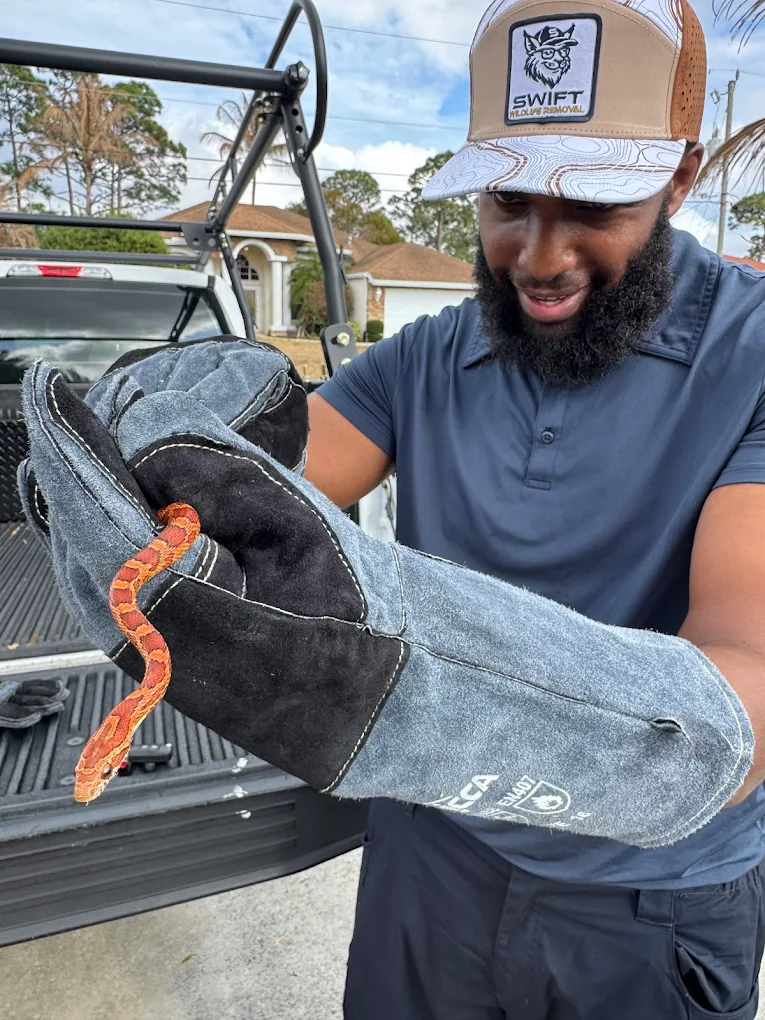
Owner, Swift Wildlife Removal
Issac leads the field work at Swift: the inspections, the humane removals, and the exclusion that keeps animals out for good. He and Ella run the company themselves, and you reach the people who do the work.
“Ella and Issac are absolutely wonderful. Polite, courteous, reasonable and very professional. They are very knowledgeable and explained everything they were doing. A great team!”
To a bat, an attic is close to a perfect roost: warm, dark, dry and undisturbed, and safe from predators. Hollow trees are getting harder to find. In Florida’s warm climate, the space under a roof has become the next best thing.
Getting in takes remarkably little. A gap the width of a finger at a gable vent, soffit, ridge line or worn piece of flashing is enough, and bats slip in and out silently after dark. Colonies grow through the warmer months as females gather to raise young. Because the animals are quiet, nocturnal and hidden away, an infestation often goes unnoticed for months, until the guano, odor or sounds give it away.
None of that makes bats the enemy. They’re protected, beneficial insect-eaters. It just means the right response is humane exclusion and sealing, done at the correct time of year.
A single bat eats thousands of mosquitoes and insects a night. They belong outside, not in your attic.
Bats are legally protected in Florida. Removal has to be humane and timed around FWC rules, never extermination.
The humane standard: bats fly out on their own to feed, and a one-way device blocks the way back in.
A gap the width of a finger is all a colony needs. That’s why so many go unnoticed for months.
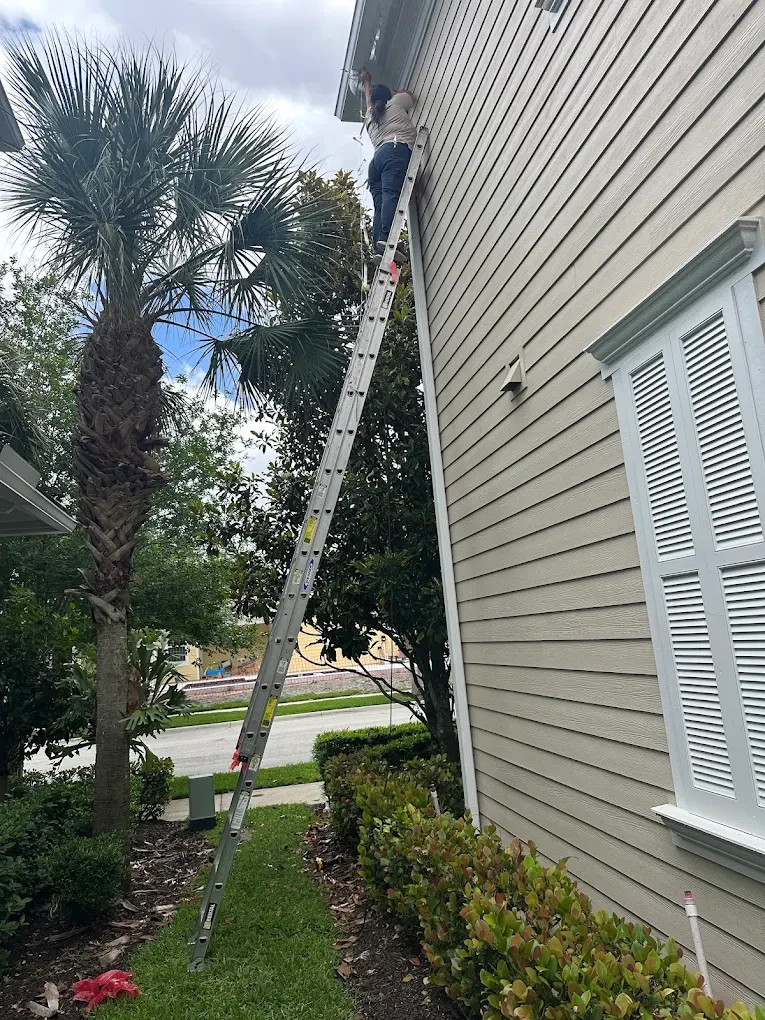
Bats are quiet and hidden, so the early clues are easy to miss. Here’s what to look for, and what each sign is telling you.
Faint scratching or rustling overhead, usually near dawn and dusk as bats settle or leave.
A colony is moving through a roost in the attic or wall void.
High-pitched chirps or squeaks from the attic, most noticeable in the quiet of evening.
The unmistakable sound of an active, occupied bat roost.
Piles of small, dark droppings collecting in the attic or below an entry point.
A well-established colony that has been roosting for some time.
A strong, ammonia-like smell that grows over time and drifts into living spaces.
Accumulated guano and urine saturating insulation and materials.
Dark, greasy staining and rub marks around a gable vent, soffit or roofline gap.
The exact spot the colony uses to enter and exit each night.
Bats emerging from the roofline at sunset, or circling the home in the evening.
A resident colony leaving to feed. The clearest confirmation there is.
A roost rarely stays a simple noise complaint. Give it time and it works into the insulation, the air and the framing. Acting early saves most of that.
Guano and urine soak into attic insulation, ruining its performance and turning it into a source of odor and contamination.
Accumulated guano can harbor fungal spores linked to histoplasmosis, and attic air circulates down into the home you breathe.
The ammonia smell of an established roost saturates materials and keeps returning until the source is removed and the space treated.
Long-term moisture from urine and guano can degrade wood, drywall and stored belongings in the roost area.
Scent marking left behind draws new bats to the same entry points. That’s why we seal every opening rather than stopping at removal.
Getting the bats out is the part everyone waits for. Sealing is what makes it last. Here’s how we handle both, humanely.
A thorough attic and exterior inspection to locate the roost, the entry points and the extent of the activity.
We identify the colony and check whether it’s maternity season, because that sets the legal window for exclusion.
The heart of the job. A humane, one-way exclusion plan lets every bat fly out on its own and blocks the way back in. Nothing gets trapped or hurt.
The humane core of our workOnce the colony is out, every gap, vent and roofline opening is sealed with durable, bat-proof materials.
A final assessment and guidance so the attic stays protected and a new colony can’t take the old one’s place.
We exclude the colony, seal the home, and clean up the attic. Handled together, those three keep a bat problem from turning into an annual event.
An active bat colony roosting in the attic, with noise, guano and a growing odor.
Humane, correctly-timed one-way exclusion that removes the colony without harm.
A bat-free attic, handled legally and humanely from start to finish.
The gable vents, soffit gaps and roofline openings bats use to get in — and would use again.
Durable, bat-proof sealing of every entry point after the colony has left.
The lasting protection that stops removal from becoming a yearly problem.
The contaminated insulation, guano and odor a colony leaves behind in the attic.
Cleanup, decontamination and restoration of the affected attic spaces.
A clean, healthy attic restored — protecting air quality and property value.
“Swift Wildlife was AMAZING. They were the only people in the area to help me get rid of a problem I was having with bats! I heard they are pros with raccoons as well.”
“Amazing and top-tier services. They can handle anything you throw at them, especially if you’ve got bats.”
“These guys were awesome. After dealing with the issue, they completely disinfected my attic and made it feel clean and safe again. They didn’t cut corners.”
The best protection is an attic bats can’t get into. A few simple habits and checks keep the roofline closed.
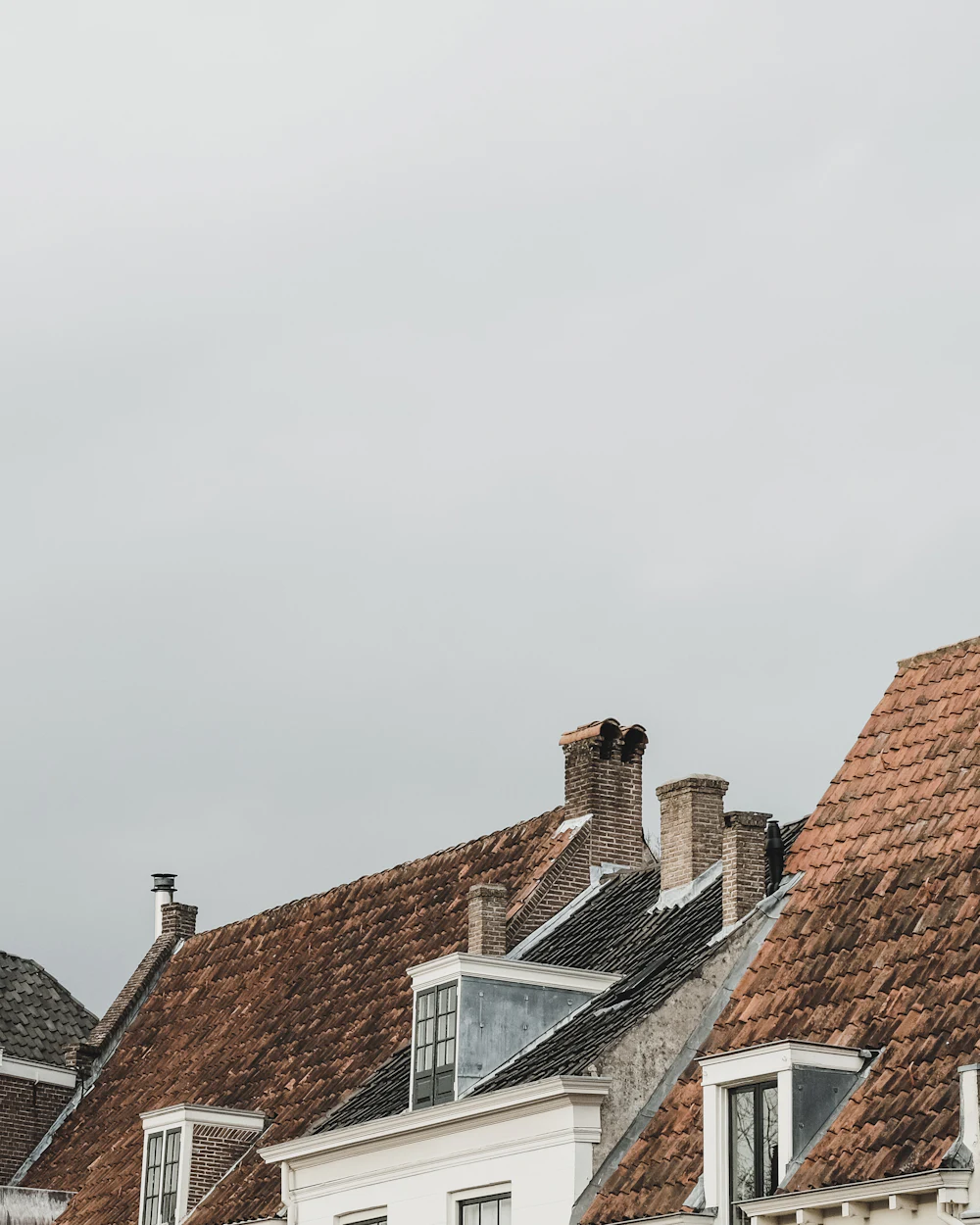
Bats exploit the small gaps that open up as a roof ages: loose flashing, lifted tiles, worn ridge lines. Keeping the roof sound closes those doorways before a colony finds them.
Gable and soffit vents are among the most common entry points. Proper screening keeps airflow moving while denying bats the sheltered opening they’re looking for.
Look over the roofline, fascia and soffits now and then, especially after storms. A new gap caught early is a quick fix rather than an established roost.
Watching for staining, odor or fresh guano near the roofline is the earliest warning of activity, long before the sounds of a colony become obvious.
Bat activity shifts with the seasons, and so does the law. FWC only allows exclusions outside maternity season, so knowing that window is key to handling any issue correctly and humanely.
The strongest protection is a plan for your specific property. Seal the gaps that matter, know what to watch for, and the attic stays yours.
Straight answers on humane exclusion, maternity season, guano cleanup, entry points and long-term prevention.
Bat exclusion is legal in Florida from August 15 through April 15. During bat maternity season, April 16 through August 14, exclusions require the applicable FWC authorization because flightless pups are in the roost and would be trapped. If you call during the blackout, we still inspect, seal the gaps bats aren’t using, and schedule your exclusion for the first legal date. The colony is out the moment the law allows.
Always. Bats are beneficial and legally protected, so we never exterminate them. Our approach is humane, one-way exclusion: devices that let every bat leave the roost on its own to feed, then keep it from getting back in. Once the colony is confirmed out, we seal the entry points. That’s the safe, legal way to handle a bat problem, and it’s the only way we do it.
Timing matters here, legally and otherwise. During maternity season, flightless pups are in the roost. Exclude the adults and the young get trapped inside, which is inhumane and against FWC rules. So we assess the colony first, then schedule the exclusion for the lawful window instead of causing a worse problem.
Bats need only a small opening, roughly the width of a finger. Gable vents, soffit gaps, roofline seams, ridge caps and worn flashing are all common entry points. They’re after the warm, dark, undisturbed space an attic provides. And because the gaps are small and bats are silent and nocturnal, a colony can be up there for months before anyone notices.
It deserves respect and proper handling. Beyond the smell and the insulation damage, accumulated guano can harbor a fungus associated with histoplasmosis, and attic air circulates down into the home. That’s why we pair exclusion with cleanup and decontamination instead of just removing the bats. Your air quality is part of the job.
Sealing is the key. After the colony has been excluded, we close every gap, vent and roofline opening with durable, bat-proof materials. Bats leave scent behind that draws new bats to the same spot, and removal without sealing is exactly why bat problems come back. Exclusion and prevention are the core of the job.
Bat exclusion allows bats to leave a structure and prevents their return through the treated openings. Attic cleanup addresses contamination left behind. Ask for an estimate that distinguishes exclusion, cleanup and any insulation work so the scope is clear.
We inspect both the attic and the exterior. We locate the roost, find every entry and exit point, gauge how established the colony is, and check for guano and contamination. That full picture lets us build a humane exclusion plan sized to your home and timed to the legal window, without guesswork. We’re licensed and insured, and the inspection itself is free.
It depends on the size of the colony, the number of entry points and the season. The one-way exclusion devices stay up for several days so every bat has left before we seal, and cleanup gets scheduled around that. After the inspection we’ll give you a realistic timeline for your situation.
Over time, yes, mostly through their guano and urine. It ruins insulation, soaks wood and drywall with moisture and odor, and drags down attic air quality. The damage is gradual. Catch a colony early and exclude it properly, and you spare both the attic and your property’s value.
Yes. Beyond exclusion and cleanup, we give you prevention guidance and can re-inspect to confirm the attic stays bat-free. That matters on Treasure Coast properties near water and tree cover, where bat pressure runs higher. We want the result to hold, not just look good the day we leave.

A colony only gets bigger with time, and the cleanup gets bigger with it. Call now for humane exclusion — a real person answers, day or night. There’s no form to fill out.
Open 24 hours · 7 days a week · 24/7 emergency line
Dedicated local pages for every community we serve — same humane methods, licensed & insured, same-day response.