
Bat Removal in Orchid, FL
Law-compliant bat exclusion for Orchid Island estates — we locate the roost, exclude the colony with one-way devices timed to Florida’s legal window, and remediate the histoplasmosis-risk guano, discreetly.
- Proactive & discreet
- Humane & licensed
- Written guarantee
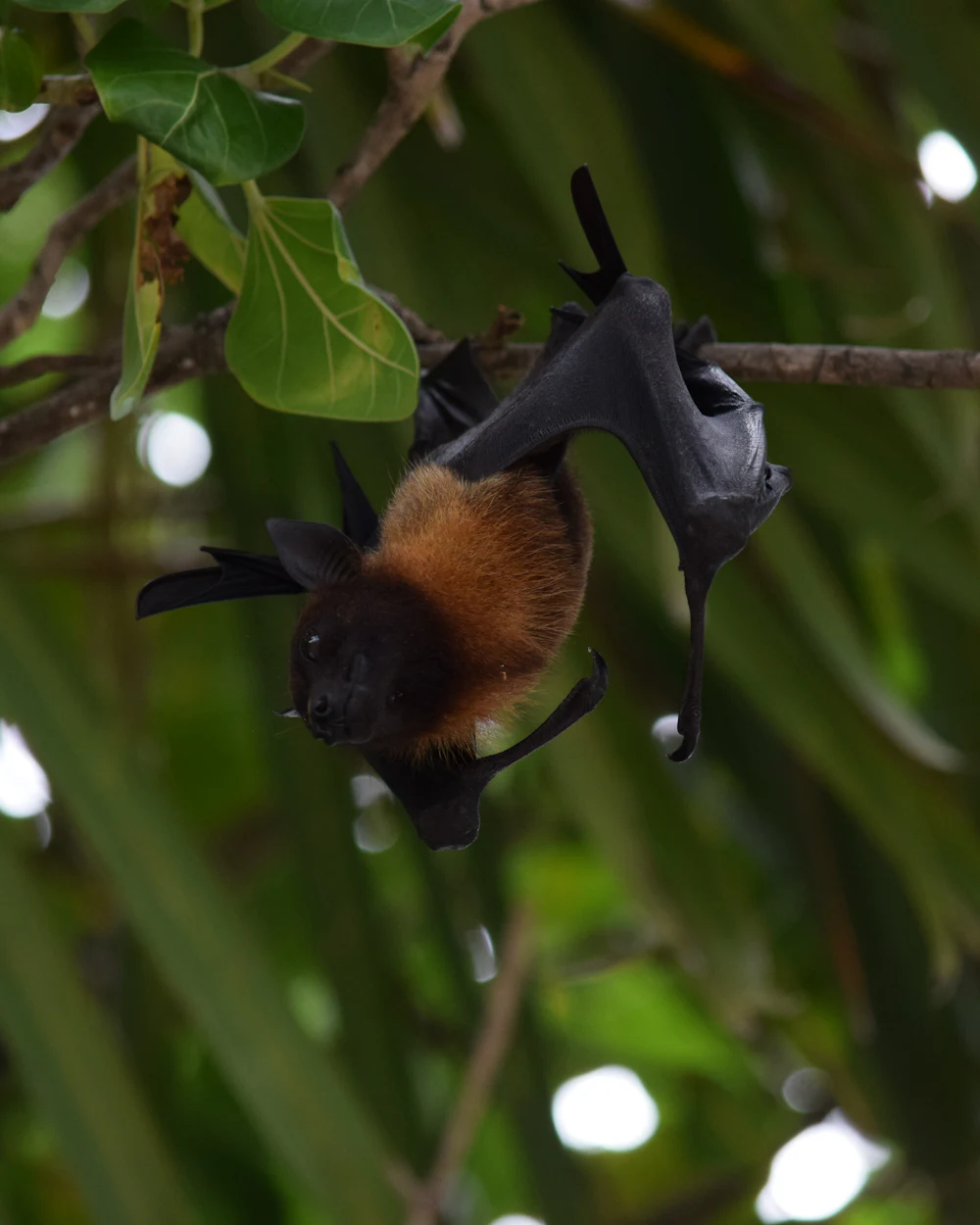
Bat exclusion season is OPEN. FL maternity blackout begins April 16, 2027 — schedule now to avoid the pause.
Call (772) 227-1522 →Bat Removal for Orchid estates
Orchid is a tiny barrier-island town near the historic Jungle Trail, ringed by lagoon hammock and refuge land that breed the insects bats hunt after dark. Its handful of upscale homes, set in dense native landscaping, give colonies quiet roof space to roost. We track the roost, exclude it legally, and seal the roof line behind it.
How bats behave around Orchid luxury homes
Bats settle in Orchid because the lagoon hammock and nearby refuge concentrate insects within a short flight of warm, dark attics, and the town’s low density means undisturbed roosts. A colony finds one gap at a fascia or ridge on a plant-shrouded home and stays for years.
They pack into the attic peak by day and stream out at dusk to feed over the lagoon and hammock, returning before dawn through the same crack. Since Florida protects native bats and shields an April 16–August 14 maternity season, a roost cannot be sealed while flightless pups remain, meaning after mid-August.
Early warning signs on the estate
On an Orchid Island estate these are the first signs to watch for — across the roofline, the grounds and the water line.
A dusk fly-out over the hammock
Bats leaving a roof gap and rising over the lagoon hammock to feed at sunset mark the colony’s exit along the fascia or ridge.
Droppings on shaded decking
Pellet droppings and grease stains on a deck or path beneath dense native plantings usually sit right under an active bat entry above.
Dawn chittering in the eaves
Faint squeaks near the roof line as the colony returns before first light are a common early clue on these secluded island lots.
Property & structural risks
Left unaddressed, bats reach the parts of an estate that are costliest to restore. Here’s what’s at stake.
- 1
A growing, protected colony
A roost only grows, and every native bat is legally protected — the longer it’s left, the larger the colony behind the estate’s vents and tile.
- 2
Guano staining & corrosion
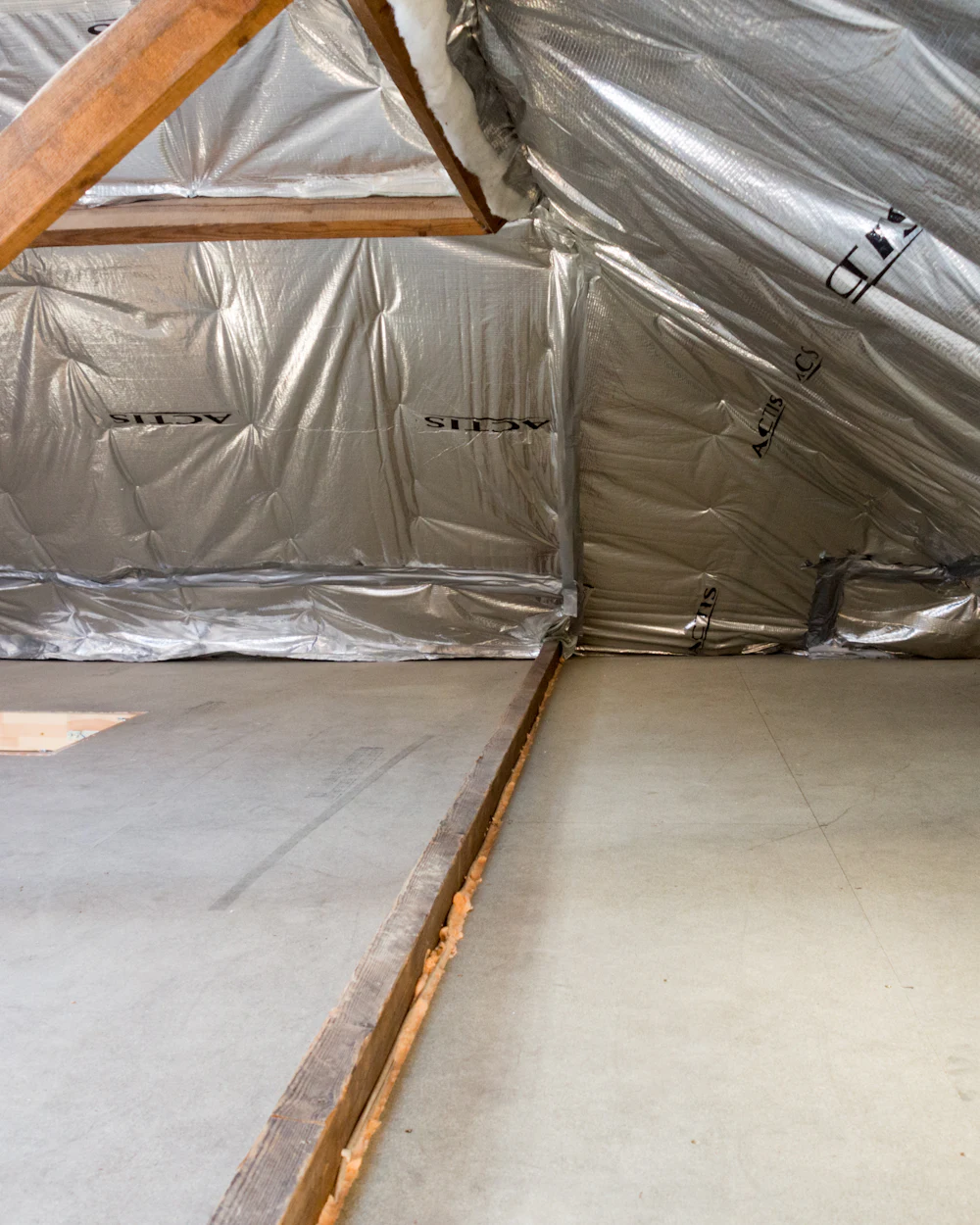
Guano builds in attic and wall voids, staining custom ceilings below and corroding fasteners and detailing overhead.
- 3
Illegal if timed wrong
Sealing a roost during maternity season (Apr 16–Aug 14) traps flightless pups inside — inhumane, unlawful, and a far worse mess in the walls.
Family, guest & pet safety risks
Bats on an estate bring health and safety concerns for family, guests, staff and pets — not just a nuisance.
Histoplasmosis in guano
Bat guano can harbor the fungus behind histoplasmosis, a genuine respiratory risk that makes proper, protected remediation essential.
Air pushed into living space
A roost above the ceiling drives odor and spores into the living space through gaps and the HVAC return.
Rabies caution
Though rare, bats are a rabies vector — a bat in the living space, especially near a sleeping guest or child, warrants professional handling.
Our humane bat removal methodology in Orchid
A clear, humane sequence — survey, remove, reunite and seal — carried out discreetly and documented start to finish.
- 01
Roost inspection
We confirm the species is legal to exclude, find every entry point, and check the calendar against maternity season.
- 02
One-way exclusion devices
Installed at active entries so bats leave to feed but cannot return — never trapping or harming them.
- 03
Seal the roost
Once the colony is confirmed out, we seal every gap at soffits, vents and ridge lines.
- 04
Guano remediation
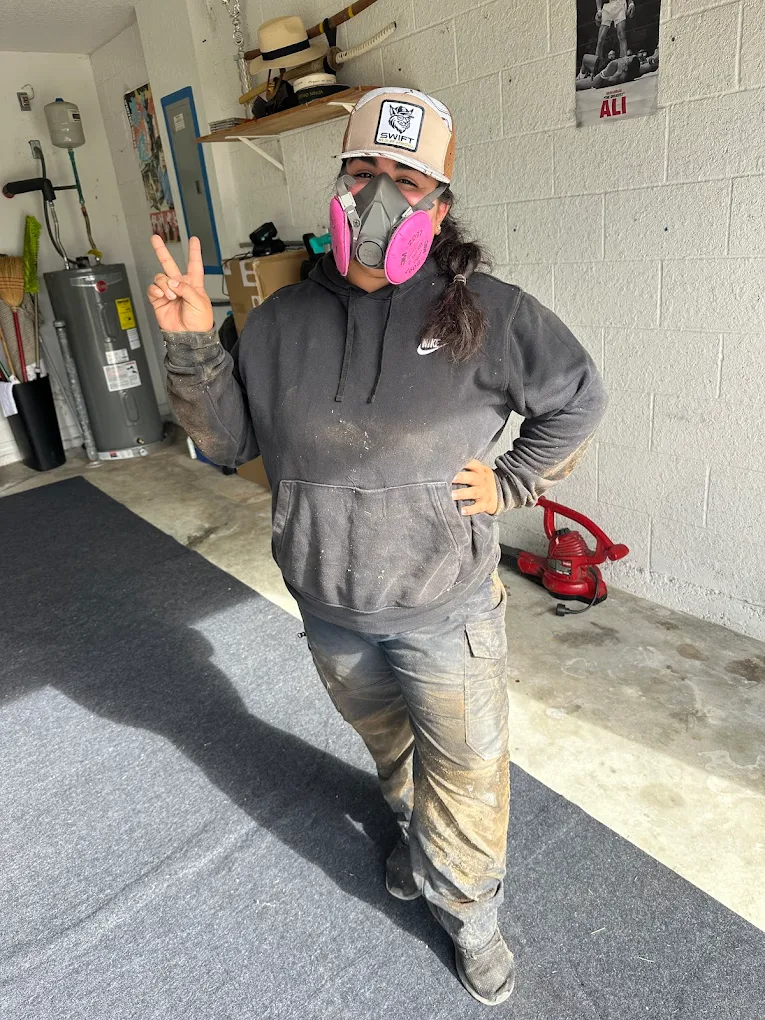
We remove guano and contaminated insulation with HEPA and PPE, then sanitize and deodorize.
Exclusion & property protection planning
Removing the bat is half the work. These measures keep the next one off your Orchid estate.
- After the colony is confirmed out, seal fascia, ridge and roof-line gaps to a quarter-inch with durable material.
- Screen gable and soffit vents on island homes where dense native landscaping hides entries.
- Schedule exclusion outside the April 16–August 14 maternity season, as Florida law requires.
- Inspect the attic yearly, since salt air and hammock humidity loosen fascia and flashing.
Guaranteed in writing — every exclusion we install is backed by our written re-entry guarantee.
What Orchid & barrier-island
estate owners say.
Swift Wildlife was AMAZING. They were the only people in the area to help me get rid of a problem I was having with bats! I heard they are pros with raccoons as well!
"Amazing and top tier services. They can handle anything you throw at them especially if you've got Bats 😖"
"⭐️⭐️⭐️⭐️⭐️ 10 Stars. Excellent service! Swift safely rescued Ursula the Raccoon and her babies. Choose Swift… you won't be disappointed!"
"If you need wildlife removed the right way, call Issac! I was terrified of the raccoons sneaking around my place at night, getting into our garbage every night. Until we met Issac and his wife! They are professional, on time, and get straight to the point. Issac explained everything clearly and handled the problem fast with no stress."
Bat Removal in Orchid — FAQ.
Quick answers — or call us 24/7 for anything else.
How much does bat removal cost for an Orchid estate? +
Orchid is so quiet — does that make bat roosts more likely? +
The pups are still flightless — when can you seal the roost? +
Will the same bats find a way back after removal? +
When can bats be removed in Florida? +
Is bat guano dangerous? +
How many bats are in my attic? +
How quickly can you attend an Orchid property? +
Looking for something else? See all wildlife removal services in Orchid.
Bat Removal across Orchid
Discreet, same-day bat removal across the Town of Orchid — the oceanfront and lagoon-side estates of Orchid Island near the Wabasso Beach border.
Remove bats from your Orchid estate.
A complimentary, by-appointment survey of your Orchid estate — the roofline, the structures, the grounds and the shoreline — with a written, seasonal protection plan to remove what’s present and keep the property ahead of what’s next. A real person answers, 24/7.
- Private, by-appointment estate survey
- Humane bat removal, carried out discreetly
- A written, seasonal protection plan
- Concealed exclusion, guaranteed in writing