
Wildlife Removal in Orchid — Luxury Coastal Estate Care
Orchid is a small, gated barrier-island town between the Atlantic and the Indian River Lagoon — an ocean-to-lagoon enclave of estate homes wrapped in lush, mature landscaping. That beauty is also an open invitation to wildlife, which is why the smart approach here is proactive, not reactive. We manage the whole property, discreetly, and plan for the seasons ahead.
- Ocean-to-lagoon estates
- Proactive management
- Written protection plan

Orchid Island community
Atlantic & lagoon frontage
Part-year occupancy
Mature canopy & beds
A private island, profiled
Few communities on the Treasure Coast are as small or as private as Orchid. A slender barrier island near Wabasso, it holds a single gated golf-and-beach enclave of estate homes — the Atlantic on one side, the Indian River Lagoon on the other, and mature, manicured landscaping in between.
That setting shapes everything about wildlife here. On an island this narrow, animals move through the same grounds the estates occupy, and homes that sit empty for part of the year give them the quiet they prefer. Protecting an Orchid property starts with understanding exactly that profile.
- Setting
- A barrier island between the Atlantic Ocean and the Indian River Lagoon, near the Wabasso Beach border.
- Community
- The gated Orchid Island golf & beach enclave along the A1A corridor — private and low-density.
- Homes
- Oceanfront and lagoon-side estates in mature landscaping, many occupied only part of the year.
- Wildlife
- Raccoons, iguanas, snakes and opossums drawn to the lush grounds, canopy and water’s edge.
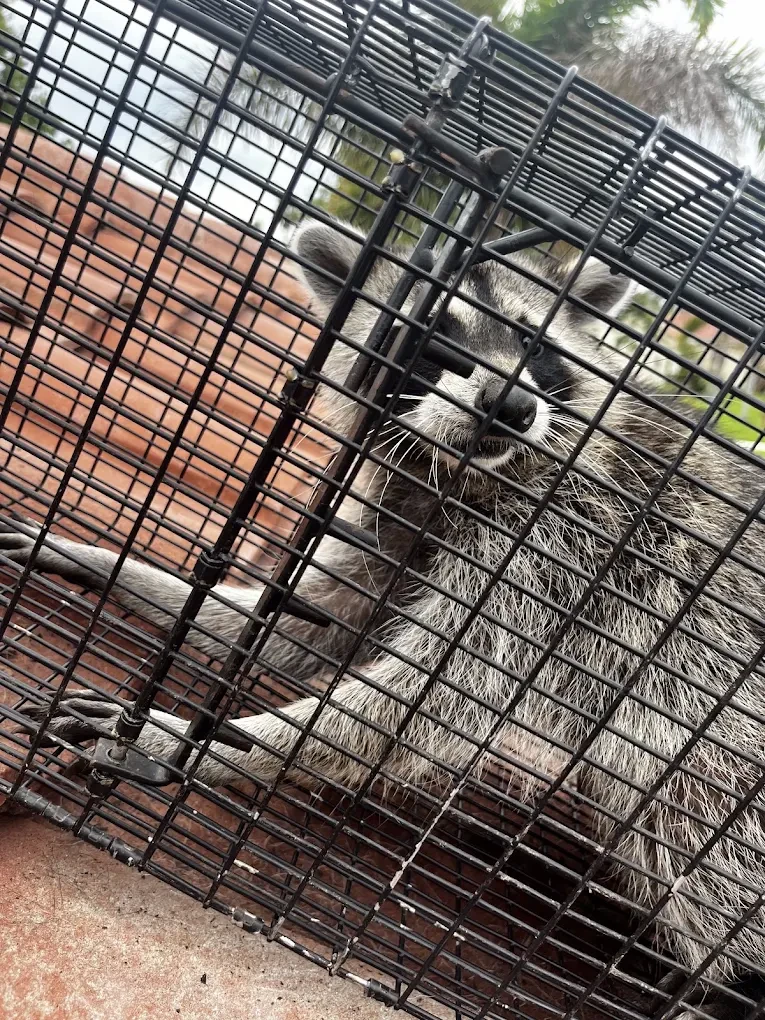
From the ocean to the lagoon
On a barrier island the wildlife travels the width of the land — from the dune to the water’s edge — and an estate sits directly in that path. Understanding the corridor across the island is how we anticipate what reaches your home, and from which direction.
The Atlantic dune
Sea oats and dune vegetation shelter raccoons that forage the shoreline, especially through sea-turtle nesting season.
RaccoonsThe oceanfront estate
The first structures reached from the dune — rooflines, lanais and pool pavilions become dens and sheltered routes.
Raccoons · opossumsThe interior grounds
Mature canopy, ornamental beds and water features carry wildlife across the property between the two waters.
Snakes · rodentsThe lagoon shore
Seawalls, docks and the mangrove edge draw basking, burrowing iguanas and the snakes that follow the rodents there.
Iguanas · snakesBecause the corridor runs both ways, protecting an Orchid estate means addressing the ocean side and the lagoon side together — not just the wall where an animal was last seen.
Where an estate is most exposed
A larger home on a lush island lot has more surface, more detail and more grounds — and more ways in. This is the exposure read we bring to an Orchid property, across the four domains where wildlife pressure concentrates.
The structure & roofline
Long tile rooflines, soffits, chimneys and vents give agile wildlife dozens of quiet overhead entries into the attic.
Outdoor living areas
Screened lanais, pool pavilions and summer kitchens trap wildlife against the house and offer sheltered denning.
The shoreline edge
Seawalls, docks and pond banks are prime iguana basking and burrowing habitat, undermining the waterfront over time.
The grounds & landscaping
Mature canopy and dense ornamental beds are the cover and the climb that deliver wildlife from the lot to the roof.
Levels reflect how these domains typically present on Orchid estates. A private assessment refines the read to your specific home and grounds.
Risk, feature by feature
Each part of an estate invites a different animal. Knowing which wildlife exploits which feature is how a protection plan gets specific — and how it stops the problem instead of chasing it.
Barrel-tile roofline
Lifted tiles and open valleys are the most common overhead entry on an estate roof.
Soffit & fascia
Aging or custom soffit joints separate just enough for wildlife to work open into the attic.
Screened lanai & pool
Torn base tracks let wildlife beneath the screen, into a warm, sheltered outdoor room.
Dock & seawall
Hard shoreline edges are prime basking and burrowing habitat that erodes the structure.
Ornamental landscaping
Dense beds hold moisture and cover, harboring rodents and the snakes that hunt them.
Chimney & flue
An uncapped chimney reads as an open den shaft to denning wildlife overhead.
A concierge set of protection services
Eight focused services, each carried out to the standard an Orchid estate expects — humane, discreet, and finished with sealed exclusion and a written guarantee. Every one links to an Orchid-specific page.
Bee & Wasp Removal
Humane bee & wasp removal
Dead Animal Removal
Humane dead animal removal
Animal Cleanup & Sanitization
Humane animal cleanup & sanitization
Attic & Crawlspace Remediation
Humane attic & crawlspace remediation
Emergency Wildlife Removal
Humane emergency wildlife removal
A threat guide, by architectural element
The features that define an estate’s architecture are the very ones wildlife exploits first — and the ones that are slowest and costliest to restore in kind. Here’s what threatens each, so protection can be planned before damage is done.
Barrel-tile & shingle roof
Lifted tiles and open ridges become overhead entries, and denning fouls the underlayment and insulation.
Raccoons · roof ratsCopper & custom soffit
Specialty detailing is torn and stained by wildlife working the roofline — the finish craftsmen replace slowest.
Raccoons · rodentsScreened lanai & pavilion
Screening is torn and framing clawed as wildlife dens beneath and routes toward the roof.
Raccoons · opossumsChimney & architectural voids
Uncapped flues and decorative voids become den shafts and roosts behind the façade.
Raccoons · batsDock, seawall & pilings
Burrowing honeycombs the seawall and undermines dock footings along the lagoon.
Iguanas · armadillosThe grounds, read as habitat
The landscaping that gives an Orchid estate its privacy and beauty also gives wildlife food, cover and a route to the roof. A candid read of the grounds is where proactive protection begins — because much of the pressure can be managed in the planting itself.
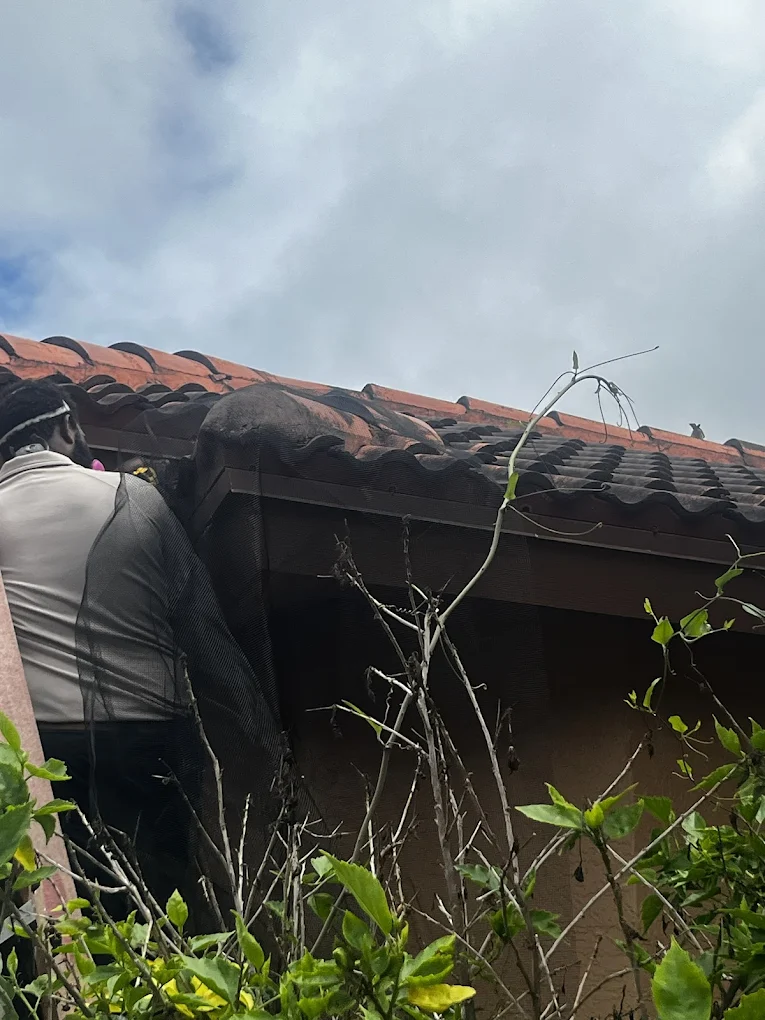
Oak & palm canopy
Overhanging canopy is a direct bridge to the roof; limbs within reach of the eaves are the most common climb-in.
Tropical ornamental beds
Dense foundation plantings hold moisture and cover, harboring rodents and the snakes that follow them to the walls.
Water features & ponds
Ornamental ponds and fountains draw iguanas to bask and burrow the banks, and snakes to hunt what they attract.
Privacy hedging
Continuous hedges create hidden ground corridors that let wildlife cross the grounds unseen after dark.
A season-by-season protection plan
Wildlife pressure on the island runs on a calendar, and getting ahead of it is the whole idea of proactive management. Here is the year in brief — what to watch, and the move that keeps an estate ahead of it.
Winter
Denning season begins as females seek warm attics.
Inspect and seal the roofline, soffits and chimney before litters arrive.
Spring
Raccoon litters and legally-protected bat maternity season.
Handle any roost or den now, before the legal exclusion window closes.
Summer
Iguana basking peaks; rodents and snakes are most active.
Address the shoreline burrows and the landscape cover feeding them.
Fall
Seasonal residents return to homes left quiet for months.
A full pre-arrival survey catches anything that moved in over the summer.
For part-year homes, we time protection around your arrivals and departures — so the estate is checked and sealed while it sits empty, not after something is already inside.
Exclusion, planned for the long term
Trapping an animal is temporary; on a barrier island there is always another one moving through. Lasting protection comes from a plan — assessing the whole estate, sealing it discreetly, and maintaining it through the seasons. That is the work most homes here have never actually had done.
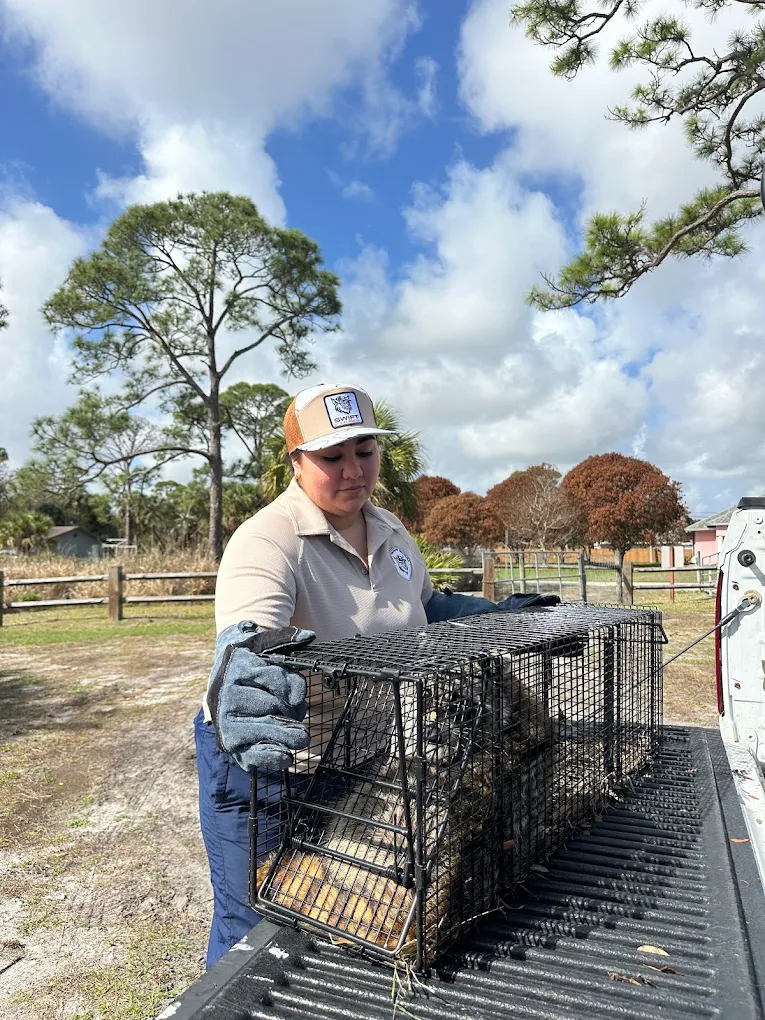
Assess
A private, complimentary survey of the whole estate — roofline, structures, grounds and shoreline — documented with photos and a written plan.
Exclude
Concealed galvanized-steel exclusion fitted to the architecture, sealing every entry without altering the look of the home.
Maintain
Optional seasonal monitoring keeps the estate ahead of denning, basking and nesting cycles — with a real person a call away, 24/7.
Guaranteed in writing — Every exclusion we install is backed by our written re-entry guarantee.
Why Orchid homeowners choose Swift
On an island this private, you don’t want a trap-and-go pest company on the property. Orchid homeowners choose Swift because we work the way the community expects — discreetly, proactively, and accountable for the whole result, season after season.
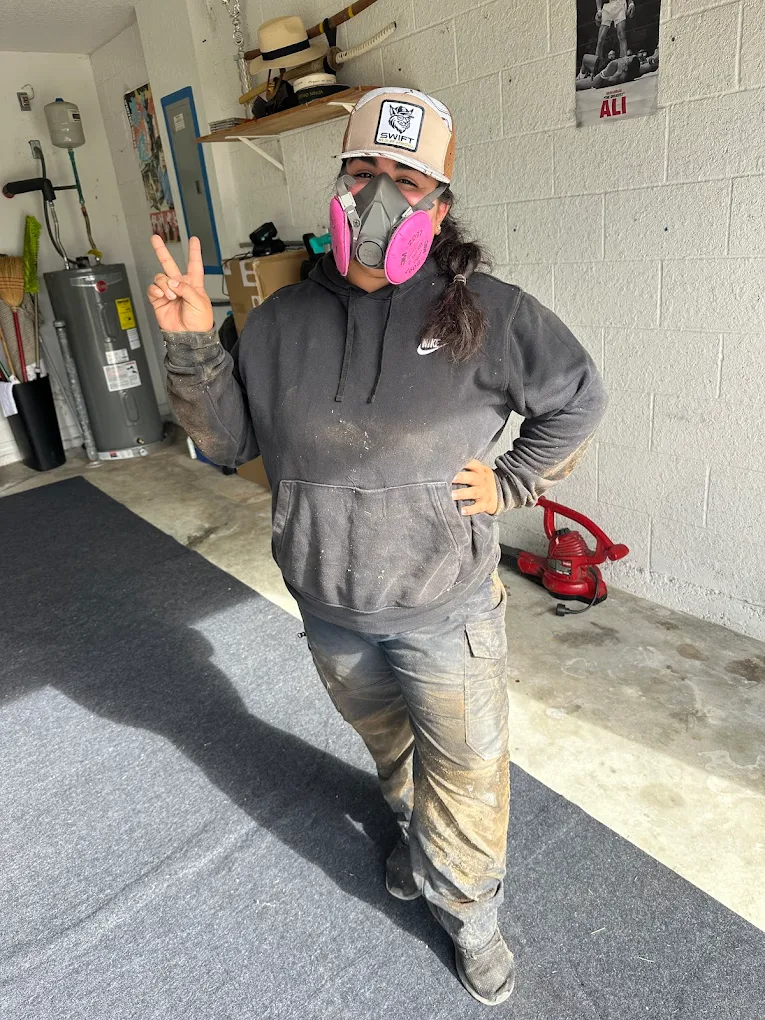
“We protect an Orchid estate the way its owner would — proactively, with care for the details, and quietly enough that you barely know we were there.”
Discreet & respectful
Uniformed, background-checked technicians who treat your home, your grounds and your privacy the way you do — and coordinate with gate staff and property managers.
Proactive, not reactive
We plan protection around the seasons and your occupancy, catching problems before they start rather than reacting after damage is done.
Genuine island expertise
We know Orchid Island’s ocean-to-lagoon grounds, its estate rooflines and how wildlife moves across a barrier island between two waters.
One accountable team
The advisor who surveys your estate oversees the removal, the exclusion and the guarantee — one relationship, start to finish, no subcontractors.
What Orchid & barrier-island
estate owners say.
⭐️⭐️⭐️⭐️⭐️ 10 Stars. Excellent service! Swift safely rescued Ursula the Raccoon and her babies. Choose Swift… you won't be disappointed!
"If you need wildlife removed the right way, call Issac! I was terrified of the raccoons sneaking around my place at night, getting into our garbage every night. Until we met Issac and his wife! They are professional, on time, and get straight to the point. Issac explained everything clearly and handled the problem fast with no stress."
"Absolutely outstanding service! The team was professional, quick, and incredibly knowledgeable. They safely removed raccoons from my property and made sure everything was secure afterward. I'm beyond impressed with their work!"
"Swift Wildlife Removal is a team of good people, very professional with removal of creatures without harming animals. They helped with raccoons in a rental property and did an excellent job! Highly recommend!"
Orchid estate wildlife management — FAQ.
Quick answers — or call us 24/7 for anything else.
What does “proactive” wildlife management actually mean for my estate? +
Is your service discreet enough for the Orchid Island community? +
We’re only here part of the year — can you look after the property while we’re away? +
Will exclusion work change the look of my roofline or landscaping? +
Do you cover both the oceanfront and the lagoon-side of the island? +
Serving the Orchid Island barrier community
Discreet, proactive estate wildlife management across the Town of Orchid — the oceanfront and lagoon-side homes of Orchid Island, near the Wabasso Beach border along the A1A corridor.
Plan your estate’s wildlife protection.
A complimentary, by-appointment survey of your Orchid estate — the roofline, the structures, the grounds and the shoreline — with a written, seasonal protection plan to remove what’s present and keep the property ahead of what’s next. A real person answers, 24/7.
- Private, by-appointment estate survey
- A documented, photographed findings report
- A written, seasonal protection plan
- Concealed exclusion, guaranteed in writing