
01
Yard maintenance
Because armadillos dig for grubs, a lawn managed to keep grub populations in check is simply less rewarding to tear up — one of the most effective long-term deterrents there is.
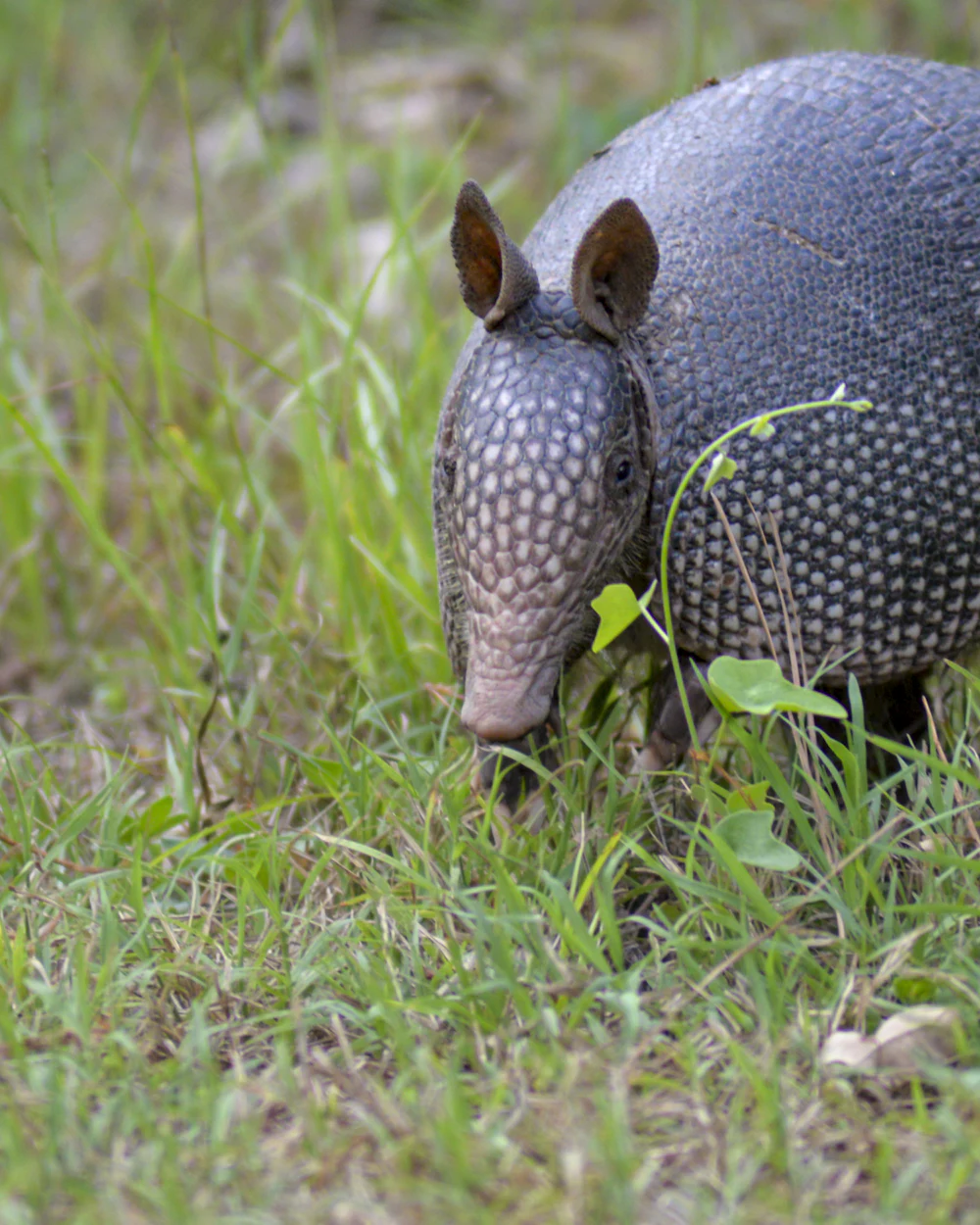
Holes across the lawn overnight, uprooted beds, a burrow right against the foundation. Armadillos dig for grubs, and a manicured, irrigated yard is exactly what they want. We trap and remove them humanely, then block the digging with buried barriers so the landscape you’ve invested in stays intact.
Your landscape, protected.
Humane removal · lasting prevention
Nearly all armadillo “damage” is really just dinner. The nine-banded armadillo is an insectivore — it lives on grubs, worms, beetles and ants, and it finds them by digging. Poor eyesight, an exceptional sense of smell, and powerful claws make it a foraging machine that works mostly after dark.
The trouble is that a beautiful yard is the perfect hunting ground. Irrigation keeps the soil soft and easy to dig, fertile lawns and beds are rich in grubs, and mulch, hedges and borders offer both food and cover. To an armadillo, a manicured landscape isn’t decoration — it’s an all-night buffet with easy digging.
They’re also committed burrowers, excavating dens along foundations, fence lines and dense cover. The result is the familiar pattern homeowners dread: cone-shaped holes across the lawn, uprooted plantings, and burrows exactly where you least want them. Understanding that behavior is the first step to protecting the yard.
A healthy lawn is a buffet of grubs, worms and beetles just below the surface.
Watered soil is easy to dig. The more manicured the yard, the easier the excavation.
Dense beds, hedges and mulch give both foraging and a route between them.
Foundations, borders and fence lines offer soft, shaded soil for a burrow.
A landscape is a real investment — designed, installed and maintained over years. Here’s what armadillo activity quietly puts at risk.
A manicured lawn can be dug into a field of cone-shaped holes overnight, undoing seasons of care.
Digging and burrowing crack lines, dislodge heads and undermine the buried system that keeps it all green.
Uprooted plantings, overturned mulch and disturbed beds turn a designed garden into a nightly excavation.
Burrows beneath patios, decks and pool decks wash out the very soil that supports them.
Fresh holes, tunnels and displaced soil across the front lawn are the first thing every visitor sees.
Left unchecked, the accumulating landscape and structural damage chips away at what your outdoor investment is worth.
Remove the animal humanely, block the digging, and plan the protection — three parts of one result that keeps the landscape intact.
An armadillo digging up the lawn and beds night after night, working across the property.
Humane trapping and removal by a specialist who reads its burrows, routes and feeding areas.
The nightly digging stops, and the animal is trapped and removed humanely.
The burrows, borders and soft edges that keep armadillos returning to the same yard.
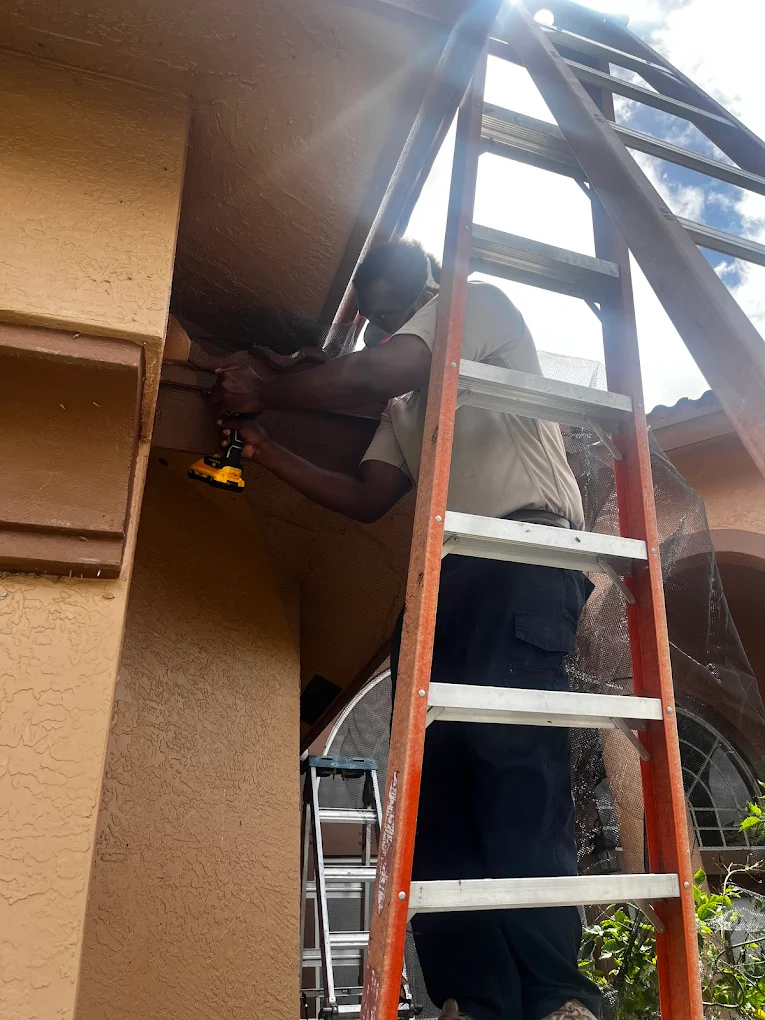
Buried barriers and fencing along foundations, gardens and fence lines built to stop digging.
A property armadillos can’t easily dig into — or burrow under.
The droppings, disturbed soil and contamination an armadillo leaves around burrows and beneath structures.
Professional cleanup, sanitization and restoration of the areas an armadillo has fouled or dug out.
A clean, sanitized property with the mess and health risk fully cleared.
Digging follows food and soft soil. These are the five zones our inspections flag first — and how each one gets protected.
Why: Irrigated turf is full of grubs and worms in soft, easy-to-dig soil. Signs: Shallow cone-shaped holes and small mounds scattered across the grass overnight.
Monitor and address the grub food source in the soil.
Why: Loose, mulched, moist soil is prime foraging — and effortless digging. Signs: Uprooted plants, displaced mulch and freshly disturbed beds.
Border barriers and dedicated bed protection.
Why: Edging, hedges and bed lines give cover and a route between foraging spots. Signs: Worn paths, holes along the edges and piles of dug soil.
Reduce dense cover and secure the border line.
Why: Soft, shaded soil against the house is ideal for a sheltered burrow. Signs: Burrow openings and displaced soil right against the foundation.
Buried exclusion barriers at the base of the structure.
Why: Consistently moist soil around heads and lines stays soft and grub-rich. Signs: Digging around heads, disturbed valve boxes and damaged lines.
Protect the zones and address the moisture-fed grubs.
“Excellent immediate professional response. Outstanding customer service, caring and an intelligent plan that allows for the humane removal of uninvited wildlife.”
“Had a great experience with them. Very professional and very knowledgeable, answering all my questions. Definitely would recommend!”
“Absolutely outstanding service! Professional, quick and incredibly knowledgeable. They safely removed the problem from my property and made sure everything was secure afterward.”
The best defense is a yard that isn’t worth digging up. These are the levers that quietly make the biggest difference.
Because armadillos dig for grubs, a lawn managed to keep grub populations in check is simply less rewarding to tear up — one of the most effective long-term deterrents there is.
The food source is the whole draw. Thoughtful, targeted grub and insect management removes the very reason an armadillo chooses your yard in the first place.
Reducing dense low cover, securing bed borders and rethinking the softest, most-irrigated zones makes a property meaningfully less inviting to dig.
A burrow shows up as a wide opening near a foundation, a fence line or dense cover. Spot one early and you can act before it undermines anything.
Buried barriers along foundations and gardens, plus attention to soil moisture and cover, turn a vulnerable landscape into a protected one.
Armadillos are persistent and their territories overlap, so periodic checks and a quick response keep a small return from repeating the original damage.
Straight answers on digging damage, burrows, humane removal, prevention and protecting your landscape.
Armadillo damage has a signature look: shallow, cone-shaped holes 3–5 inches wide scattered across the lawn and beds, uprooted plants, and disturbed mulch — all appearing overnight. They’re digging for grubs and insects, not eating your plants. If you’re also finding wide burrow openings near a foundation or fence line, that confirms it. An inspection removes any doubt and locates the burrows.
A well-kept, irrigated lawn is exactly what an armadillo wants — soft, moist soil that’s easy to dig, packed with the grubs and worms it feeds on. The irony is that the healthier and more manicured the landscape, the more attractive it becomes. That’s why lawn damage is the number-one reason homeowners call us about armadillos.
Yes. We use humane trapping and removal handled by a specialist who reads the animal’s burrows, routes and feeding areas rather than guessing. The armadillo is removed safely, and we work on prevention: exclusion, plus reducing whatever drew it in, so the fix holds instead of resetting in a few weeks.
They can. Armadillos dig extensive burrows, and they often choose the soft, shaded soil right against foundations, patios, driveways and pool decks. Over time that burrowing can erode soil, undermine slabs and create structural concerns — which is why addressing a burrow near the structure early is worth doing promptly.
Prevention combines exclusion and removing the attraction. We install buried barriers along foundations, gardens and vulnerable borders so digging and burrowing are blocked, and we advise on the grub food source, soil moisture and cover that made the yard appealing. Pairing removal with that exclusion is what turns a fix into a lasting result.
In most cases, yes. Once the digging stops, minor holes can be filled and reseeded and beds restored, and the lawn recovers with normal care. The key is acting before the damage becomes extensive — the longer an armadillo works a property, the more restoration it takes, which is another reason early removal pays off.
Yes — a few things help a lot: keeping grub populations in check, being mindful of over-watering that keeps soil soft, reducing dense low cover and mulch depth in problem areas, and securing bed borders. We’ll point out the specific attractants on your property during the inspection so your efforts are targeted where they matter.
We answer live and schedule inspections promptly, because armadillo damage compounds night after night — the sooner we assess it, the less restoration it takes. Reach out and we’ll get you on the schedule and let you know what to watch for in the meantime.
They’re not aggressive and generally avoid people and pets, so the main concern is property damage rather than safety. As with any wild animal, it’s best not to handle them directly. We take care of the removal so there’s no need for you or your pets to interact with the animal at all.
Armadillos are persistent and their range overlaps with others, so a property that’s attractive tends to stay a target — one may move on only for another to find the same soft, grub-rich soil. Professional removal plus exclusion addresses both the animal and the reason it came, which is what protects your landscape investment for the long term.

Every night of digging is more to restore. Call now and we’ll help you get ahead of it — there’s no form to fill out.
Open 24 hours · 7 days a week · 24/7 emergency line
Dedicated local pages for every community we serve — same humane methods, licensed & insured, same-day response.