






24/7 Emergency Wildlife Removal
Swift Wildlife Removal
Sebastian, FL · Indian River County

Wildlife Removal in Sebastian — Riverfront & Lagoon Protection

A working-waterfront town wrapped in water — the St. Sebastian River, the Indian River Lagoon and the inlet on three sides, the sprawling canal-front Highlands and preserve on the fourth. That is a lot of wildlife pressure on a home. We remove what has moved in and seal the way it got there.

(772) 227-1522 · answered live, 24/7
Swift Wildlife technician working on a wildlife removal at a Treasure Coast waterfront property
Serving Sebastian, FL ★★★★★
01
St. Sebastian River
preserve & headwaters
02
Sebastian Highlands
canal grid & woodland lots
03
Indian River Lagoon
estuary & seawalls
04
Sebastian Inlet
working waterfront
Same-day service Humane & state-licensed Written re-entry guarantee Live answer 24/7
Wildlife & Waterways

A town built on the water — and so is its wildlife

Sebastian is not a subdivision with a retention pond. It is a genuine estuary town: the St. Sebastian River drains preserve land from the north, the Indian River Lagoon runs its whole eastern edge, and the inlet cuts through to the Atlantic. Every one of those waters is a highway for wildlife, and the canals of the Highlands carry that traffic right up to the back of the house. Understanding which water feeds which animal is the whole job here.

Waterfront and canal landscape typical of Sebastian, FL
  • St. Sebastian River & Preserve

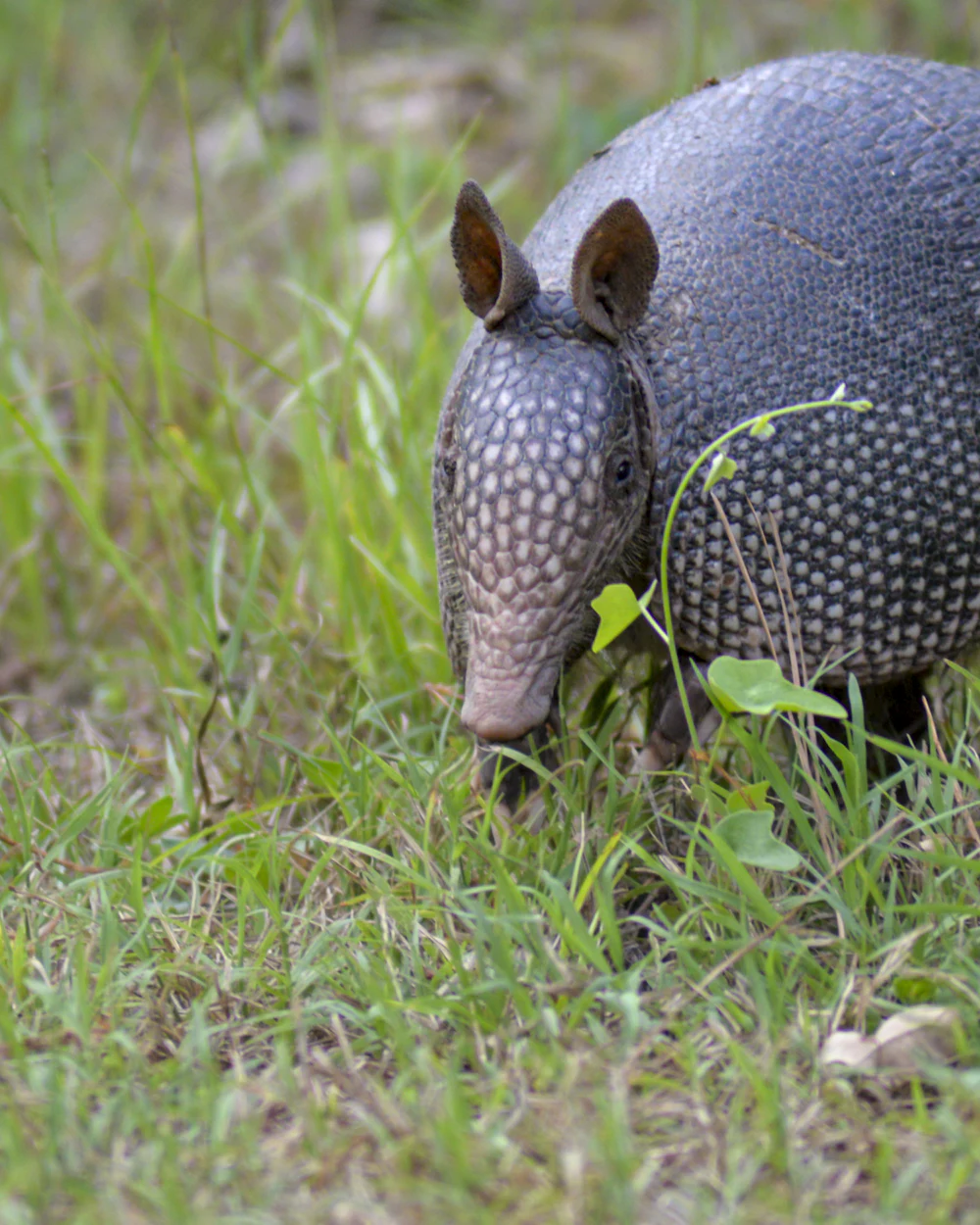
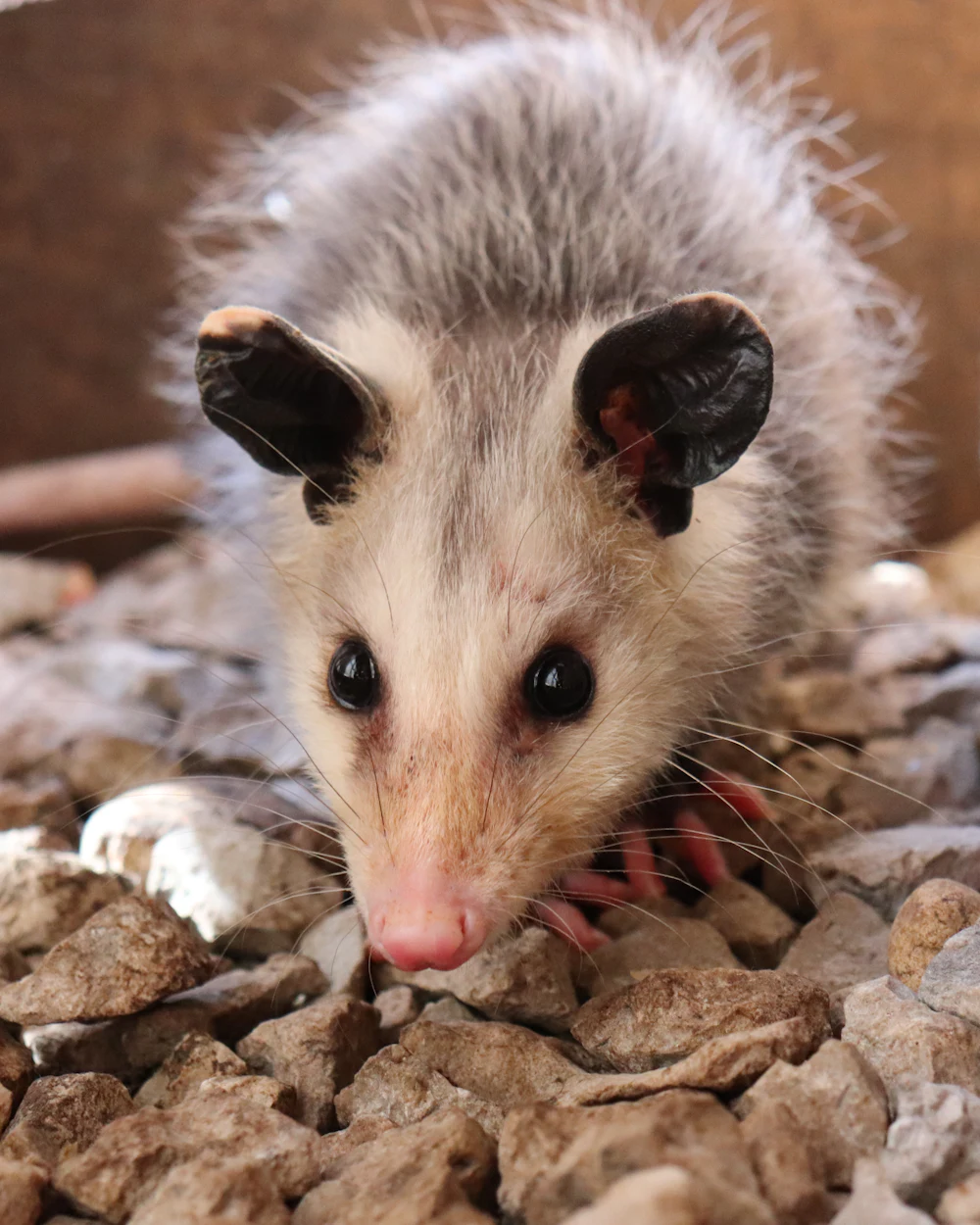
    The 22,000-acre preserve and its river keep raccoons, armadillos, opossums and snakes — including venomous species — abundant right at the town’s inland edge.

  • Indian River Lagoon

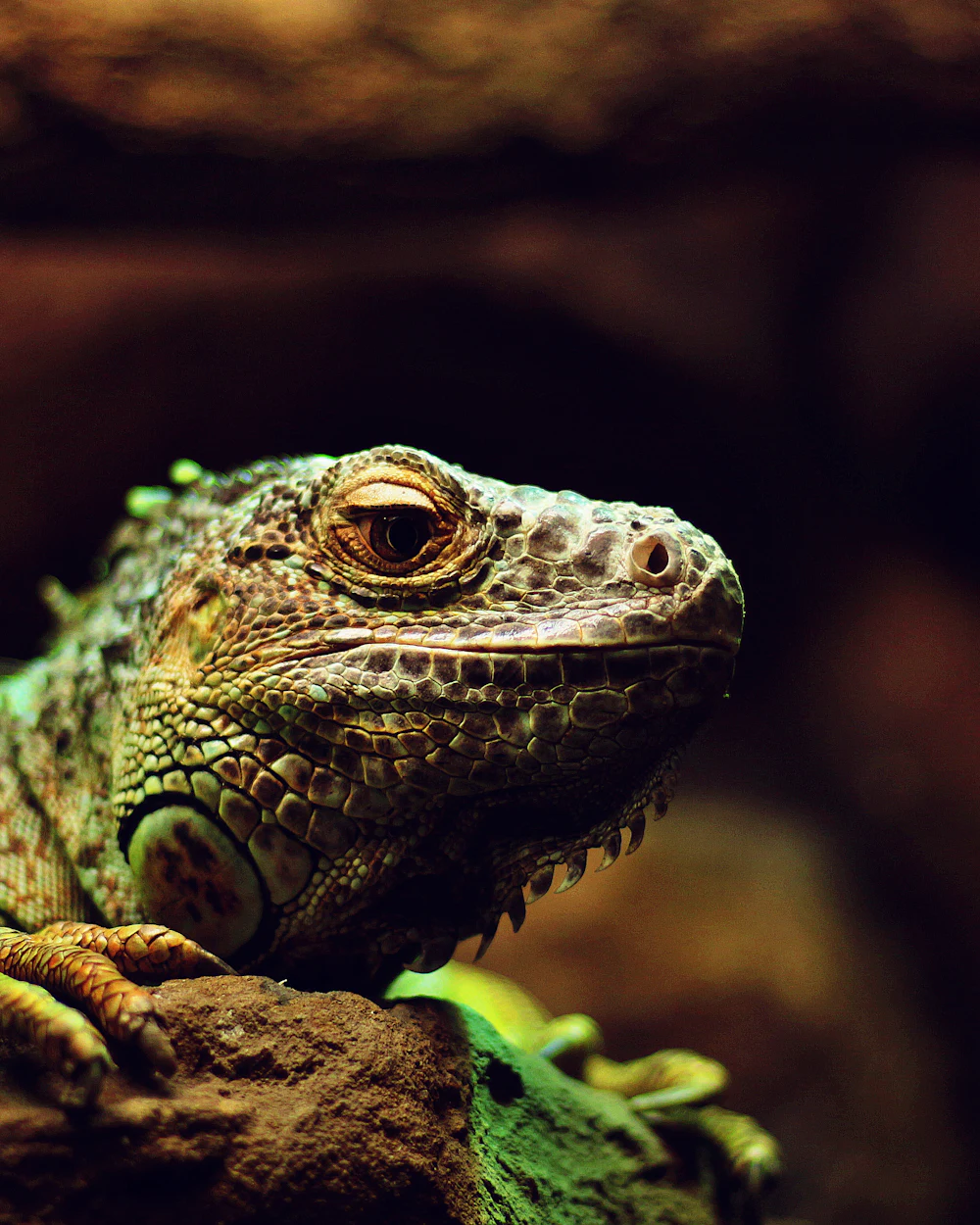
    One of North America’s most biodiverse estuaries. Its seawalls, docks and mangrove edges bring iguanas, snakes and rodents onto lagoon-front lots.

  • Sebastian Highlands canal grid

    Thousands of homes on interior canals. The canals are travel corridors — raccoons swim them, snakes hunt the banks, rodents work the seawalls.

  • Sebastian Inlet & waterfront

    The historic fishing waterfront and inlet parkland keep rodents and raccoons around bait, docks and outbuildings year-round.

  • Pelican Island refuge

    America’s first national wildlife refuge sits just offshore. Protected land all around Sebastian means wildlife numbers stay high — permanently.

Neighborhood Index

The Sebastian neighborhood wildlife index

Not every part of town faces the same pressure. Where your home sits — against the woodland preserve, on an interior canal, or out toward the lagoon — changes which animals test it first. This is what we see across Sebastian.

Sebastian Highlands

Canal & woodland lots

  • Snakes
  • Raccoons
  • Armadillos
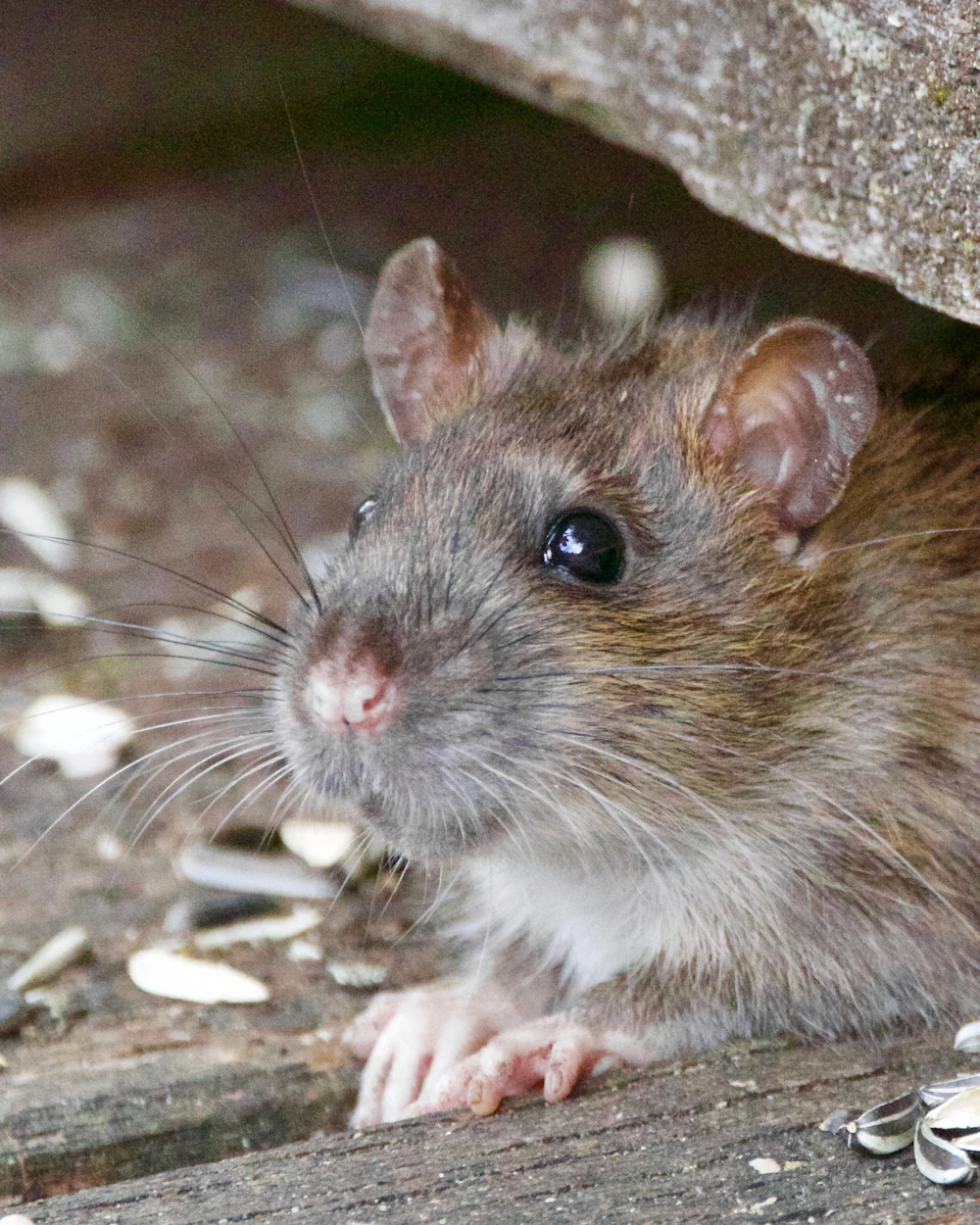
  • Rodents

Barber Street corridor

Established interior homes

  • Raccoons
  • Rodents
  • Opossums
  • Snakes

Park Place

Compact residential

  • Rodents
  • Opossums
  • Raccoons
  • Bats

Pelican Island area

Lagoon-front & mangrove edge

  • Iguanas
  • Snakes
  • Raccoons
  • Rodents

Roseland border

Riverside & wooded

  • Snakes
  • Armadillos
  • Raccoons
  • Opossums

Dots show how routinely we get calls for each animal in that area — one dot occasional, three dots a leading call. It is a field observation from local work, not a guarantee for any single street.

Conflict Zones

Where wildlife and Sebastian homes collide

On a waterfront lot the conflict almost always happens in the same six places. Knowing them is how you spot a problem early — and how a real inspection is different from a walk-around.

01

Roofline, soffits & gable vents

The tree-facing side of Highlands homes takes the most damage — raccoons and rats climb oak and cabbage-palm limbs to a soft fascia board and pry in.

02

Attic & wall voids

Once past the soffit, the attic becomes a warm, dry den for a raccoon litter, a roof-rat colony or a bat roost — directly above your ceiling.

03

Lanai & pool cage

Screen enclosures trap warmth and frogs, drawing snakes to the track and rats to the cage framing along the canal side of the house.

04

Seawall & canal edge

The seawall is a wildlife sidewalk. Snakes hunt the bank, rodents nest in the rip-rap, and iguanas burrow the slope until it slumps.

05

Shed, dock & woodpile

Outbuildings and dock boxes near the water are prime harborage — the first place we check for snakes, opossums and rodent runs.

06

Landscape & mulch beds

Sea grape, dense foundation plantings and mulch against the slab give snakes and armadillos cover to work right up to the wall.

Risk Self-Check

Rate your own property in two minutes

Walk your lot with this list. Each item you can check is one more reason wildlife is testing your home — and the more that cluster near the water, the sooner it pays to have us look. No sign-up, no email; just an honest read on where you stand.

Group 1

Around the water

  • A canal, the river or the lagoon touches or borders your lot
  • A seawall, dock or boat lift with gaps, rip-rap or a hollow cap
  • A screen enclosure or lanai on the water-facing side
  • Mangrove, sea grape or dense vegetation at the shoreline
Group 2

On the structure

  • Soffits, fascia or vents that are older, soft or already patched
  • Tree limbs or palm fronds touching or overhanging the roof
  • Noises — scratching, thumping or chirping — in the attic or walls
  • A gap under the garage door, gable vent or roofline you can see daylight through
Group 3

In the landscape

  • Woodpiles, sheds or debris stacked near the foundation
  • Mulch beds, thick shrubs or ground cover against the slab
  • Cone-shaped diggings in the lawn or burrows beside the house
  • Backing onto the preserve, a wooded lot or an undeveloped canal end

Your score Checked three or more — especially any in the “around the water” group? That is a property worth a free inspection before nesting season.

Book my free inspection
Lagoon-to-Attic

How an animal gets from the lagoon to your attic

Wildlife does not appear in your ceiling. It arrives along a path — and every step of that path is one you can break. This is the route we trace on nearly every Sebastian job.

  1. 1
    Water

    It starts at the water

    The river, lagoon and canals carry raccoons, snakes and rodents through town. Protected preserve and refuge land keeps their numbers high and steady.

  2. 2
    Bank

    It follows the seawall and bank

    The shoreline is a corridor. Animals move along the seawall, rip-rap and canal bank, testing docks, sheds and enclosures as they go.

  3. 3
    Yard

    It works the yard for cover

    Mulch beds, woodpiles, sea grape and dense plantings give a snake, armadillo or opossum cover to reach the foundation unseen.

  4. 4
    Roofline

    It climbs to the roofline

    Oak and cabbage-palm limbs put a raccoon or roof rat on the roof, where a soft soffit or open vent is the last barrier left.

  5. 5
    Attic

    It dens in the attic

    Inside, the warm attic becomes a nursery or roost — and it returns to that exact spot until the entry is sealed and the scent removed.

Prevention Hub

The four ways to keep wildlife out for good

Removal is the emergency; prevention is the cure. On a Sebastian property, long-term protection comes down to four fronts — and we address all four on every exclusion we do.

Front 1

Seal the roofline

Steel-reinforce soffits, fascia, gable and roof vents on the tree- and water-facing sides — the surfaces animals actually attack — so climbers lose the way in.

Front 2

Manage the waterline

Close seawall caps and rip-rap voids, screen dock boxes and enclosures, and clear shoreline harborage so the bank stops being a highway to the house.

Front 3

Control the prey base

Knock down the rodents, frogs and insects that draw snakes and predators, and secure trash and pet food so nothing is worth crossing the yard for.

Front 4

Break the cover & canopy

Trim limbs and fronds off the roof, lift shrubs off the ground, and open up mulch and woodpiles so wildlife has no shaded route to the wall.

Resource Center

Your Sebastian homeowner resource center

A few quick-reference guides for living well on the water. Practical, local, and honest about what you can handle yourself versus when to call.

Seasonal

The Sebastian wildlife calendar

What tends to move, and when, on a north-county waterfront lot:

  • Late winter–spring: raccoon litters claim attics
  • Spring–fall: peak snake activity off the preserve
  • Warm months: roof rats climb, armadillos dig
  • Cool days: snakes bask midday on drives and slabs
Tonight

Found something after dark? Do this

A calm, safe first response before we arrive:

  • Keep people and pets back — do not corner or handle it
  • If it is a snake, photograph from a safe distance for ID
  • Contain a room by closing interior doors, not by chasing
  • Call us — a real person answers, live, 24/7
Know

Know your Sebastian snakes

Most are harmless natives doing pest control — but this is genuine venomous country:

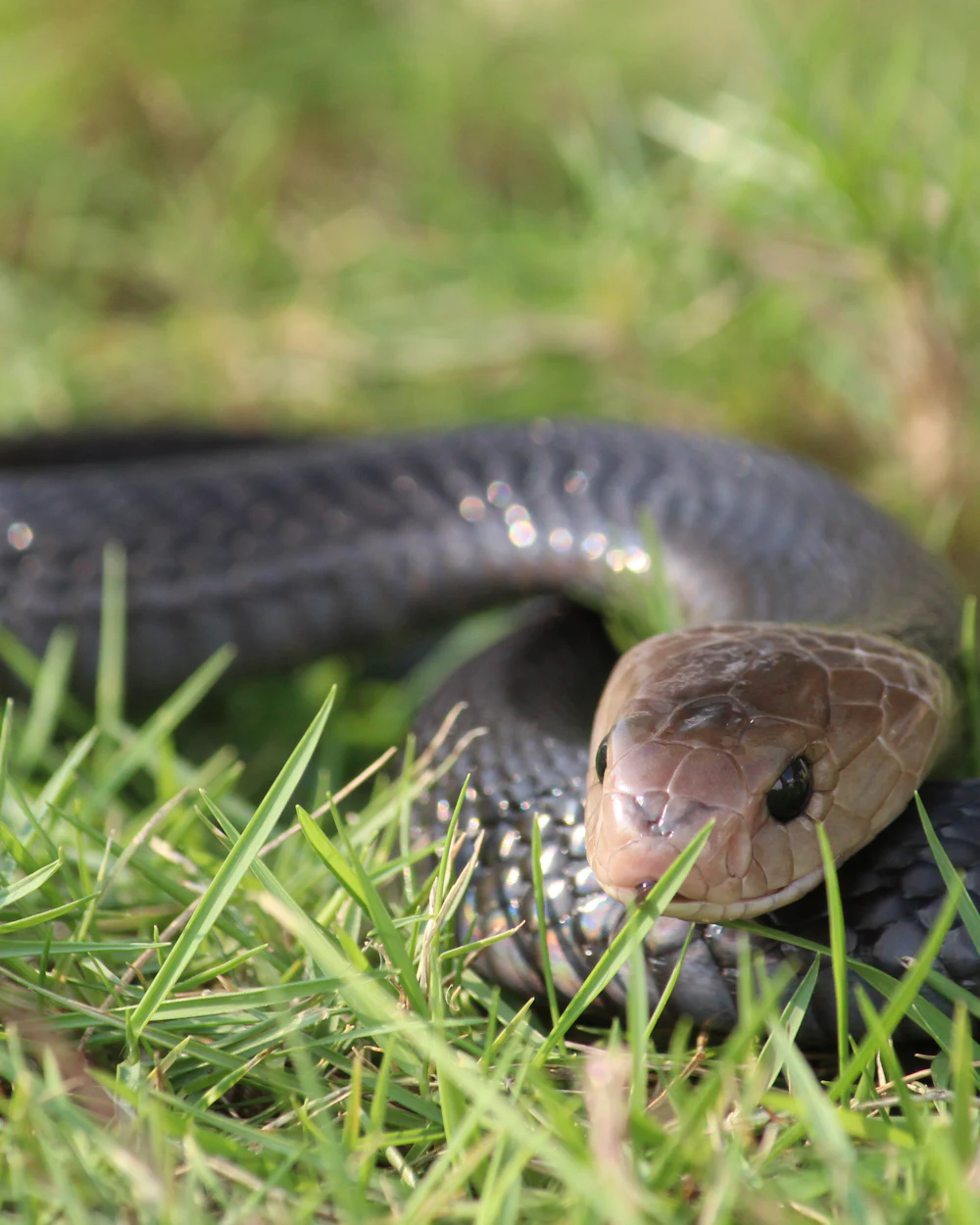
  • Southern water snakes are constantly mistaken for cottonmouths
  • Diamondbacks & pygmy rattlers live in the preserve country
  • Cottonmouths favor the canal and river banks
  • Never assume — we identify before anyone reacts
Why Swift

Why Sebastian homeowners call Swift first

National franchises route you through a call center and “per-animal” pricing. Local outfits trap and leave. We do the whole job — remove, reunite, seal and warranty — and we do it on waterfront homes every week.

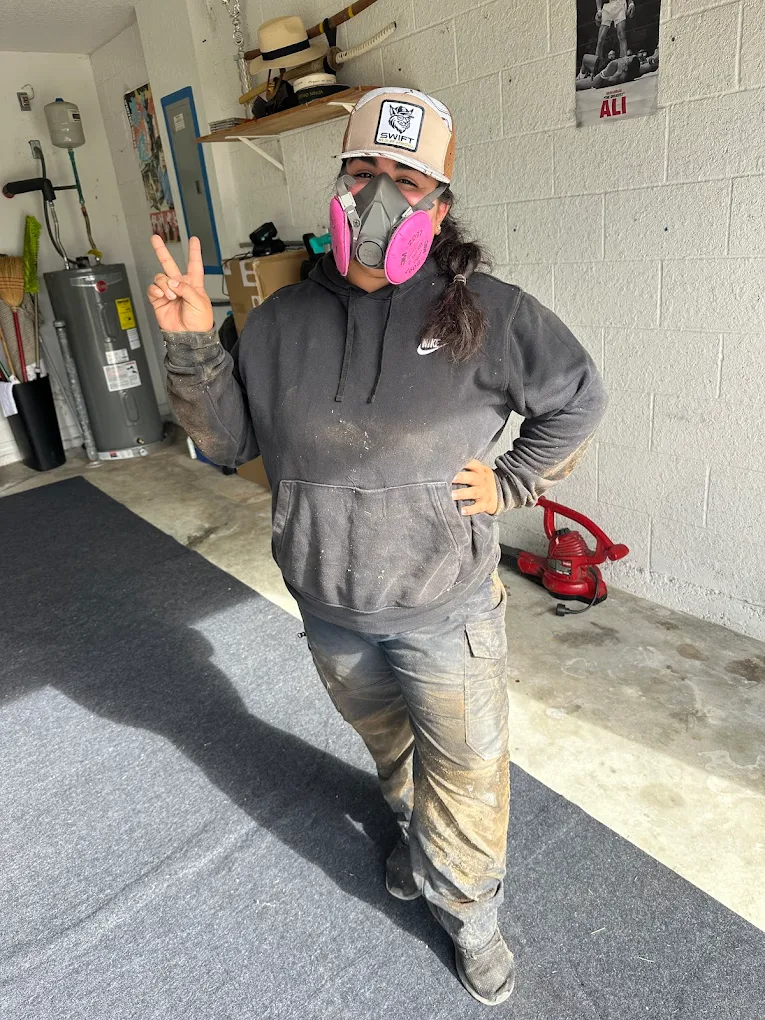
The Swift Wildlife team that serves Sebastian and Indian River County

“Living near Pelican Island and the preserve means enjoying the wildlife outdoors — not hosting it in your attic.”

We finish the job, not just the trapping

Anyone can set a cage. We remove the animal humanely, reunite mothers with young, clean the den, and seal the entry so it does not come back — one accountable crew, start to finish.

We know waterfront homes

Seawalls, canals, lanais and lagoon-front soffits are our normal Tuesday. We read a Sebastian lot for how water and wildlife actually move across it.

Humane and state-licensed

Every removal follows Florida and FWC standards. Non-venomous natives are relocated; venomous species are handled to safety code — no cruelty, no shortcuts.

Written guarantee, upfront price

Free inspection, a written estimate before any work, and a written re-entry guarantee on every exclusion. You know the plan and the price before we start.

24/7
Live local answer
Same-day
Standard response
100%
Humane & licensed
Reviews

What Sebastian & Indian River County
owners say.

5
★★★★★
on Google
Based on 85+ verified reviews
Read all reviews on Google →
"

⭐️⭐️⭐️⭐️⭐️ 10 Stars. Excellent service! Swift safely rescued Ursula the Raccoon and her babies. Choose Swift… you won't be disappointed!

S
Selina Wiggins
Port St. Lucie, FL
★★★★★

"If you need wildlife removed the right way, call Issac! I was terrified of the raccoons sneaking around my place at night, getting into our garbage every night. Until we met Issac and his wife! They are professional, on time, and get straight to the point. Issac explained everything clearly and handled the problem fast with no stress."

Diamond Fowler · Fort Pierce
★★★★★

"Absolutely outstanding service! The team was professional, quick, and incredibly knowledgeable. They safely removed raccoons from my property and made sure everything was secure afterward. I'm beyond impressed with their work!"

Yuriana Escalera · Stuart
★★★★★

"Swift Wildlife Removal is a team of good people, very professional with removal of creatures without harming animals. They helped with raccoons in a rental property and did an excellent job! Highly recommend!"

Norma Ramirez · Port St. Lucie
FAQ

Sebastian wildlife removal — FAQ.

Quick answers — or call us 24/7 for anything else.

Do you cover the whole Sebastian Highlands, including the far canal streets? +
Yes — the entire Highlands, from the woodland-edge lots to the interior canal streets, plus Barber Street, Park Place, the Pelican Island area and out to the Roseland border. The Highlands is where the bulk of our Sebastian work is, so we know how the canals and preserve edge drive the wildlife pressure street by street.
We are seasonal residents — can you inspect and protect the house while we are away? +
Absolutely, and it is one of the smartest things a snowbird can do. An empty, quiet house on the water is exactly what wildlife looks for. We inspect, remove anything that has moved in, seal the entries, and can check the property on a schedule so you do not return to a den in the attic.
Is it really more of a wildlife problem here because of the refuge and preserve? +
Yes and no. Pelican Island and the St. Sebastian River Preserve do keep wildlife numbers permanently high around town — that will not change, and honestly it is part of why people love it here. What we change is whether that wildlife is living in your structure. We remove what is inside and seal the home so you get the refuge without hosting it.
How fast can you get to a waterfront property in Sebastian? +
Same-day service is standard across Sebastian, and for an urgent situation — a snake inside, a raccoon in the nursery ceiling — our response is typically under an hour. A real person answers the phone, live, any hour, including nights and weekends.
What does it cost, and is the inspection really free? +
The inspection is genuinely free, with no obligation. Removal and exclusion are quoted on-site after we see the situation, the number of entry points, and any seawall or cleanup work involved. You get a written estimate before any work begins — no per-animal surprises.
Service Area

Serving every corner of Sebastian

Same-day wildlife removal from the Sebastian Highlands and Barber Street to Park Place, the Pelican Island area and the Roseland border — river, lagoon, inlet and canals included.

Sebastian Highlands Barber Street Park Place Pelican Island area Roseland border
Waterfront property protection

Protect your place on the water.

A free, on-site inspection of your Sebastian property — the roofline, the attic, the lanai, and the seawall and canal edge — with a written plan to remove what is there and seal it out. A real person answers, 24/7, including emergencies.

  • Free, same-day on-site inspection
  • Waterfront-specific removal & exclusion plan
  • Written estimate before any work begins
  • Backed by a written re-entry guarantee
Call us · 24/7
(772) 227-1522
Tap to call · 24/7 (772) 227-1522
or send a request
Where Is The Animal?

🔒 Your info is private. No spam, ever.