
Raccoons
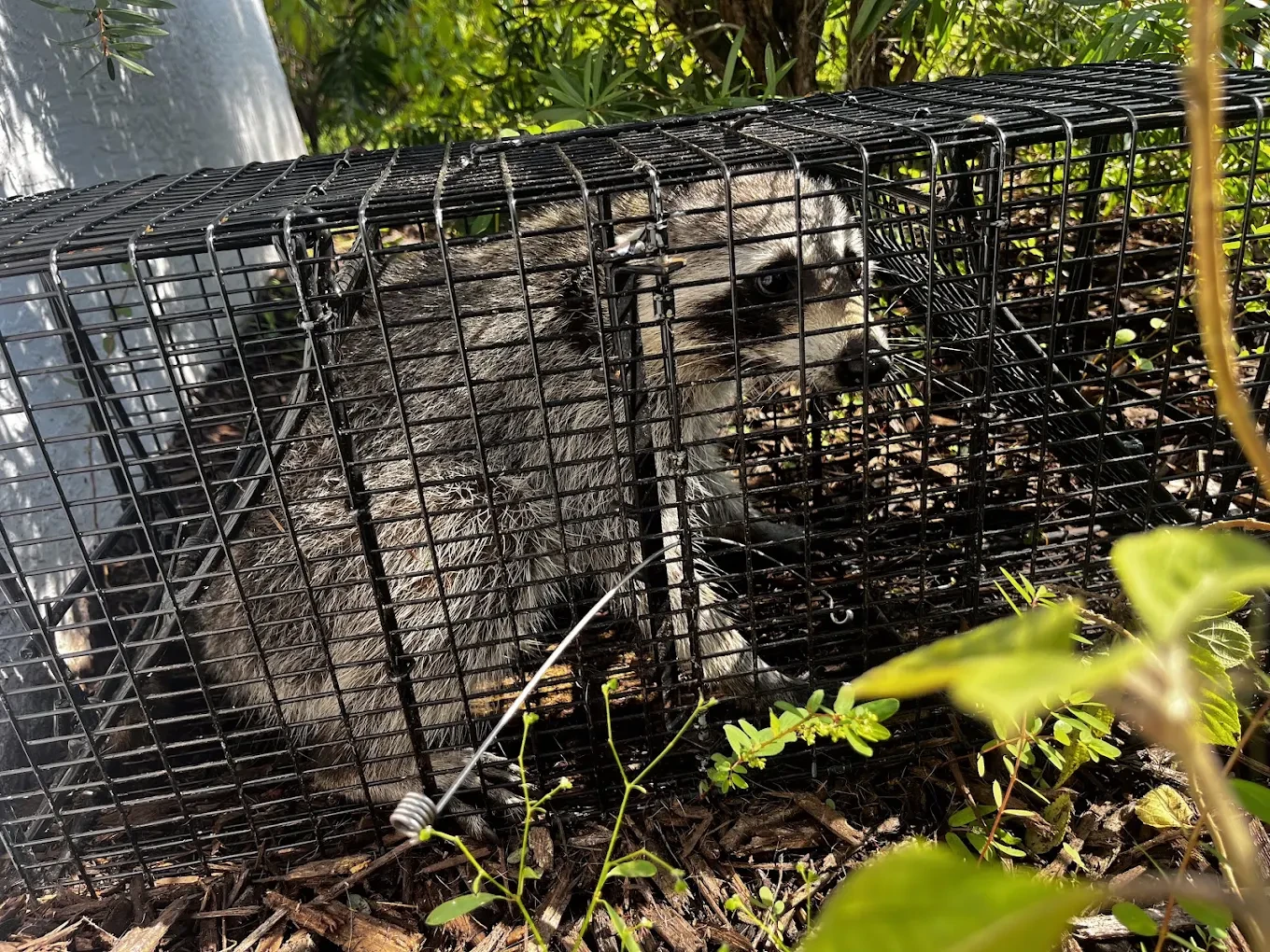
Work the canal edges and tree pockets at night, then den a litter in a warm attic reached through a soft soffit or vent.
Tell Heavy thumping overhead
Florida Ridge is a populous mainland community just south of Vero Beach — a suburban grid threaded with relief canals, retention ponds and pockets of pine and oak. Homes here sit right along the edge where the neighborhood meets that green, and wildlife crosses the boundary nightly. This is a homeowner’s field guide to reading your property line and keeping the crossing on your terms.

Relief-canal grid
Remnant flatwoods
Single-family grid
Between-lot low ground
Florida Ridge isn’t bordered by one big preserve — it’s laced with dozens of small ones. Relief canals and retention ponds run between the streets, remnant pockets of pine flatwoods and oak hammock survive on undeveloped lots, and grassy swales carry water and cover along every block. The result is a suburban grid with an unusually long boundary between houses and habitat.
That long edge is the whole story of wildlife here. Raccoons, roof rats, armadillos and opossums don’t travel far to reach a Florida Ridge home — the canal bank, the tree pocket and the swale are already at the property line. Understanding those features is the first step in keeping what lives in them out of your attic and yard.
The canal grid and retention ponds hold water, frogs and rodents year-round — a moving corridor that carries snakes, iguanas and raccoons between blocks.
Remnant flatwoods and oak hammock on undeveloped lots give roof rats a climbing route and raccoons and opossums daytime cover a short hop from the houses.
The low, damp swales between properties stay grub-rich and drain slowly, drawing armadillos to root and providing a hidden ground path across the neighborhood.
A wide mix of older single-family homes offers soft soffits, aging vents and open sheds — the built side of the boundary, full of ready entry points.
Every Florida Ridge lot sits somewhere along the same gradient — from the wild source out back to the front door. Wildlife pressure moves across it in one direction, and reading where your home falls on that gradient is how you know what to protect first.
A canal bank, pond edge or pine-and-oak pocket where wildlife lives, breeds and feeds — the origin of everything that reaches the house.
Swales, fence lines, hedges and tree canopy that connect the source to your lot — the travel routes animals follow after dark.
Lawn, beds, sheds and the pool cage — where foraging and denning begin, and the last place to stop an animal before the structure.
Roofline, soffits, vents and foundation — the destination for a denning raccoon, a roof rat or an armadillo working the slab edge.
The closer your lot sits to a canal, pond or tree pocket, the shorter the corridor — and the sooner protection should move from the yard to the structure itself.
A boundary-zone home doesn’t face one risk — it faces a different one in each part of the property. This is the read our inspectors bring to a Florida Ridge lot: which zone, which animal, and what to watch for there.
| Property zone | Likely wildlife | Risk | What to watch for |
|---|---|---|---|
| Roofline & attic | Roof rats · raccoons | Higher | Night scratching overhead, pulled soffits, bent vents and stained insulation. |
| Yard & lawn | Armadillos · opossums | Higher | Cone-shaped rooting holes, torn swale grass and overturned mulch by morning. |
| Perimeter & foundation | Armadillos · snakes | Moderate | Burrow mouths at the slab, shed skirt or AC pad, and shed skins in cover. |
| Canal & pond edge | Snakes · iguanas | Moderate | Basking on banks and driveways, and burrows honeycombing the canal edge. |
| Sheds & decks | Opossums · raccoons | Lower | Musky odor, droppings and a grey animal ambling out from underneath at dusk. |
Levels reflect how Florida Ridge lots typically present. A free inspection sharpens the read to your specific home, its distance from water, and the pockets around it.
Six species account for nearly every call in Florida Ridge. Knowing each one’s habit — and the one sign it leaves — turns a vague “something’s out there” into a plan.
Work the canal edges and tree pockets at night, then den a litter in a warm attic reached through a soft soffit or vent.
Climb from the neighborhood trees onto the roof and slip into the attic — the dominant rodent across this established grid.
Root the moist swales and lawns for grubs by scent and burrow at foundations, sheds and AC pads — bait never works on them.
Den under decks, sheds and crawl spaces close to trash and pet food, carrying young along and leaving odor behind.
Follow frogs and rodents from the canals and tree pockets into swale grass, mulch beds and the gaps around garages.
Moderate here — concentrated on the canals and ponds, where they bask on the banks and dig burrows into the edges.
Eight boundary-zone services, each built around the same idea — remove humanely, then seal the crossing so it doesn’t reopen. Every one links to a Florida Ridge-specific page with local detail and prevention.
Humane bee & wasp removal
Humane dead animal removal
Humane animal cleanup & sanitization
Humane attic & crawlspace remediation
Humane emergency wildlife removal
Wildlife doesn’t wander a neighborhood at random — it follows cover and water, using the same predictable routes night after night. Close the route and you stop the traffic; these are the four that matter in Florida Ridge.
Overhanging limbs from the pine-and-oak pockets bridge straight onto rooflines — the most common way a rodent or raccoon reaches the attic without ever touching the ground.
Swales, hedges and fence lines form continuous cover that lets animals cross block to block unseen, denning under the first open deck or shed they reach.
The relief canals and pond banks are a linear route carrying snakes after prey and iguanas along the basking edge, right into the backyards that line them.
Foundation lines, utility penetrations and shed skirts guide animals along the base of the structure until they find the one gap that lets them in.
Because these routes converge on the house, protection works best from the outside in — trimming the canopy, clearing the corridor, then sealing the seam.
Most intrusions come through a handful of predictable weak points on an established Florida Ridge home — gaps a homeowner walks past every day. Here’s the discovery checklist our inspectors run, top to bottom.
Typical weak points on an established Florida Ridge home — numbered to the checklist.
Aging aluminum soffits and fascia gaps are the number-one raccoon and rat entry — a loose return pulls open just enough to admit a determined female.
Unscreened or corroded roof, gable and ridge vents read as open doors to climbing rodents and raccoons working the roofline.
Anywhere a limb touches the roof is a live bridge; the entry is usually within a few feet of that contact point.
Cracks, expansion joints and settled slab edges give rodents a ground-level way in and armadillos a place to start a burrow.
Gaps around AC line-sets, plumbing and cable penetrations are small, hidden and a favorite rodent route into the wall void.
Open skirting under sheds, decks and additions is the sheltered, dry space opossums and raccoons den in first.
A free inspection documents every one of these on your home with photos — so you see exactly where the boundary is open before anything is sealed.
Lasting protection on a habitat edge isn’t one fix — it’s three layers working together, from the tree line to the roofline. This is how we plan a Florida Ridge property so wildlife stays on its side of the boundary.
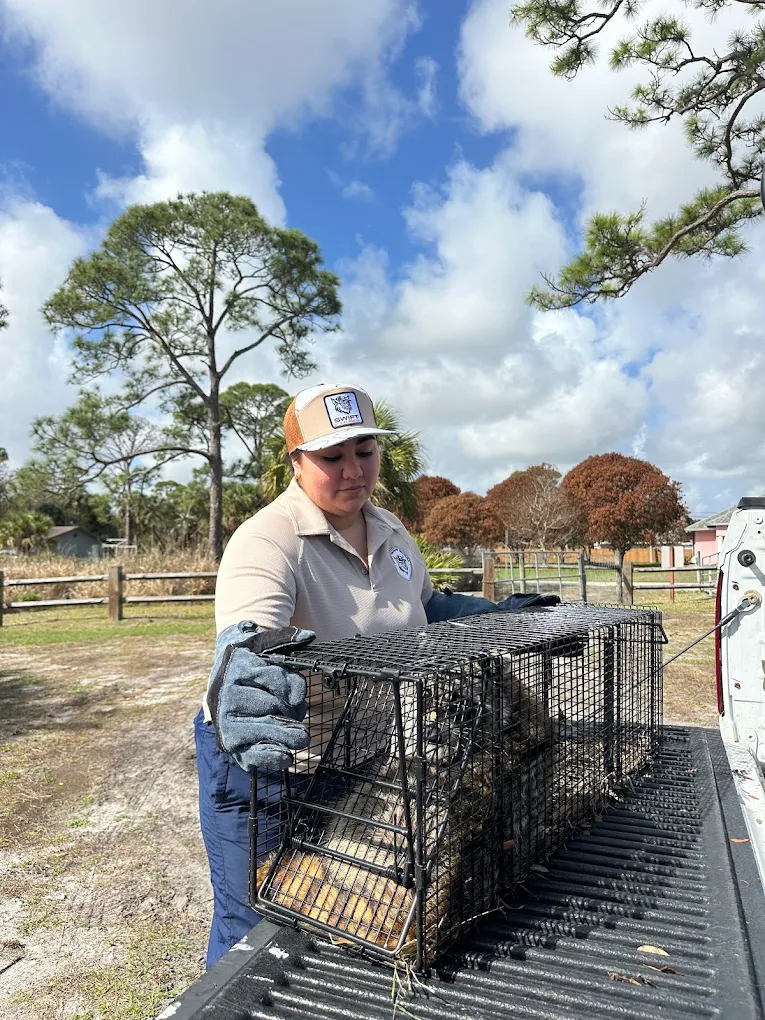
Trim canopy back from the roof, cut the ground corridor by clearing cover along fences and swales, and secure trash and pet food that draw foragers in from the pockets.
Screen vents, trench hardware cloth along foundations and shed skirts against armadillos, and close the ground-level seams before an animal ever reaches the wall.
Seal the soffits, fascia, vents and roofline with galvanized steel — the permanent close on the entries the boundary keeps pointing wildlife toward.
Guaranteed in writing — Every seal we install is backed by our written re-entry guarantee.
Prevention is mostly small, seasonal habits — the kind a good field guide would list. Four that make the biggest difference on a boundary-zone lot, straight from what we see on Florida Ridge homes.
Before the cool nights push denning raccoons and rats indoors, walk the perimeter and look up: any lifted soffit, open vent or limb touching the roof is an invitation. Fall is the window to close it.
Trapping one animal off a lot that’s still connected to the canal by unbroken cover just opens the spot for the next. Trimming limbs and clearing swale-side brush breaks the route itself.
Cone-shaped holes in the lawn and torn swale grass mean an armadillo is working your grubs. Catching it in the first week — before the burrows reach the foundation — makes removal far simpler.
From spring into summer the canals and ponds get busy with snakes hunting and iguanas basking. Keeping bank vegetation low and mulch beds tidy near the water reduces the cover that brings them into the yard.
On a habitat edge you don’t need a one-visit trap-and-go — you need a team that reads the whole boundary and closes it for good. Florida Ridge homeowners choose Swift because that’s exactly how we work: humane, thorough, and accountable for the result.
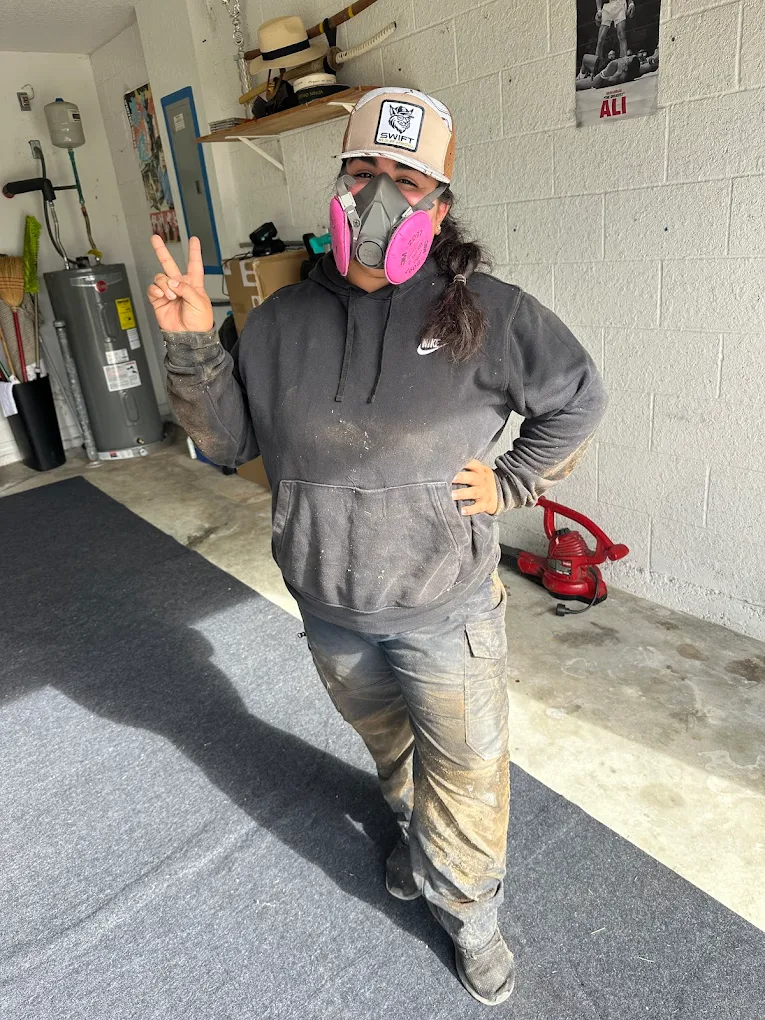
We treat a Florida Ridge home as what it is — a house on the edge of habitat — and protect the whole boundary, not just the animal you saw.
We don’t just grab the animal in the attic — we trace the canal edge, the tree pocket and the corridor that sent it, and close the route so the next one doesn’t follow.
Mothers stay with their young, native snakes and bats are handled to FWC rules, and we exclude rather than poison — the right way and the lasting way.
We know this grid — its canal banks, its pine-and-oak pockets, its established soffits and vents — from Oslo Road to the 58th Avenue corridor and the Vero Lake Estates border.
We remove, seal the entries with steel, clean what was left behind, and back the exclusion with a written re-entry guarantee — one accountable local team, start to finish.
⭐️⭐️⭐️⭐️⭐️ 10 Stars. Excellent service! Swift safely rescued Ursula the Raccoon and her babies. Choose Swift… you won't be disappointed!
"If you need wildlife removed the right way, call Issac! I was terrified of the raccoons sneaking around my place at night, getting into our garbage every night. Until we met Issac and his wife! They are professional, on time, and get straight to the point. Issac explained everything clearly and handled the problem fast with no stress."
"Absolutely outstanding service! The team was professional, quick, and incredibly knowledgeable. They safely removed raccoons from my property and made sure everything was secure afterward. I'm beyond impressed with their work!"
"Swift Wildlife Removal is a team of good people, very professional with removal of creatures without harming animals. They helped with raccoons in a rental property and did an excellent job! Highly recommend!"
Quick answers — or call us 24/7 for anything else.
Humane, prevention-first wildlife protection across Florida Ridge — the established single-family grid south of Vero Beach, from Oslo Road and the 58th Avenue corridor to the Vero Lake Estates border.
A no-obligation walk of your Florida Ridge property’s whole boundary — roofline, vents, foundation, sheds and the yard and water edge — with a photo-documented findings report and a written prevention plan to close the crossings before wildlife uses them. A real person answers, 24/7.