
Wildlife Removal in Rio — Waterfront Home Protection
Rio is a compact riverside community on the Indian River Lagoon, tucked between Jensen Beach and Stuart — older homes lined up close to the water, under a canopy of live oaks. That tight, green, waterfront layout is exactly what draws iguanas, raccoons, rodents and more toward your roofline. We protect the Rio home, and keep the lagoon’s wildlife outside it.
(772) 227-1522 · answered live, 24/7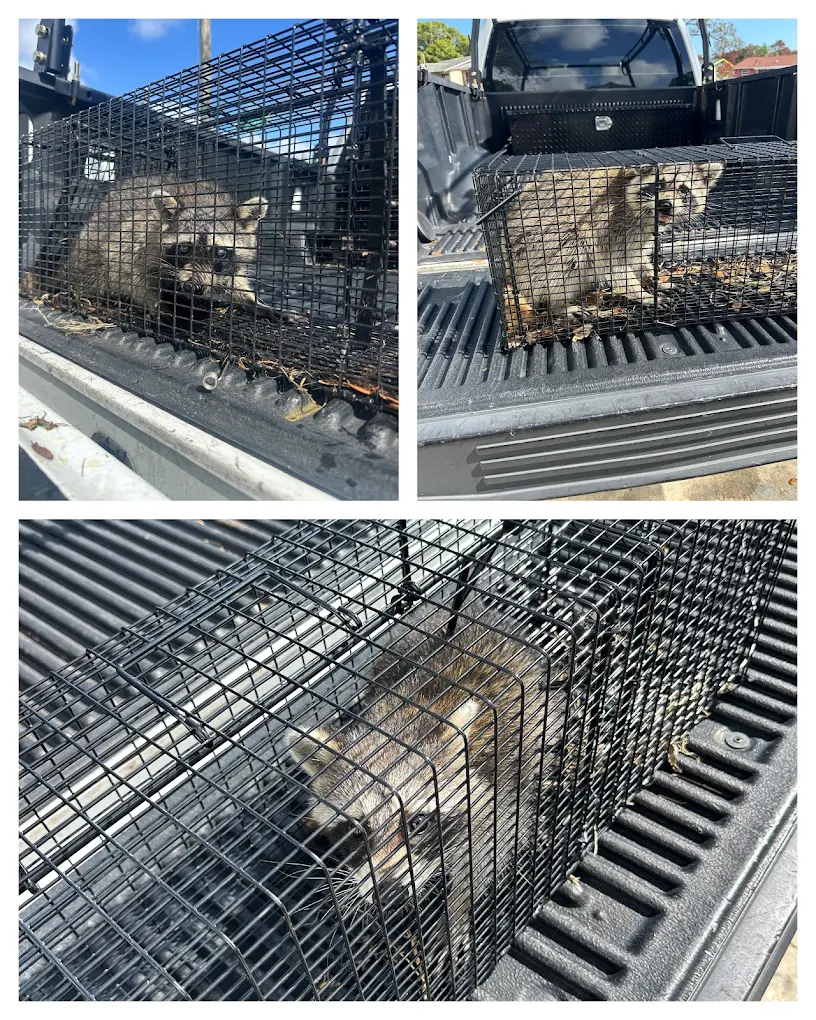
How wildlife moves through Rio
In a place as compact and green as Rio, wildlife doesn’t wander — it travels set routes. The lagoon shoreline, the live-oak canopy over the streets, and the tight run of rooflines all connect into corridors that lead animals from the water to your attic. Here’s the map of how they move, and where we break the route.
The lagoon shoreline
The lagoon edge, seawalls and mangrove banks are the main artery — iguanas bask and burrow here, and snakes and raccoons work the shoreline for food and water.
The live-oak canopy
Rio’s mature oak and tree canopy arches right over the streets and homes, giving roof rats and raccoons an elevated highway straight onto closely-spaced roofs.
The roofline run
Older homes packed close together let wildlife move roof to roof and soffit to soffit, so a den on one lot quickly becomes a problem for the whole block.
The yard & landscape edge
Irrigated beds, shoreline landscaping and the fence lines between tight lots draw armadillos to root and opossums to den right against the foundation.
A Rio wildlife-corridor map — animals move from the lagoon and canopy along connected routes to the closely-spaced rooflines. We cut the route where it reaches your home.
Local wildlife pressure zones
On a Rio property, wildlife pressure concentrates in a handful of predictable places. These are the zones our inspection works through first — and how hard each is typically pushed on an older waterfront lot.
Rooflines & soffits
Low, close roofs under the oak canopy are the easiest step-on point for raccoons and roof rats, and aging soffits on older homes are the way in.
Attics
The warm, quiet attic is the destination — the den and nest site raccoons, rats and bats work toward once a roofline gap opens.
Seawalls & shoreline
The lagoon seawall and mangrove bank are basking and burrowing ground for iguanas and a hunting route for snakes, right at the water’s edge.
Crawlspaces & under-decks
The sheltered space beneath a raised older cottage or deck is prime den ground for opossums and snakes crossing from the shoreline.
Yards & landscaping
Irrigated beds and shoreline plantings draw armadillos to root the lawn and iguanas to graze, right up against the house.
Utility penetrations
Gaps where AC line-sets, plumbing and wiring pass through the wall — aged faster by salt air — are dime-sized doors for rodents.
Waterfront home risk assessment
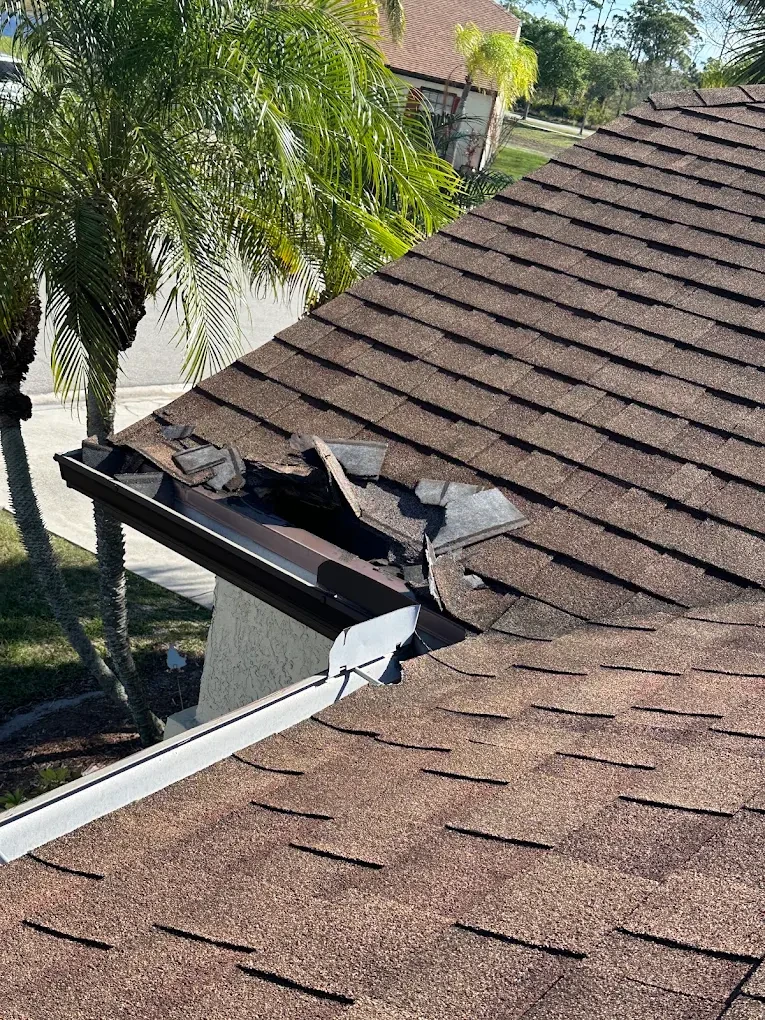
An older waterfront home carries risks a newer inland house never sees. Salt air ages the roofline faster, the water adds seawall and shoreline entry points, and the tight lot puts den sites within easy reach. Here’s what we assess on a Rio property, top to bottom.
Roof systems
Valleys, eaves and ridge lines on older, low roofs — the highway raccoons and rats travel after stepping off the oak canopy.
Attics & insulation
The interior end of the route, where denning and nesting foul insulation and gnawing threatens wiring.
Soffits, fascia & vents
Salt-aged soffits, fascia and un-screened vents are the specific openings we find and seal on a waterfront home.
Crawlspaces & foundation
Raised-cottage crawlspaces and foundation gaps that let opossums, snakes and rodents in at ground level.
Seawalls & shoreline
Seawall voids and lagoon-bank burrows that iguanas and armadillos dig, undermining the structure.
Utility penetrations
The dime-sized gaps around line-sets, plumbing and wiring that rodents exploit even on tidy homes.
Featured wildlife removal services
Every Rio wildlife problem has its own dedicated local page — how the animal behaves on a compact waterfront lot, the damage it does, and exactly how we remove and seal it out. Choose the one you’re facing.
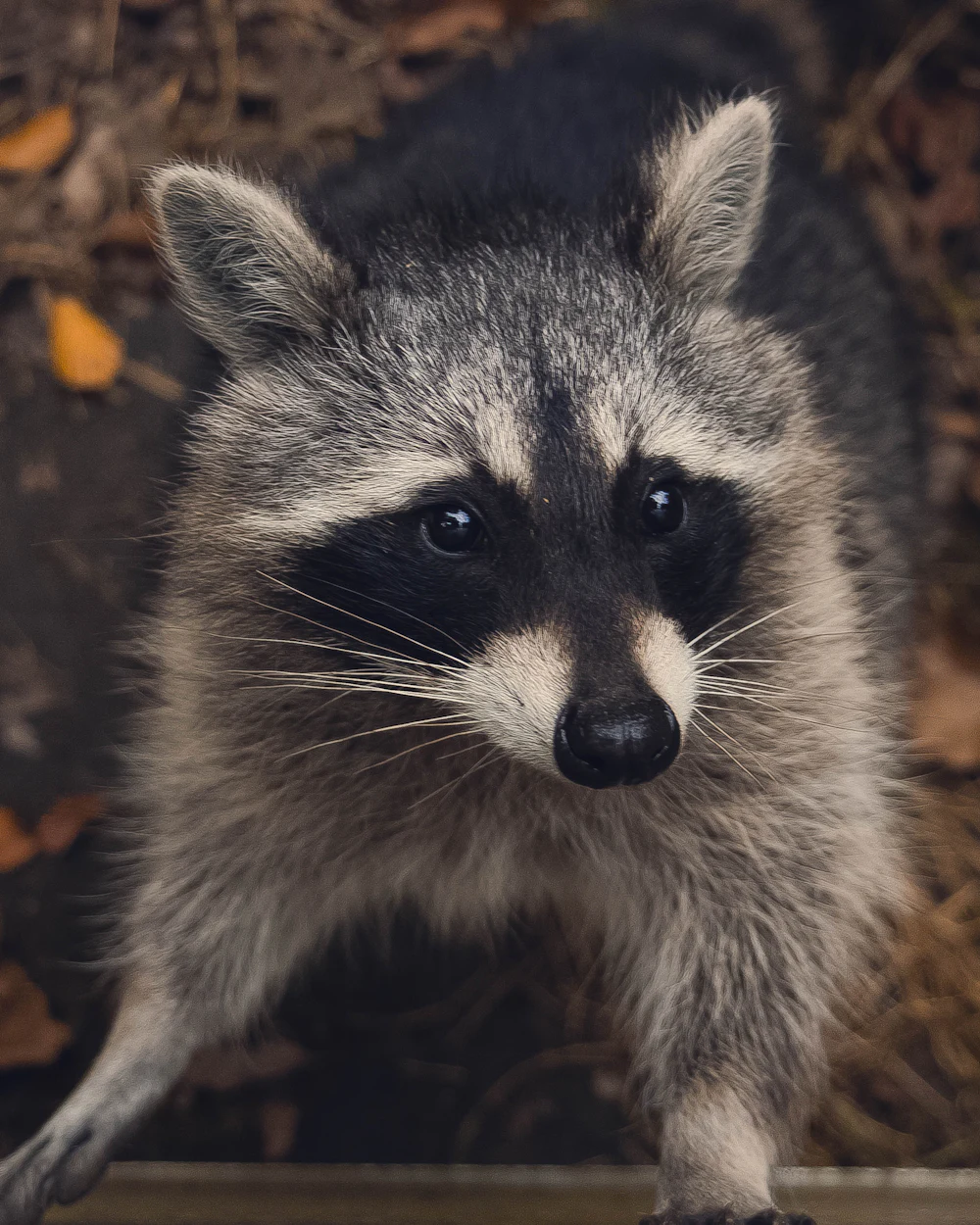
Raccoon Removal
Attic intrusions on older waterfront homes
View service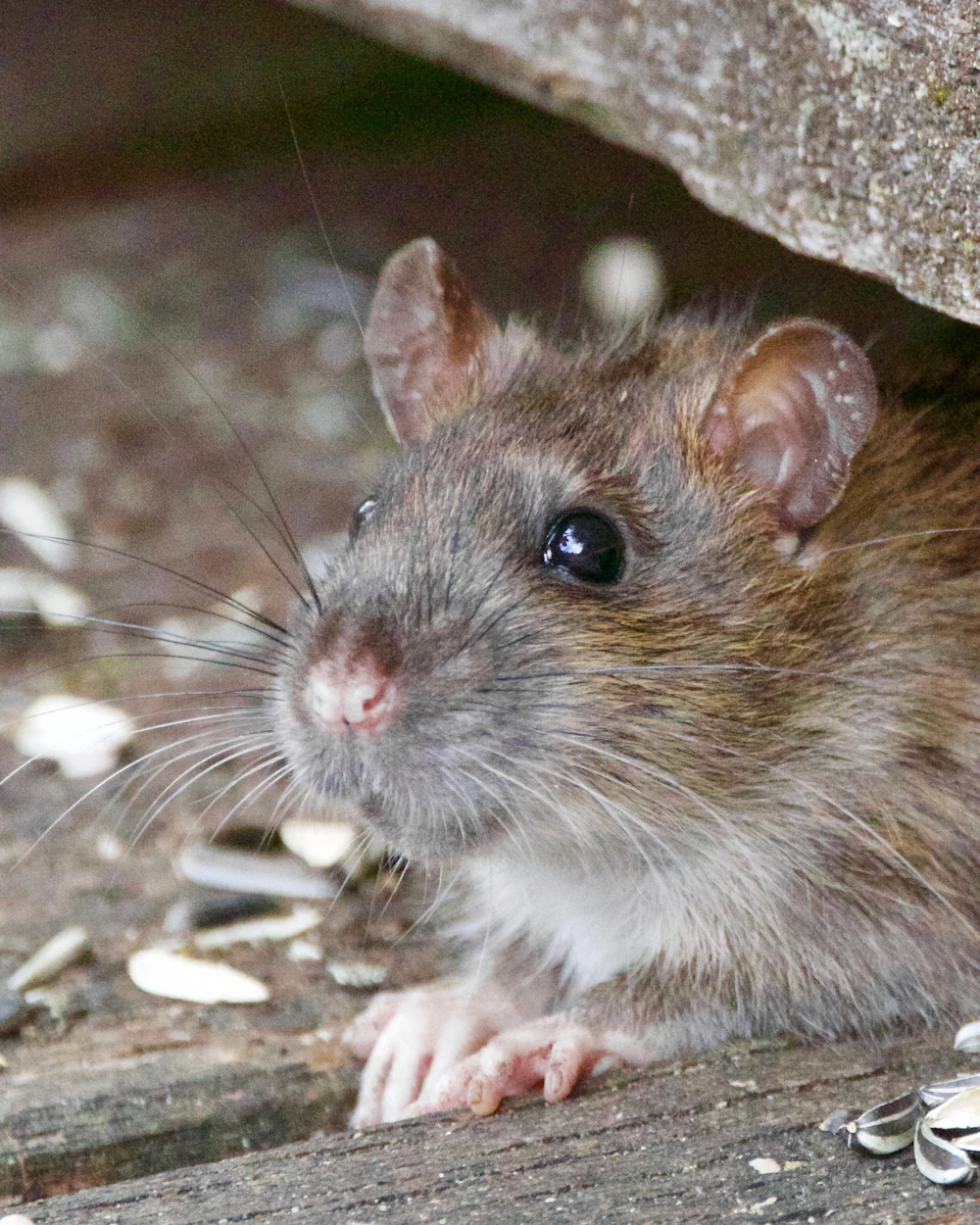
Rat, Mouse & Rodent Control
Roof rats off the canopy & attic contamination
View service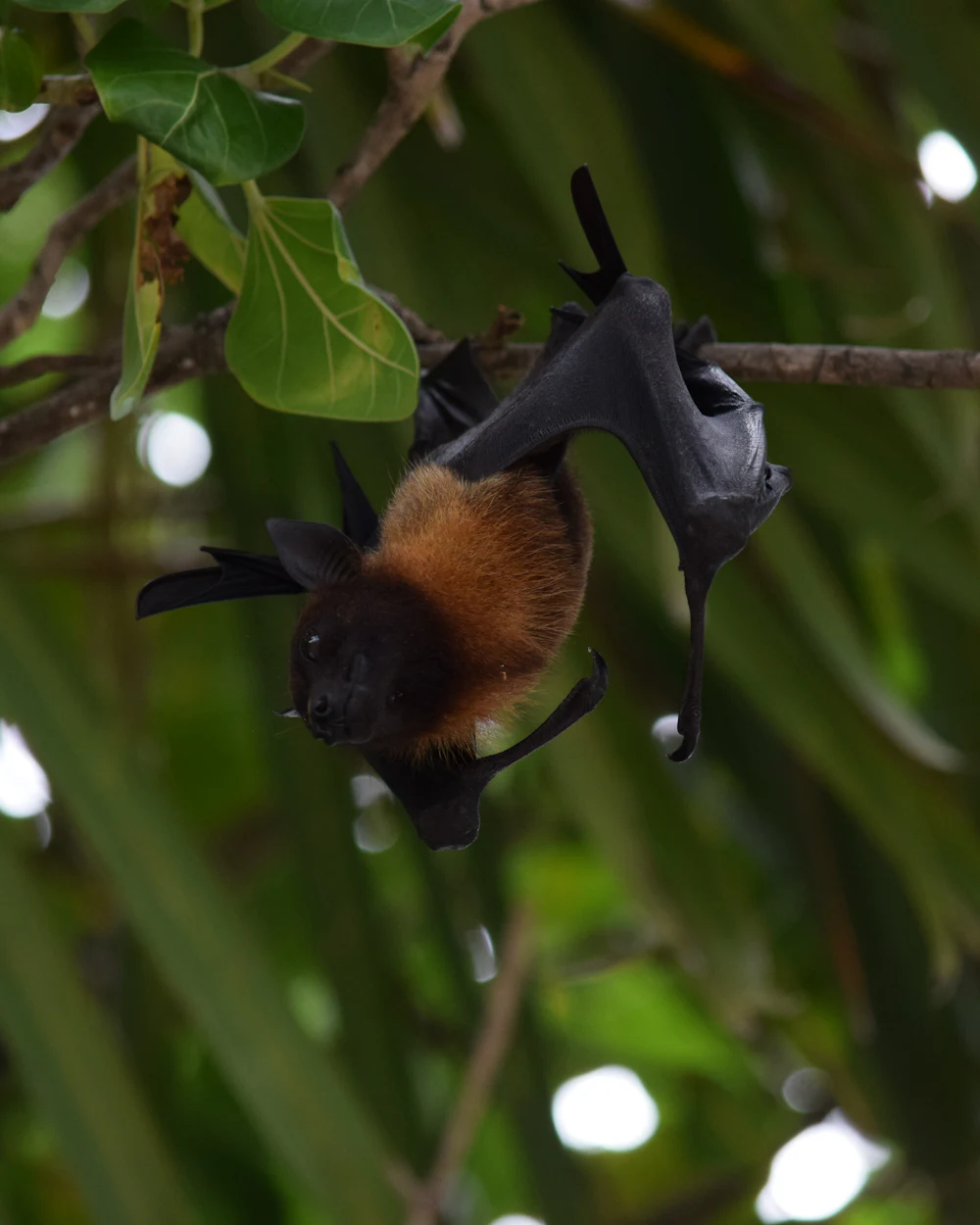
Bat Removal
Attic colonies & guano cleanup
View service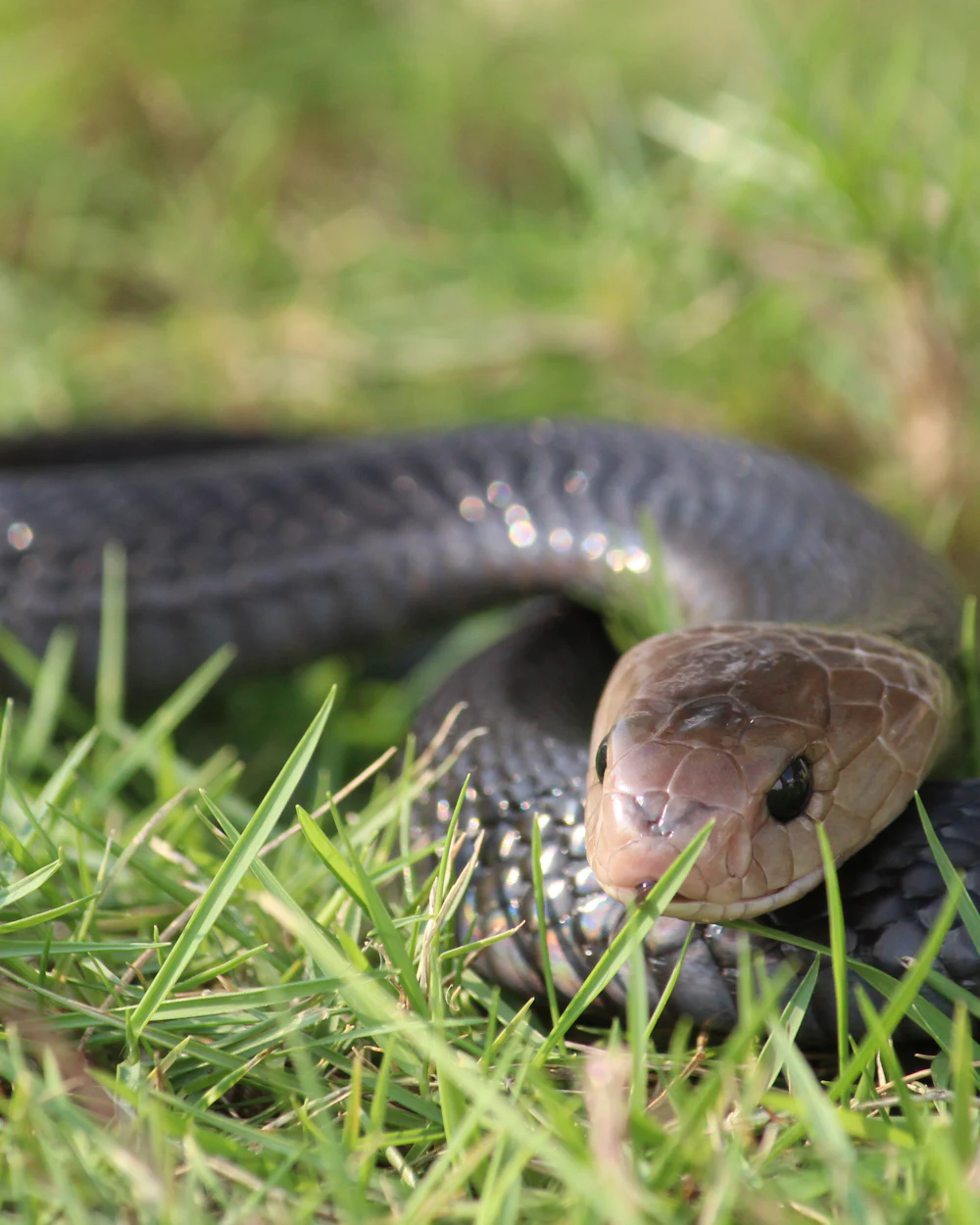
Snake Removal
Shoreline banks, landscaping & yards
View service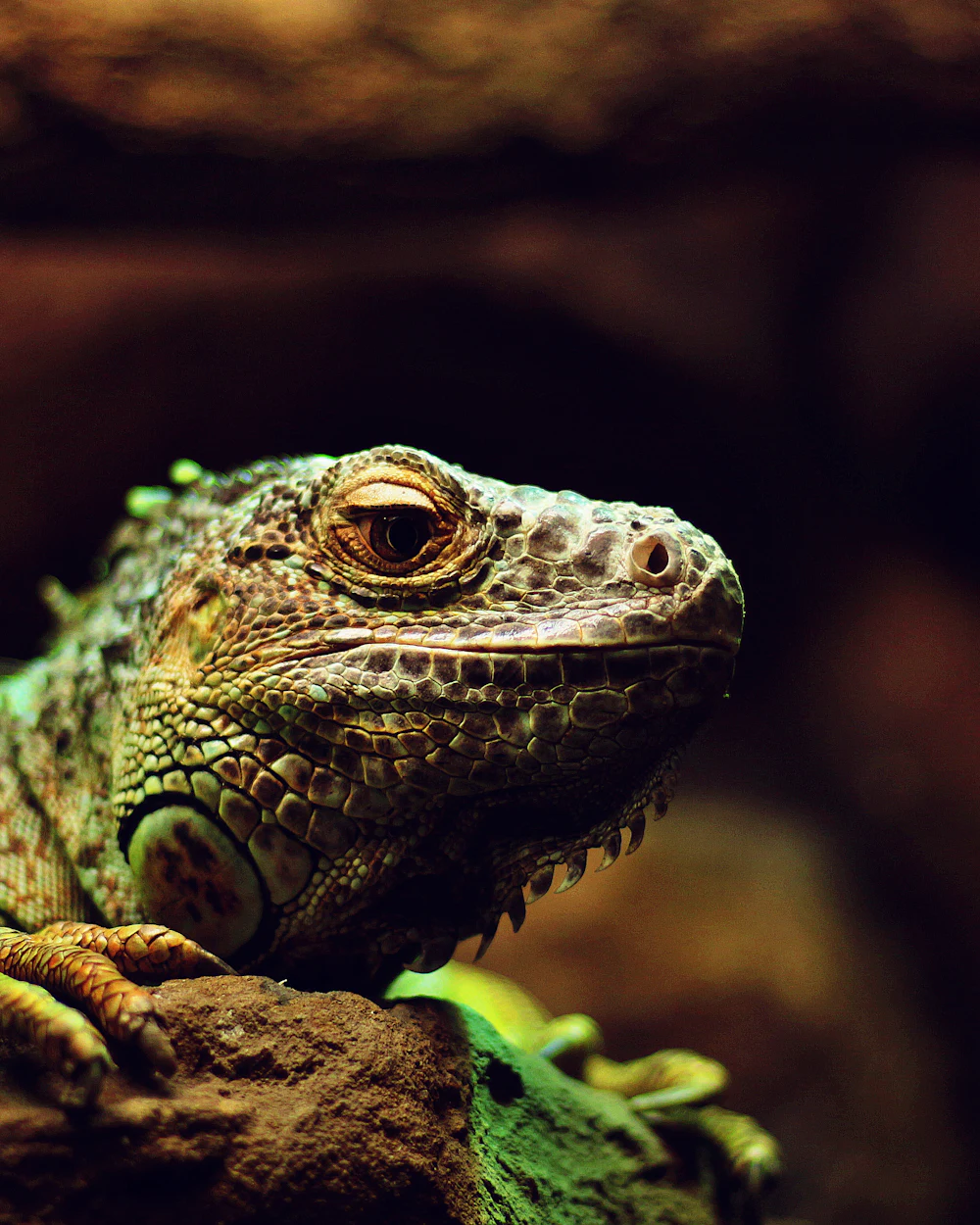
Iguana Removal
Seawall burrows & shoreline landscaping
View service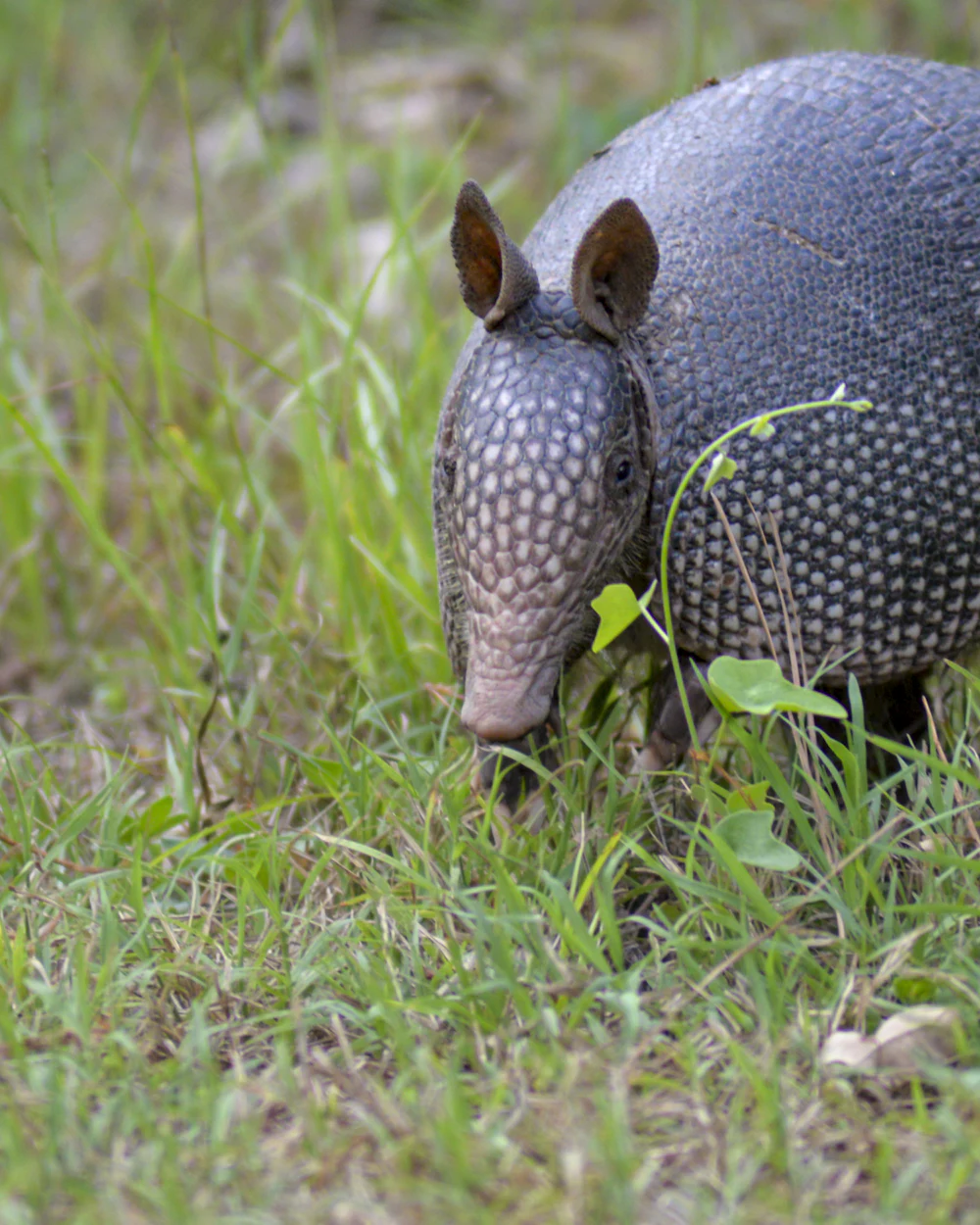
Armadillo Removal
Lawn damage & burrowing near the water
View service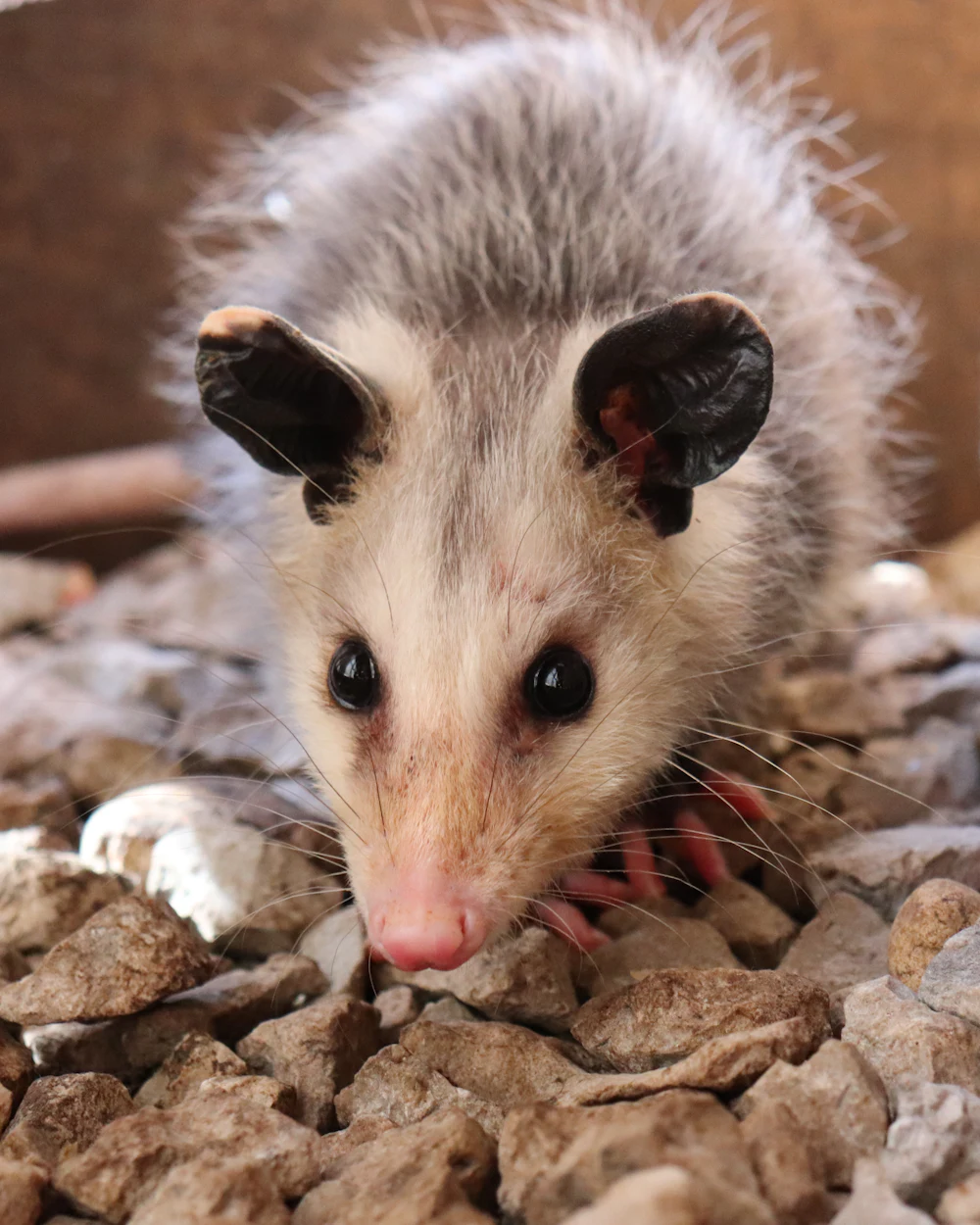
Opossum Removal
Crawlspaces, sheds & outdoor food
View service
Wildlife Exclusion
Whole-home defense & entry-point sealing
View service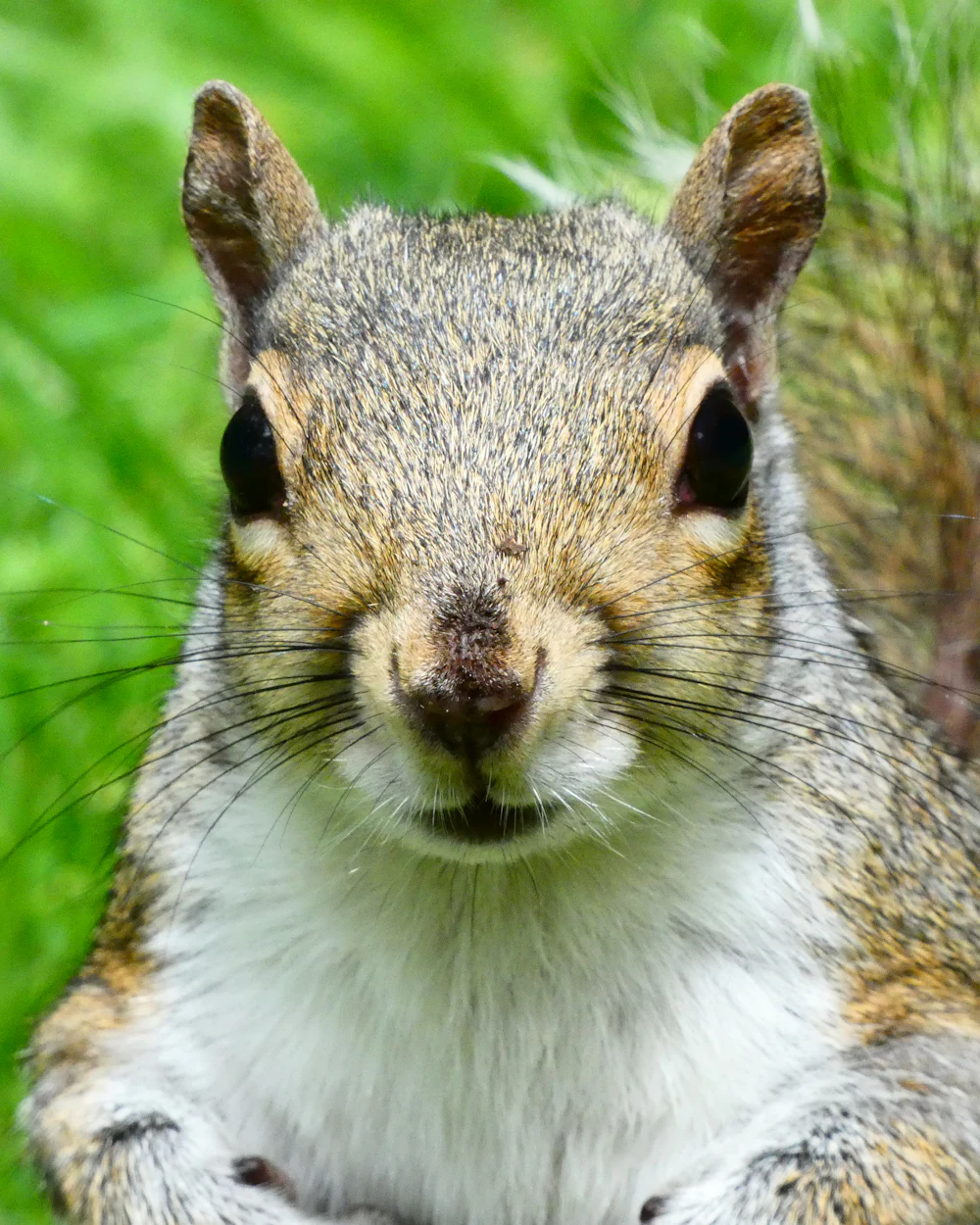
Squirrel Removal
Fascia and carport-seam entries on tight lots
View service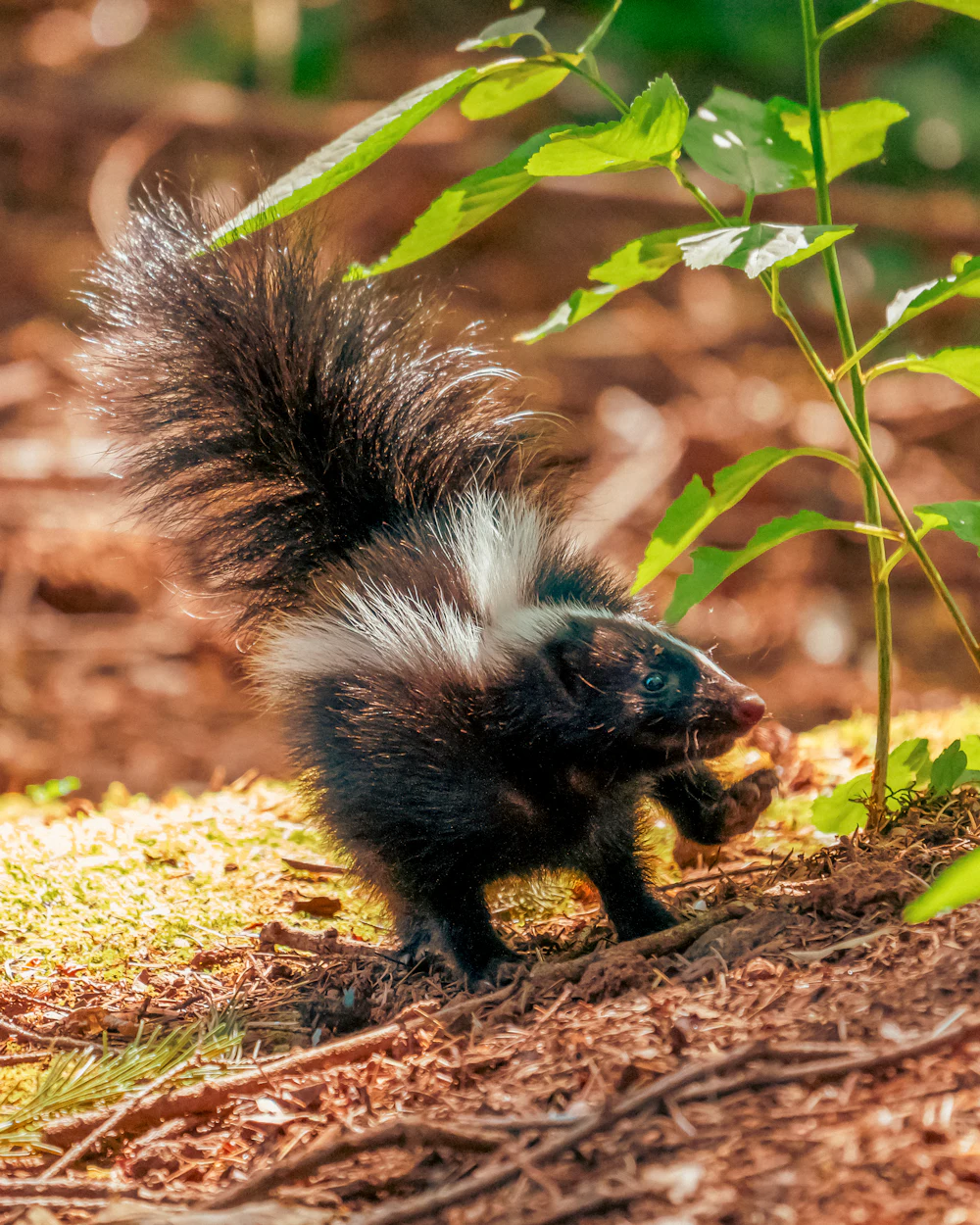
Skunk Removal
One den under a shed, three yards affected
View service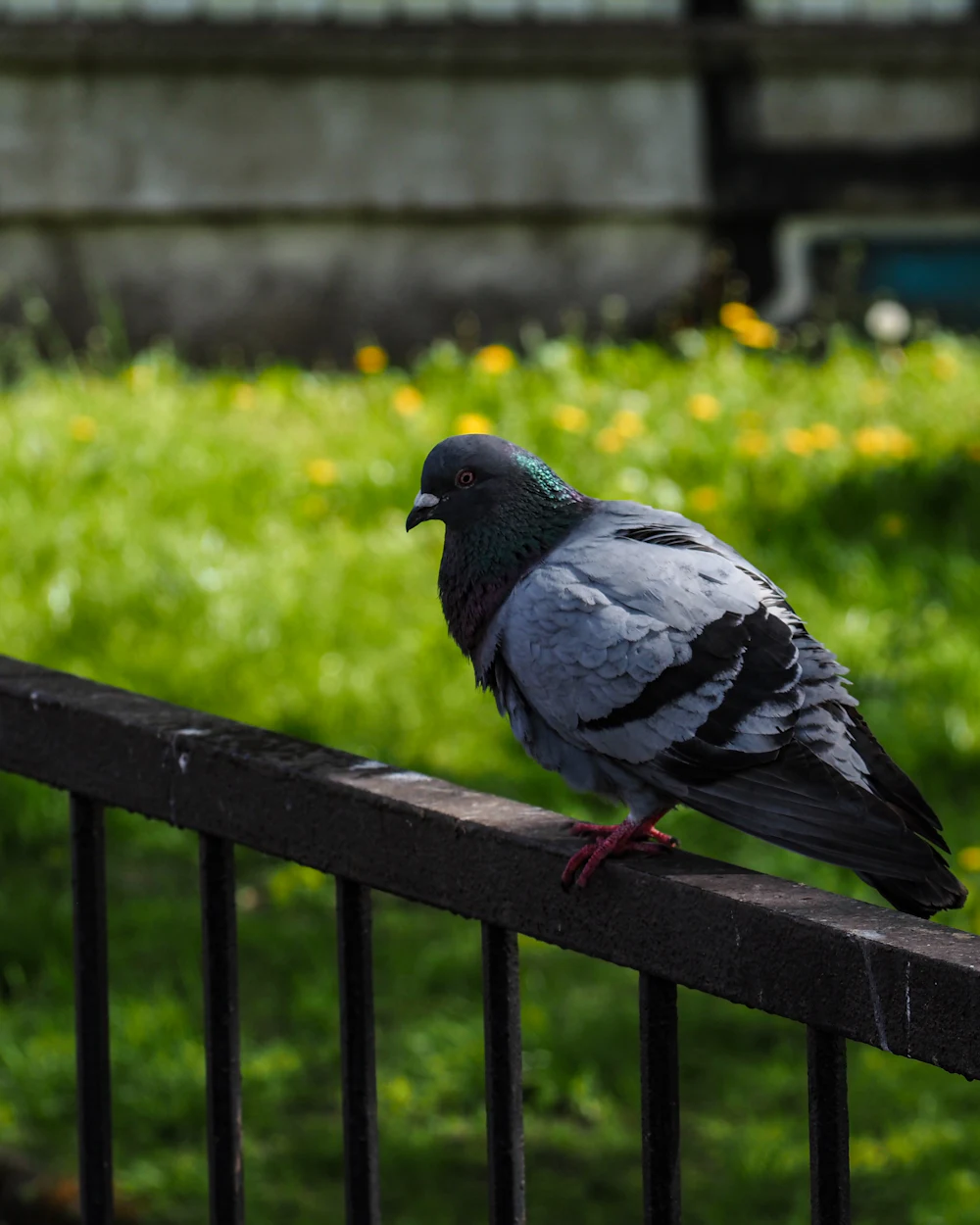
Bird & Pigeon Control
Vents reclaimed every season the cottage stays open
View service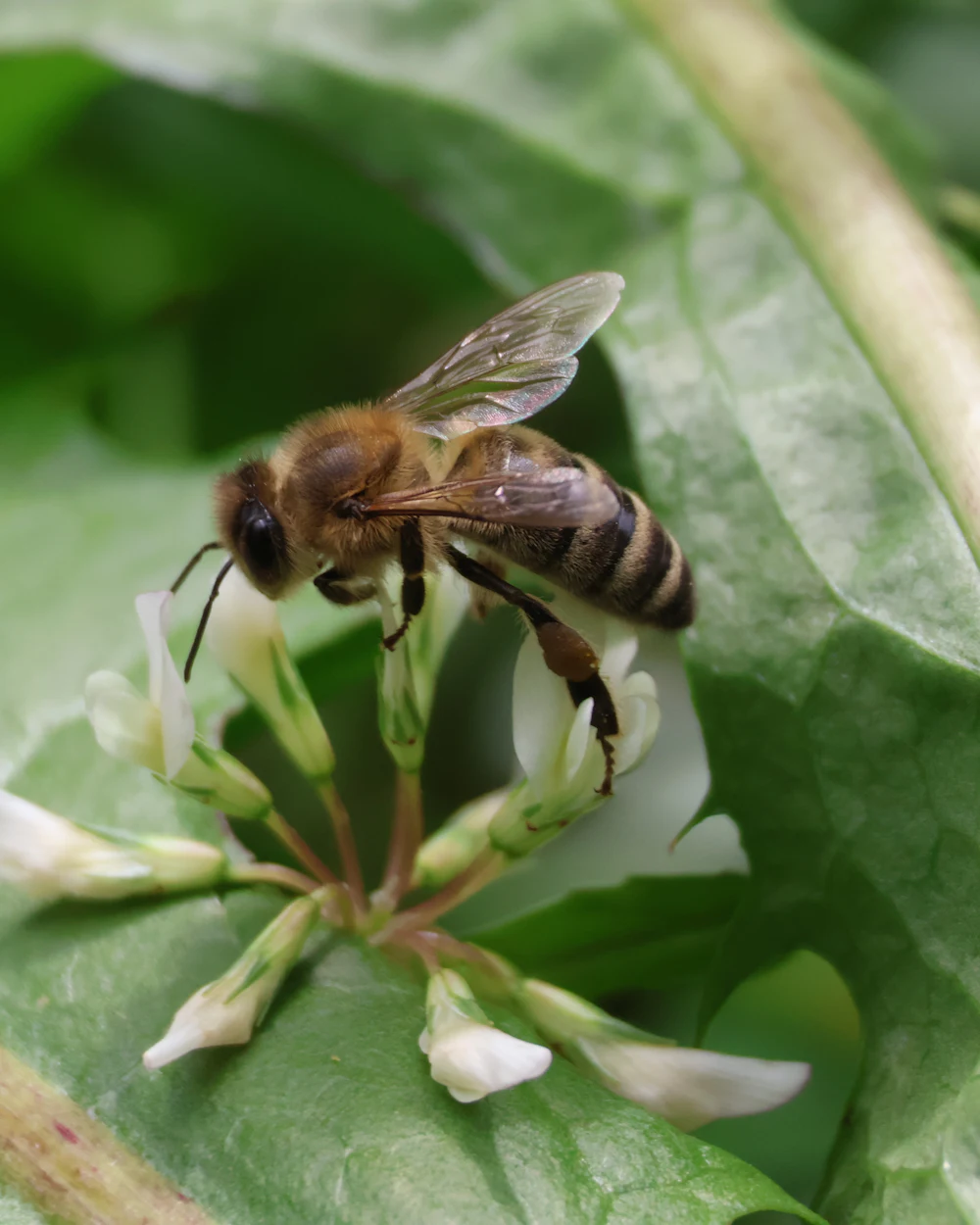
Bee & Wasp Removal
Humane bee & wasp removal
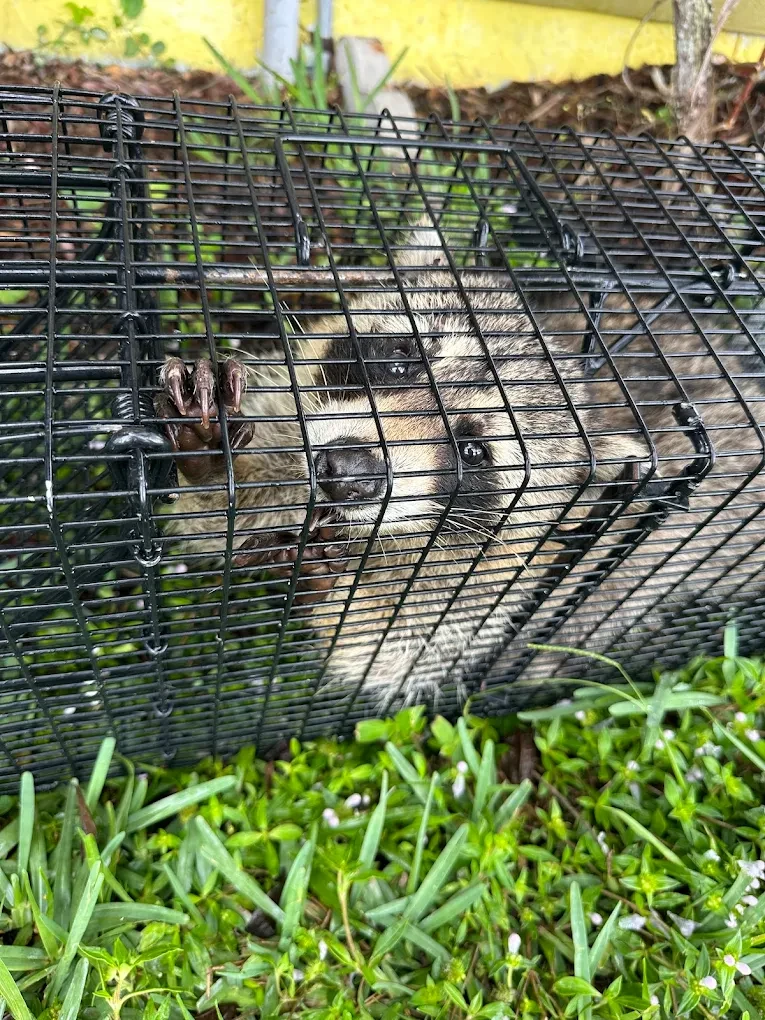
Dead Animal Removal
Humane dead animal removal

Animal Cleanup & Sanitization
Humane animal cleanup & sanitization
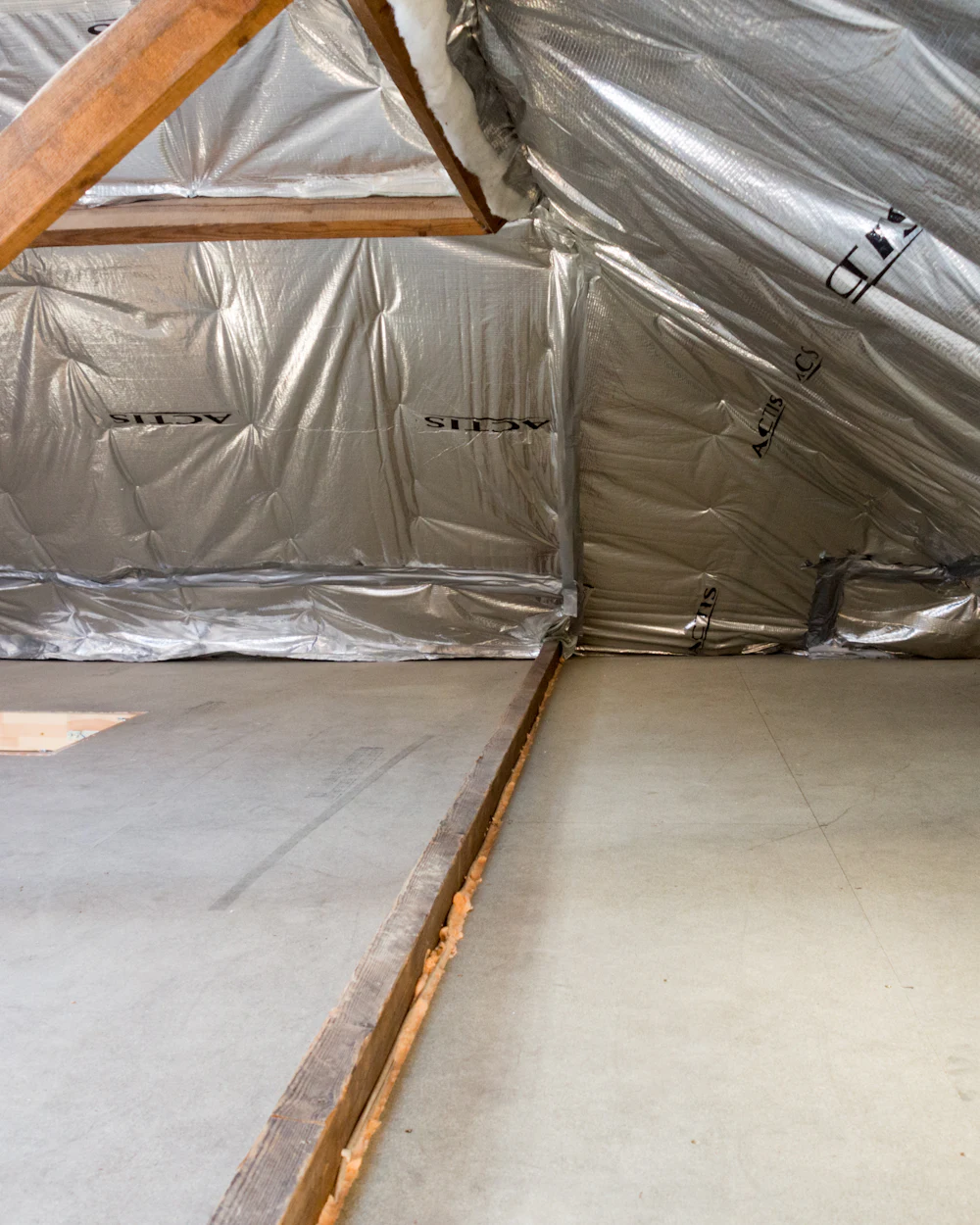
Attic & Crawlspace Remediation
Humane attic & crawlspace remediation
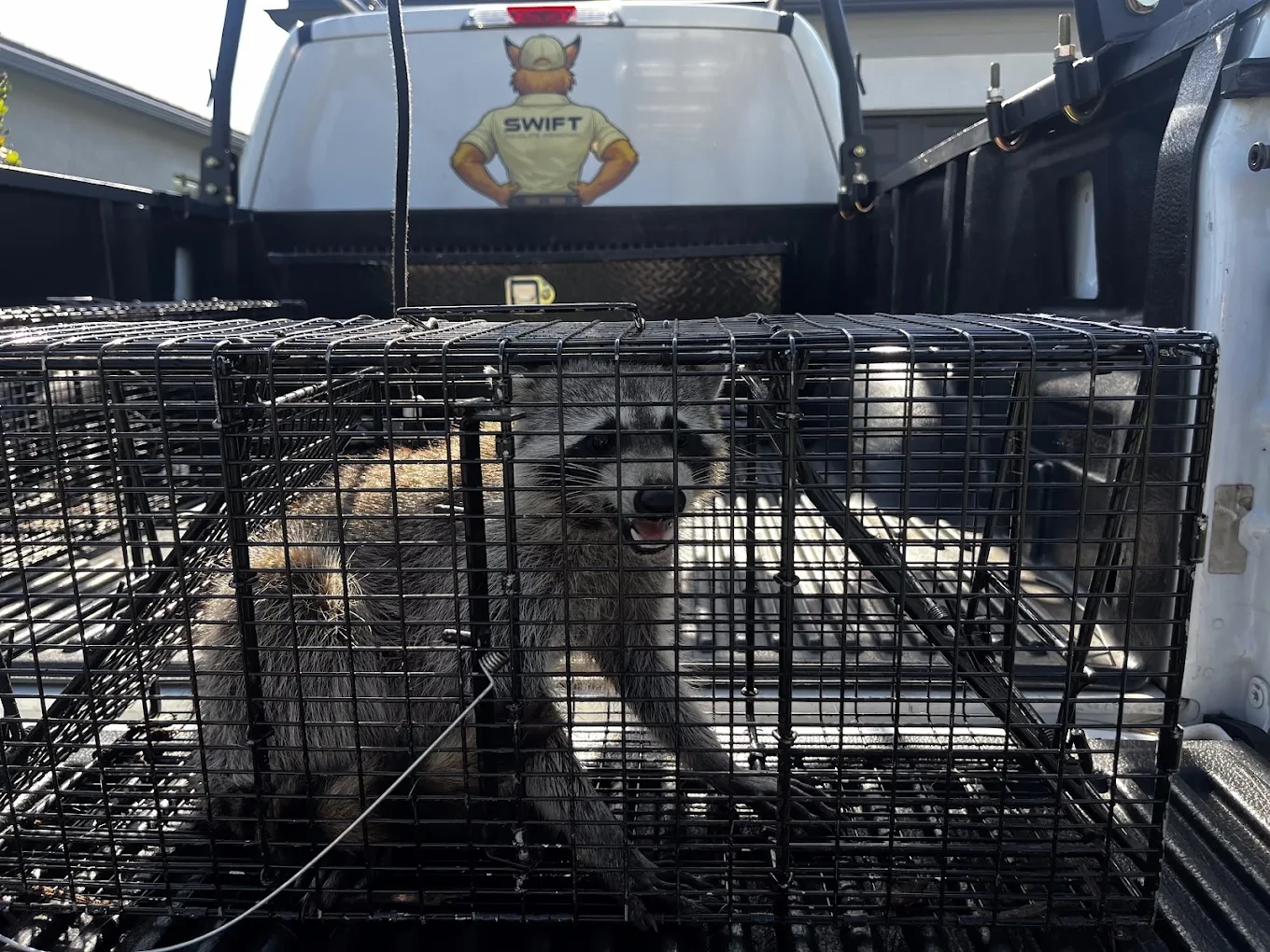
Emergency Wildlife Removal
Humane emergency wildlife removal
Why animals target Rio properties
Rio offers wildlife nearly everything it needs in a very small footprint. Understanding that pull is how we get ahead of the problem instead of just reacting to it.
-
Water on the doorstep
The Indian River Lagoon, its seawalls and shoreline give every animal a drink, a travel route and — for iguanas — soft banks to burrow into, all within steps of the home.
-
A mature tree canopy
Decades-old live oaks and street trees arch over the homes, handing roof rats and raccoons an elevated route straight onto the roofline.
-
Older, closely-spaced homes
Tight lots and aging construction mean low roofs, worn soffits and shared fence lines — den sites packed close together and easy to reach.
-
Food and shelter everywhere
Pet food, fruit, trash, irrigated beds and the shelter of crawlspaces and sheds keep wildlife fed and housed year-round in the warm coastal climate.

Rio seasonal wildlife calendar
Wildlife pressure on the lagoon shifts through the year. Knowing what’s coming each season lets a Rio homeowner get ahead of it — sealing before the push, not scrambling after.
Raccoon litters move into attics and overhead chirping means kits are present. Iguanas dig nesting burrows into seawalls and banks, and bats return ahead of maternity season.
Iguanas bask heavily on the seawalls, roof rats breed in the canopy, and afternoon rains soften turf for armadillo lawn damage. Snakes follow prey through the beds.
Cooling nights push rodents and raccoons toward warm attics, and storm season opens fresh roofline gaps on older waterfront roofs — the year’s highest risk of a new intrusion.
Rodents and raccoons press into attics and crawlspaces for warmth, and a hard cold snap can cold-stun iguanas off the seawalls onto docks and lawns.
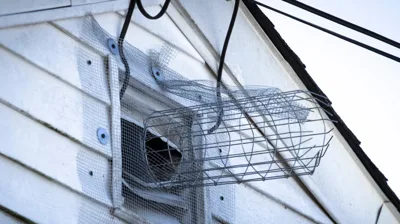 Steel & hardware cloth
Exclusion & prevention spotlight
Removal solves today’s problem; exclusion solves the next ten years. On a Rio waterfront home, sealing the roofline, soffits, crawlspace and seawall in steel is what keeps the lagoon’s wildlife from simply moving back in. It’s the heart of what we do.
Seal the roofline & soffits
We close soffit, fascia, ridge and vent gaps in galvanized steel — the routes raccoons, rats and bats use off the canopy to the attic.
Screen the crawlspace & foundation
Crawlspace vents, deck skirts and foundation gaps are screened in hardware cloth against opossums, snakes and rodents.
Pack the seawall & shoreline
Seawall voids and lagoon-bank burrows are packed and screened before iguanas and armadillos enlarge them.
Back it in writing
Every exclusion is documented and backed by our written re-entry guarantee — so the fix holds, and you have it in hand.
Remove, seal, verify — the waterfront home is closed for good, not just cleared for now.
Serving every Rio neighborhood
From the lagoon-front streets to the Dixie Highway corridor, we cover all of Rio with same-day local service and a free inspection. A real person answers, live, 24/7.
-
Harbor Estates
Waterfront and canal-adjacent homes where seawall iguanas and attic raccoons top the call list.
-
Indian River Drive
The lagoon-front stretch — shoreline snakes, basking iguanas and rodents working the canopy onto older roofs.
-
Dixie Highway corridor
The tighter-packed homes and small lots inland of the water, where roof rats and opossums move lot to lot.
-
The Rio core
Older, closely-spaced cottages near the water where aging soffits and low roofs make attic intrusions common.
Rio homeowner resource center
The best-protected Rio homes belong to owners who know what to watch for. Start here — the local homeowner education competitors leave out.
Read the early signs
Scratching overhead at night, iguana droppings on the seawall or dock, cone-shaped holes in the lawn, a shed snake skin, gnawed soffits — the first tells that turn a small fix into a big one if missed.
Understand the behavior
Coastal wildlife works a route between water, food and shelter and returns to a proven spot night after night. The animal that found your attic will keep coming back until the way in is sealed.
Know the humane approach
Mothers and young stay together and are reunited, native snakes and protected bats are handled by law, and we exclude and seal rather than poison — the right approach around family, pets and the water.
When to call a pro
If you hear activity overhead, see repeat sightings, or find droppings, burrows or damage, a free inspection confirms what it is and pinpoints the openings before the damage grows.
What Rio & Treasure Coast homeowners say.
"⭐️⭐️⭐️⭐️⭐️ 10 Stars. Excellent service! Swift safely rescued Ursula the Raccoon and her babies. Choose Swift… you won't be disappointed!"
"If you need wildlife removed the right way, call Issac! I was terrified of the raccoons sneaking around my place at night, getting into our garbage every night. Until we met Issac and his wife! They are professional, on time, and get straight to the point. Issac explained everything clearly and handled the problem fast with no stress."
"Absolutely outstanding service! The team was professional, quick, and incredibly knowledgeable. They safely removed raccoons from my property and made sure everything was secure afterward. I'm beyond impressed with their work!"
"Swift Wildlife Removal is a team of good people, very professional with removal of creatures without harming animals. They helped with raccoons in a rental property and did an excellent job! Highly recommend!"
"Swift Wildlife Removal is the company to call if you have a rat infestation. After calling several places, they were the only ones who could come the same day. They came within the expected time and took care of the problem."
"Listen… I don't scare easy, but when I tell you I saw a critter and immediately started questioning my entire life and safety… I mean it. In full panic mode, I called Swift Wildlife Removal, fully expecting to be put on hold while I fought for my life. But nope, they showed up SO fast it was like they teleported. 10/10 recommend."
Rio wildlife removal — FAQ.
Quick answers — or call us 24/7 for anything else.
Do you serve all of Rio? +
Why does my Rio waterfront home get so much wildlife? +
My home is older — is that why animals keep getting in? +
Are iguanas really a problem along the lagoon here? +
Do you use poison? +
How much does it cost? +
How fast can you get to my Rio home? +
Protect your Rio waterfront home.
A free, on-site inspection of your whole property — the roofline, attic, soffits, crawlspace, seawall and shoreline — with a written plan to remove what’s there and seal it out for good. A real person answers, 24/7.
- Free, same-day on-site inspection
- Every waterfront zone checked — roof, attic, seawall, crawlspace
- Written estimate & exclusion plan
- Humane removal, backed by a written guarantee