
The riverbank lane
Origin
St. Sebastian River
Route
Water edge & bank vegetation
Arrival
Riverside yards & docks
Snakes · raccoons · iguanas Peak: Warm months
Roseland is a quiet riverside community shaded by oak and cabbage-palm hammock along the St. Sebastian River, wrapped by the St. Sebastian River Preserve and the Indian River Lagoon. All that water and cover runs right up to the house — so wildlife travels into these yards along predictable corridors. This is a wildlife-intelligence center for defending a home that borders natural habitat.

A living wildlife corridor
Oak & cabbage-palm cover
Water-edge prey & travel
Cover to the house
What makes Roseland special is exactly what brings wildlife to the door. The community sits in a band of oak and cabbage-palm hammock along the St. Sebastian River, with the St. Sebastian River Preserve on one side and the Indian River Lagoon nearby. That is some of the richest wildlife habitat on the Treasure Coast — and Roseland’s older riverfront and woodland homes sit right inside it, on generous lots where cover runs unbroken from the hammock to the house.
For a homeowner that means wildlife pressure is a habitat question, not just a building one. Snakes follow frogs and rodents out of the leaf litter, raccoons work the river and canopy after dark, iguanas bask along the water, and opossums move through the understory between lots. Defending a Roseland home starts with reading the habitat around it — where the cover meets the structure, and where the animals cross.
The St. Sebastian River and the Indian River Lagoon edge the community, holding frogs, fish and rodents that draw snakes, raccoons and iguanas to the water’s edge.
Dense oak and cabbage-palm hammock, palm debris and leaf litter give wildlife continuous cover and harborage right against the house.
The preserve and hammock form an unbroken wildlife corridor; animals move along it between the wild land and the neighborhood every night.
Older riverfront and woodland homes on generous, wooded lots present soffits, sheds, screen enclosures and shaded landscaping as ready shelter.
Animals reach a Roseland home along a handful of habitat corridors — each a route from a wild origin, through cover, to a point of arrival on the property. Read the lanes below the way a naturalist would: origin, route, arrival. Knowing them is how you get ahead of the animal instead of chasing it.
Every lane follows the same logic — origin to route to arrival. Break the route (trim the canopy bridge, clear the litter, seal the arrival point) and the corridor stops delivering wildlife to your door.
Wildlife pressure on a Roseland lot changes as you move inland from the river. Picture your property in profile — from the water’s edge, through the vegetation buffer and hammock, across the yard, to the structure. Each band carries its own risk and its own drivers.
The river and lagoon shoreline is the busiest band — frogs and fish draw snakes, raccoons and basking iguanas to the bank.
Bank plants, palm debris and leaf litter give continuous cover; this is where harborage and travel routes concentrate.
Oak and cabbage-palm limbs bridge to the roof and deliver climbers — raccoons, roof rats and rat snakes — to the roofline.
Mulch beds, low shrubs and outbuildings hold snakes and rodents and stage animals a short move from the house.
Soffits, vents, screen enclosures and foundation gaps are the arrival points — moderate on their own, decisive once cover reaches them.
The closer unbroken cover and water sit to the structure, the higher the risk climbs. A buffer between the habitat and the house is the single most effective thing a Roseland homeowner can create.
On a riverside lot the property edge is the front line. These are the features our inspectors read first — the more of them that describe your home, the more open the edge is to the wildlife moving along the corridors.
Oak or cabbage-palm limbs touching the roofline are a direct highway for raccoons, rats and rat snakes onto the structure.
Leaf litter, palm debris and dense foundation plantings give snakes and rodents harborage right against the walls.
A water edge on the lot means basking iguanas, shoreline snakes and raccoons foraging the bank a few steps from the yard.
Torn screen, worn tracks and collected litter turn a pool cage or lanai into a recurring entry point and sheltered corner.
Older riverfront homes present gaps at the soffits, fascia and gable vents that climbing wildlife reads as an open door.
Detached structures on wooded lots den opossums, rats and snakes — a sheltered base tucked into the cover by the house.
A free wildlife assessment turns this quick read into a photo-documented map of your exact edge — where cover meets structure, and where to open a buffer first.
Habitat pressure rises and falls through the year. This calendar reads the season for Roseland’s leading species at a glance — deeper cells mean heavier activity — so you can work the property a step ahead of each one.
Warm months drive the reptiles and diggers; the cool season pushes rodents toward warm structures. Snake sightings even spike on mild winter middays, when they bask on sun-warmed driveways and docks before slipping back into cover.
Eight wildlife services for Roseland, each on its own local page with the habitat context, the behavior profile and the exclusion planning that matter for that animal on a riverside lot. Choose the one you’re dealing with.
Humane bee & wasp removal
Humane dead animal removal
Humane animal cleanup & sanitization
Humane attic & crawlspace remediation
Humane emergency wildlife removal
On a habitat-edge home, wildlife enters where cover meets an opening. Walk your Roseland home in four zones and check the points below — it’s the same discovery route our inspectors run.
You can’t move the preserve, but you can change how the habitat meets your house. These are the four levers that matter most on a Roseland lot — worked together, they open a buffer wildlife won’t cross casually.
Living beside a preserve doesn’t mean living with wildlife in the walls. Habitat-friendly exclusion keeps the animals in the hammock where they belong and out of the structure — sealing the home without poisoning the system it sits in.
We close soffits, fascia, vents and gaps with galvanized steel and hardware cloth — materials wildlife can’t chew or pry, so the seal outlasts the cover around it.
We open a buffer where cover meets the structure — trimming the canopy bridge and clearing the litter lane — so the exclusion isn’t fighting the habitat at every gap.
Mothers stay with their young, native snakes and bats are handled to FWC rules, and we exclude rather than poison — right for the household and the river system.
Every exclusion is documented and backed by our written re-entry guarantee — protection you can point to at resale on a riverfront home.
Every exclusion we install is backed by our written re-entry guarantee.
From the first call to the follow-up, the work runs as one current — read the habitat, remove the animal, seal the home, keep it clear. Here’s the path a Roseland project follows.
We walk the property from the water’s edge inward, mapping the corridors, the cover and the exact points where wildlife is arriving.
We remove the animals already inside — reuniting any young with the mother, identifying snakes correctly, following FWC rules throughout.
We seal the arrival points with steel and open a buffer where the habitat meets the house, closing the route as well as the gap.
We document the work, set a monitoring pass for a habitat-edge home, and back the exclusion with a written re-entry guarantee.
Defending a home that borders a river preserve takes a team that understands the habitat, not just the building. Roseland residents choose Swift because we read the corridors, respect the system, and stand behind the exclusion in writing.
The riverbank, the hammock canopy, the preserve understory — we know how wildlife crosses from wild land to a Roseland home, because we read that edge every week.
On this river, telling a harmless water snake from a cottonmouth matters. We identify before we act, so nothing beneficial is destroyed and nothing dangerous is guessed at.
Mothers stay with their young, native snakes and bats are handled to FWC rules, and we exclude rather than poison — right for the household and the river.
We remove, seal the arrival points with steel, clean what was left behind, and back the exclusion with a written re-entry guarantee — one accountable team.
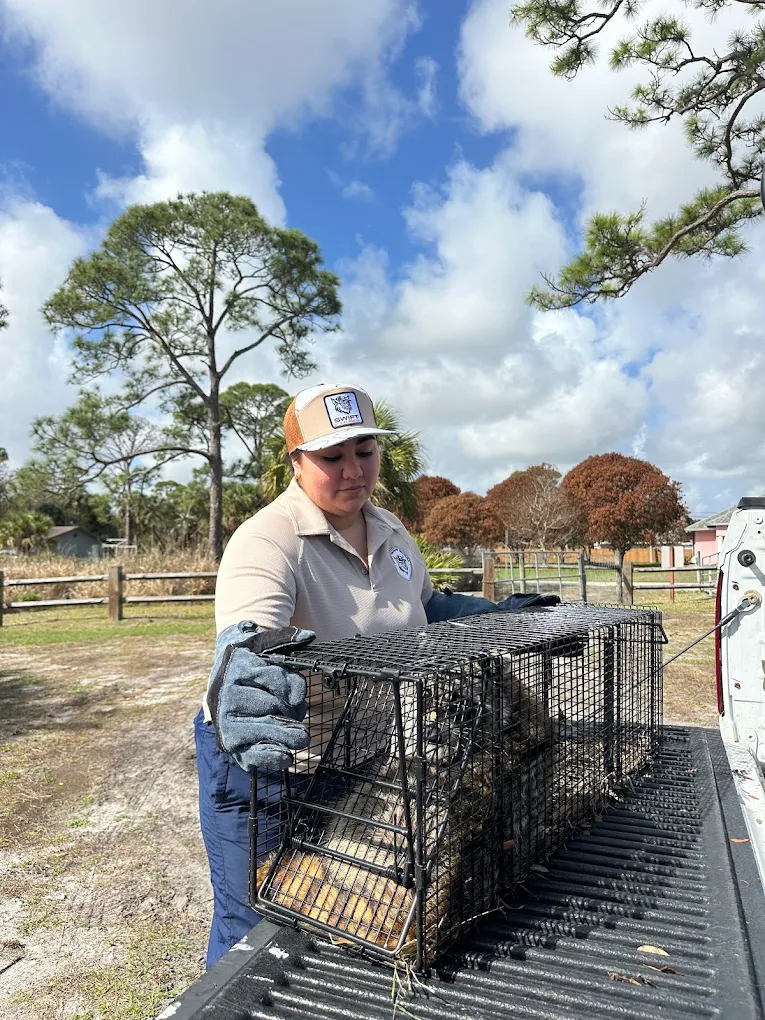
We defend a Roseland home the way we’d defend our own place on the river — read the habitat, protect the household, and keep the wild where it belongs.
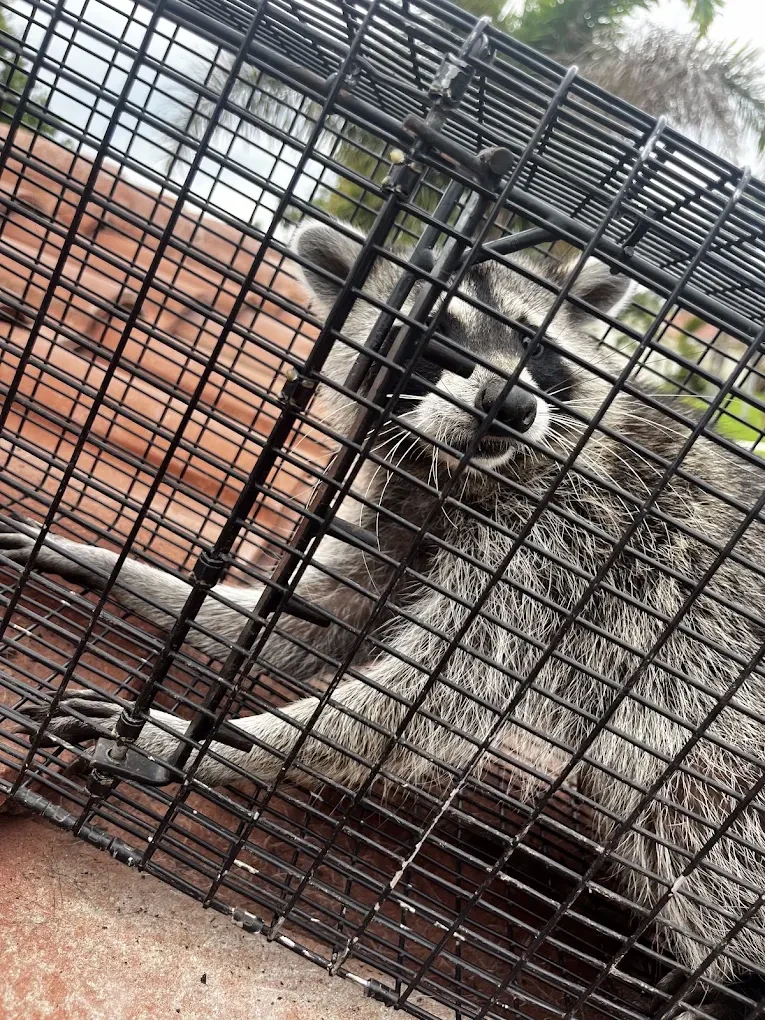
⭐️⭐️⭐️⭐️⭐️ 10 Stars. Excellent service! Swift safely rescued Ursula the Raccoon and her babies. Choose Swift… you won't be disappointed!
"If you need wildlife removed the right way, call Issac! I was terrified of the raccoons sneaking around my place at night, getting into our garbage every night. Until we met Issac and his wife! They are professional, on time, and get straight to the point. Issac explained everything clearly and handled the problem fast with no stress."
"Absolutely outstanding service! The team was professional, quick, and incredibly knowledgeable. They safely removed raccoons from my property and made sure everything was secure afterward. I'm beyond impressed with their work!"
"Swift Wildlife Removal is a team of good people, very professional with removal of creatures without harming animals. They helped with raccoons in a rental property and did an excellent job! Highly recommend!"
Quick answers — or call us 24/7 for anything else.
Habitat-conscious wildlife defense across Roseland — the quiet riverside community along the St. Sebastian River near Sebastian, from the Sebastian River area and Bay Street to the US-1 corridor.
A no-obligation, habitat-edge survey of your Roseland property — the riverbank and frontage, the hammock canopy, the yard and outbuildings, and the roofline, vents and foundation — with a photo-documented corridor map and a written protection plan. A real person answers, 24/7.